


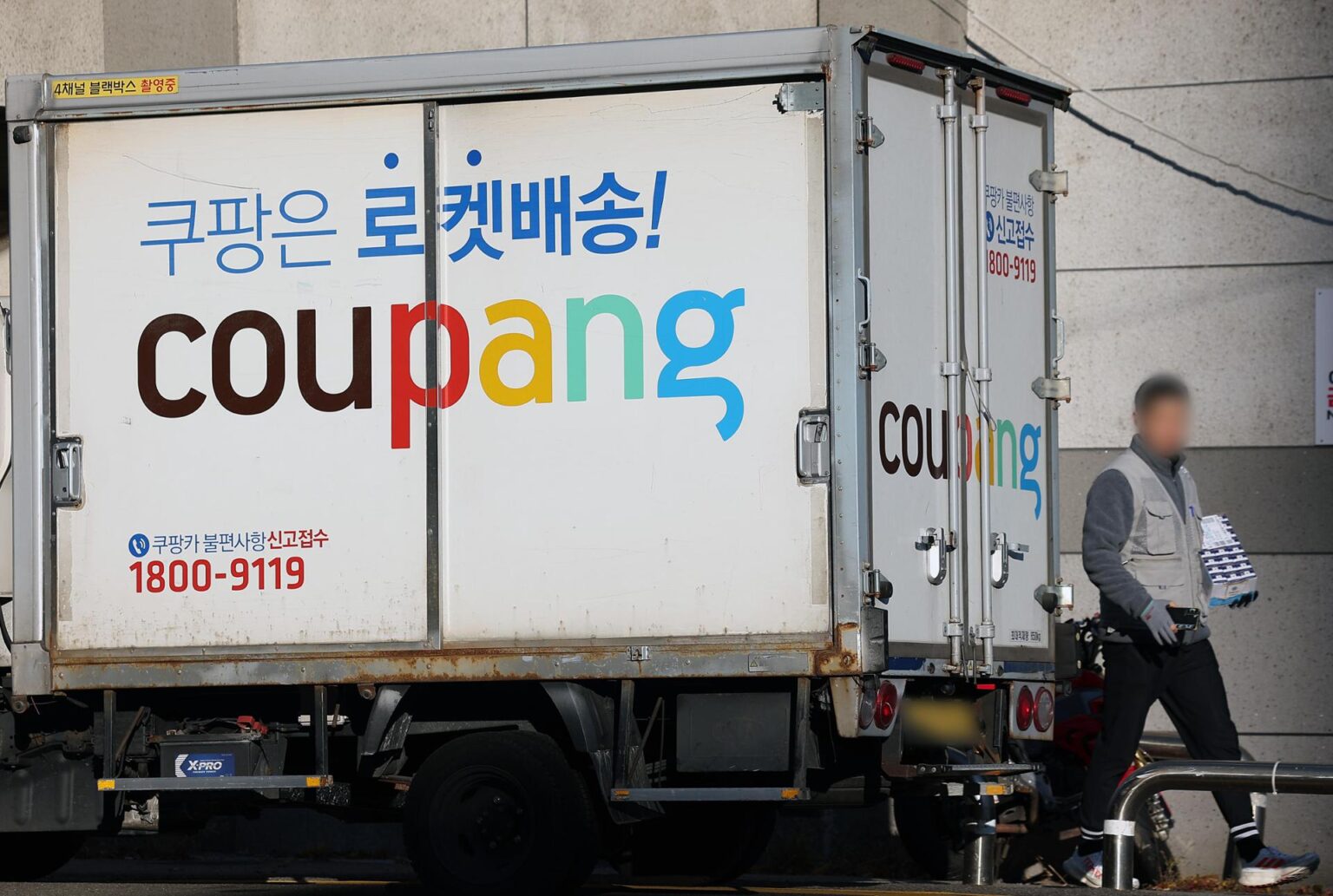
The shock that swept through South Korea after news of a massive Coupang data breach was immediate and widespread. For a country known for some of the world’s strictest data-privacy rules, the revelation that personal information from tens of millions of user accounts may have been exposed felt like a rupture. Coupang – often described as South Korea’s closest equivalent to Amazon – suddenly found itself at the center of a national debate. And from our perspective at YourDailyAnalysis, the incident marks a turning point in how the country will think about digital trust and corporate responsibility.
What began as a seemingly limited issue quickly escalated. Coupang initially notified authorities that unauthorized access had been detected on roughly 4,500 customer accounts. But later forensic checks uncovered a dramatically larger reality: as many as 33.7 million accounts may have been exposed – over half the population of South Korea. Such a discrepancy not only stunned the public but raised immediate doubts about the company’s ability to assess and contain breaches in real time. At YourDailyAnalysis, we view such delays as clear evidence that internal monitoring and anomaly-detection systems remain insufficient for the scale at which Coupang operates.
The company insists the leaked information was limited to names, email addresses, phone numbers, delivery details and portions of order history, while payment data and login credentials remain intact and secure. Technically, this is the best possible version of a bad scenario. But a data set containing accurate contact information paired with behavioral patterns is more than enough for sophisticated fraud attempts – especially in a country where phishing scams are already pervasive. Consumers may not need to take immediate action, but they will almost certainly face an uptick in impersonation attempts masquerading as official Coupang outreach.
A particularly sensitive element is the emerging suspicion of insider involvement. Local reports suggest a former employee, now based overseas, may have retained or misused privileged access. Should this prove accurate, it would highlight a weakness that many Korean firms have quietly grappled with: the vulnerability of access-control processes during employee offboarding. As we have repeatedly emphasized at YourDailyAnalysis, cybersecurity failures often arise not from cutting-edge attacks, but from simple procedural gaps – and few are as costly as an orphaned authentication key.
While Coupang urges customers to remain vigilant, regulators are assessing whether the company violated national data-protection standards. South Korea has demonstrated it will not hesitate to impose significant penalties: SK Telecom was fined nearly $100 million earlier this year for a breach affecting over 20 million users. Public sentiment suggests expectations for a similar – if not harsher – response in this case. Major newspapers, including Chosun Ilbo and Dong-A Ilbo, have called the incident “the largest personal-data leak in Korean history” and questioned how such a breach could remain undetected for months, implying that Coupang’s internal protections “barely functioned.”
From our analysis at YourDailyAnalysis, it is clear this is more than a single corporate failure – it signals a structural vulnerability across South Korea’s digital ecosystem. Regulations alone cannot guarantee safety if companies lack continuous monitoring, real-time threat detection, and culture-level commitment to cyber hygiene. The fallout for Coupang will likely extend beyond fines: erosion of user trust, heightened scrutiny from investors and a potential shift in how consumers choose platforms – not by speed of delivery but by perceived security.
For users, prudent digital hygiene is essential: verify messages through official channels, ignore unsolicited links, safeguard verification codes and monitor accounts for unusual activity. For Coupang, the path forward requires a full audit of access management, transparent reporting, and a public blueprint outlining how the company will prevent similar breaches. And for regulators, this moment underscores the need to move from reactive enforcement to proactive supervision through scheduled audits and stricter mandatory standards for companies handling sensitive data at national scale.
Ultimately, this breach is a reminder that in a hyperconnected society, trust is both an asset and a liability – fragile, valuable and easily damaged. And that is why we at Your Daily Analysis will continue to track how South Korea’s largest digital players respond to a crisis that has exposed not only their vulnerabilities, but the expectations of a nation that no longer tolerates avoidable failures in data protection.