


Crude oil fell more than 7% on Monday, May 26, after Trump posted that Iran talks were going “nicely” and called off imminent strikes to allow more negotiations. WTI settled near $90 per barrel. Brent fell to around $97 before recovering to $97.76 on Tuesday morning as fresh U.S. strikes on Iranian targets were confirmed by U.S. Central Command. The market moved violently in both directions within 24 hours. That kind of intraday range is not price discovery. It is geopolitical binary trading. YourDailyAnalysis breaks down what the week’s moves actually show, because the 7% single-day drop in WTI is one of the largest outside an actual war or ceasefire event this decade. Monday’s 7% drop was driven by a single social media post and the cancellation of an imminent strike. Not by any signed agreement, any formal reopening of the Strait of Hormuz, or any verified shipment of crude through the waterway. Tuesday’s partial recovery came on news of fresh U.S. strikes, which re-introduced the war risk premium. Brent is still down more than 5% for the week even after Tuesday’s bounce – meaning the market is net more optimistic about a deal than it was seven days ago, but not dramatically so.
Position the move against the structural supply context. The pre-war IEA baseline is the key reference that most coverage glosses over. WTI was trading below $65 in February 2026, before the war began on February 28. The current $90-$96 range still implies a $25 to $30 war premium above the pre-conflict equilibrium. The IEA’s May 2026 report puts cumulative supply losses since the Hormuz shutdown above one billion barrels, with more than 14 million barrels per day currently shut in across Gulf producers. That is not disruption that resolves overnight. Logistics, insurance underwriting, tanker repositioning, and port processing mean a physical reopening takes weeks to flow through to supply availability. Oil prices will move on the political signal long before the barrels arrive. That creates a window where prices overshoot the diplomatic optimism.
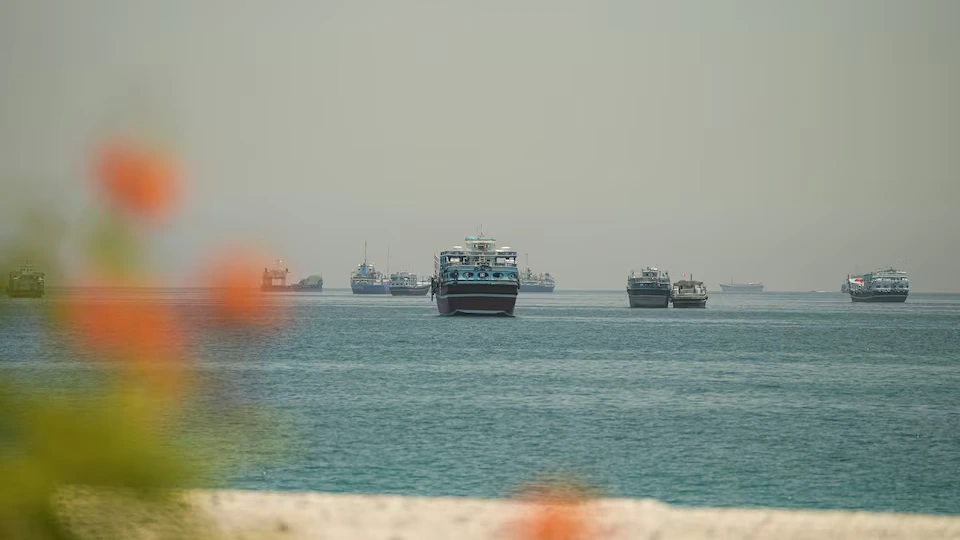
There is a counter-argument from the supply side worth stating carefully. YourDailyAnalysis weighs the pre-war structural surplus as the most underappreciated element in the oil price debate. The IEA’s pre-war forecast had global supply running at a 3.7-million-barrel-per-day surplus for 2026, driven by OPEC+ output restoration and non-OPEC production growth. That underlying glut did not evaporate – it was simply buried under the Hormuz supply shock. Goldman Sachs had already raised its late-2026 Brent forecast to $90 per barrel from $80 earlier, on the thesis that the logistics recovery is slow. At current prices, the market is not far from that post-deal equilibrium already – which means a signed agreement announced tomorrow would trigger a further sell-off from $96, not a rally. Charu Chanana, chief investment strategist at Saxo, framed the test correctly: “The real test is not the headline deal, but whether tankers can move freely, insurance premiums can fall, and energy flows can normalize.” Shipping insurance premiums through Hormuz have hit historic highs during the conflict and will not normalize the day a deal is announced – underwriters require demonstrated safe passage over multiple weeks before pricing retreats.
That lag keeps the real economic impact of any deal delayed by at least four to six weeks after the political announcement. YourDailyAnalysis flags shipping insurance premiums as the single most useful real-time indicator of whether a deal is translating into actual supply normalization.
For energy traders, the practical operating zone is approximately $85 to $105 on Brent, with the lower bound tested if deal language firms up and the upper bound revisited if U.S. strikes escalate or Iran’s uranium redline triggers a breakdown. The next session to watch is the first market day after any formal Hormuz reopening announcement – that is when the real supply-demand math, rather than the geopolitical binary, will drive the price. Until then, the moves are headlines, not fundamentals. Your Daily Analysis maps the three-step sequence markets need to see before the war premium fully exits prices: a signed agreement, confirmed tanker transits through Hormuz with normal insurance coverage, and at least two weeks of uninterrupted flow data. Step one might be days away. Steps two and three take weeks.