

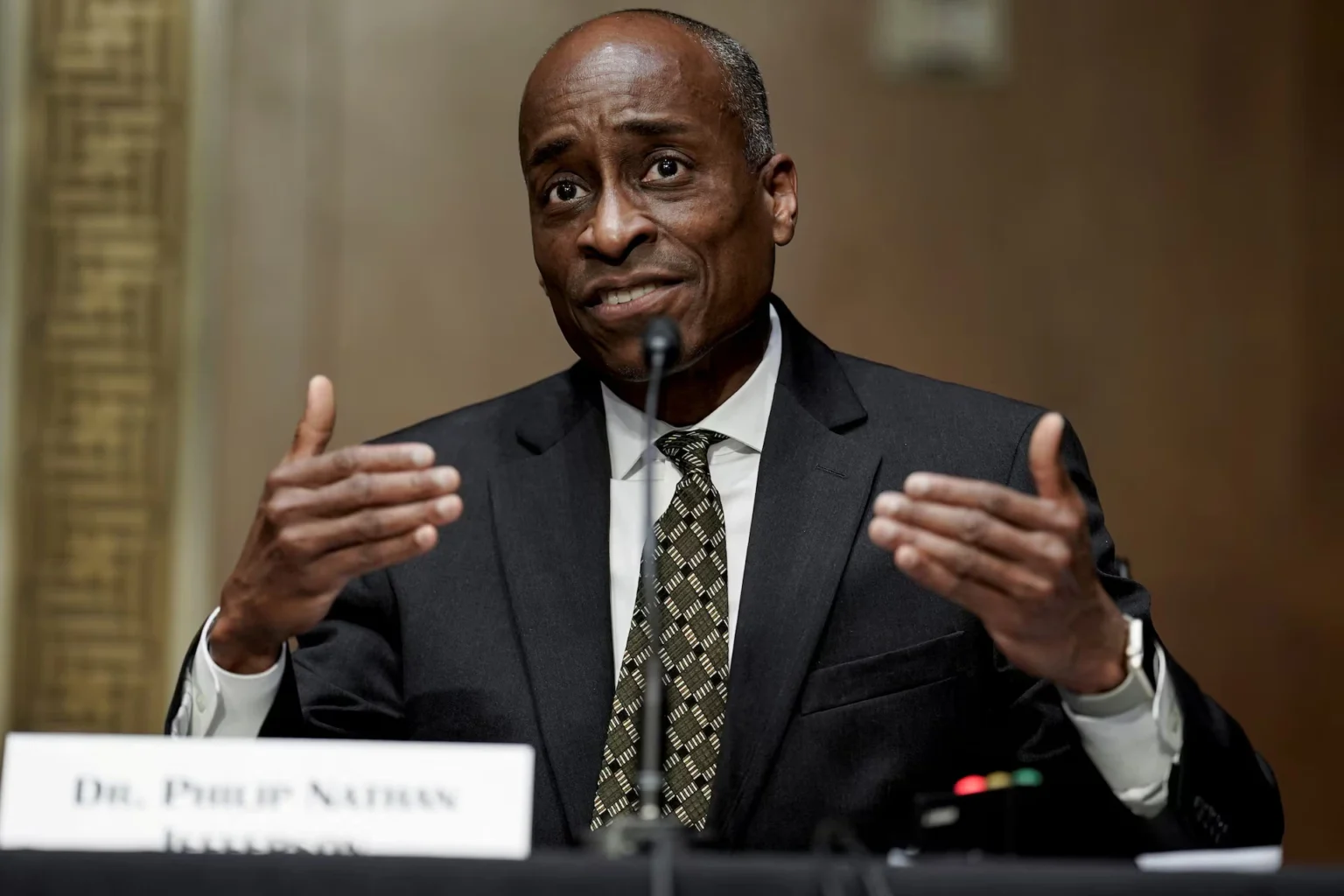
Federal Reserve Vice Chair Philip Jefferson delivered a speech to the 2026 Bank of Japan-Institute for Monetary and Economic Studies Conference in Tokyo on May 27, offering the clearest signal yet of where the central bank sits under its new leadership. The current federal funds rate range – between 3.5% and 3.75% – leaves the Fed “well positioned to respond to economic developments based on the incoming data, the evolving outlook, and the balance of risks,” Jefferson said. He was deliberate about one thing: he has not prejudged the June 16-17 FOMC meeting and will not signal a direction in advance.
The speech is Jefferson’s first major public statement since Kevin Warsh was sworn in as Fed chair on May 23, succeeding Jerome Powell, who remains on the board as a governor. That context matters. Jefferson is the Fed’s second-in-command, and the stability of his language – cautious, data-dependent, carefully neutral – sends a message beyond the content. The institution is not pivoting. At least not yet. The editors at YourDailyAnalysis read the Tokyo speech as a deliberate act of institutional continuity: Jefferson is projecting normalcy in the first week of a leadership transition that markets have watched with significant anxiety. It is worth remembering that Powell stayed on as governor, which means the first several FOMC meetings under Warsh will include the person he replaced – a historically unusual arrangement that adds further institutional weight to maintaining an established communication pattern.
On substance, Jefferson laid out a picture that is neither comfortable nor alarming. The U.S. economy is putting in a solid performance, with a stable labor market defined by what he called “low hiring and firing.” The job market risks, though, tilt to the downside. On inflation, Jefferson expects pressures to wane later in the year but acknowledged upside risks remain. He specifically named energy as a complicating factor: while the U.S. produces substantial oil domestically, it is not fully insulated from the disruptions the Iran war has created. That line, which analysts at YourDailyAnalysis flag as the most consequential passage in the Tokyo speech, closes off the most optimistic interpretation of a potential Iran peace deal – even a Hormuz reopening would not automatically clear the path to rate cuts.
There is a third scenario worth positioning against the two obvious ones. The bull case on rates is: deal closes, oil falls, headline CPI drops, Warsh signals a cut by September. The bear case is: deal stalls, inflation stays elevated, FOMC minutes from April show the board already discussing rate hikes, and Warsh faces his first real test under political pressure from the White House. The third scenario – the one that sits between the clean outcomes – is that none of the binary outcomes arrive cleanly. The Fed holds at 3.5% to 3.75% through the June meeting, Jefferson continues threading the needle, Warsh says little publicly, and the market remains in a state of suspended judgment until the May CPI print lands.
Warsh, notably, has not spoken since being sworn in. The team at YourDailyAnalysis reads that silence as deliberate positioning: Warsh is watching how Jefferson frames the communication style of the institution before inserting himself into the public record. That silence is itself a data point. During his confirmation process, he expressed strong interest in cutting rates – positioning that conflicted with the inflation environment he is now inheriting. Jefferson’s measured Tokyo speech may also serve as a quiet signal to Warsh about how the institution communicates: carefully, collectively, and without pre-committing. Whether the new chair absorbs that signal or ignores it will become clear by June 17. Jefferson has now set the tone for the first full week of the Warsh era. His choice of Tokyo – a venue far from Washington, speaking to foreign central bankers – also suggests a deliberate choice to communicate outside the politically charged domestic context. The institutional discipline is visible even in the logistics.
The next FOMC decision on June 16-17, the May CPI reading due in mid-June, and any statement from Warsh himself are the three markers that will determine whether the Fed under new leadership looks more like Powell’s institution or something different. The June meeting is Warsh’s first real public act as chair – and, as Your Daily Analysis maps the institutional dynamic, also the first opportunity for Powell to dissent or align. Markets are already watching. So is the White House.