

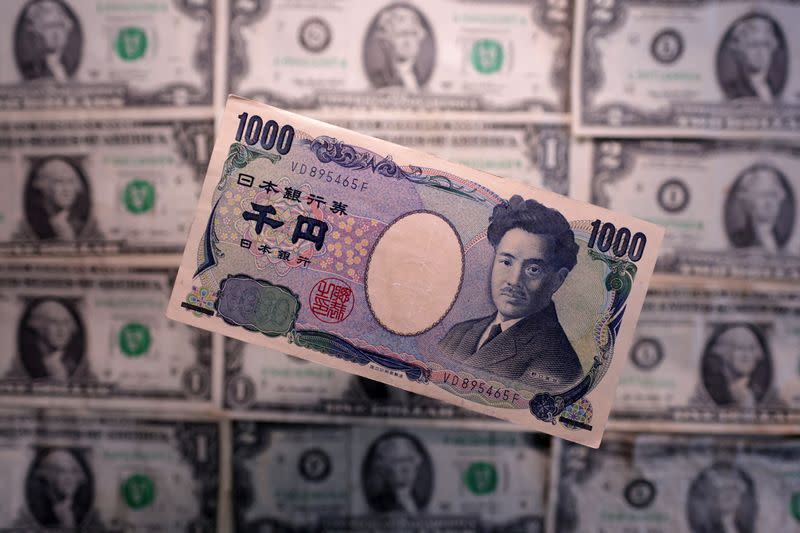
The U.S. dollar index held near 99.47 through Thursday’s Asian session, near its highest level since April 7. Fresh Gulf hostilities drove the move: Iranian attacks on Kuwait damaged the airport and injured dozens on Wednesday, and U.S. military strikes near the Strait of Hormuz followed. Safe-haven demand for dollars reasserted itself at the same moment oil prices rose and risk appetite faded. YourDailyAnalysis breaks down the dollar’s position as a product of three simultaneous forces: geopolitical risk-off demand, energy-driven inflation keeping Fed rate hike expectations alive, and the structural absence of a credible alternative safe haven.
Sim Moh Siong, FX strategist at OCBC, said the USD’s safe-haven status appears to be strengthening again as oil prices and global yields rebound on geopolitical tensions. He added there is no strong case for a bearish dollar and that OCBC stays neutral with a firm but range-bound greenback. That call reflects the absence of the two conditions that historically break the safe-haven premium: a credible Fed pivot toward easing, or a resolution of the geopolitical crisis driving risk-off flows.
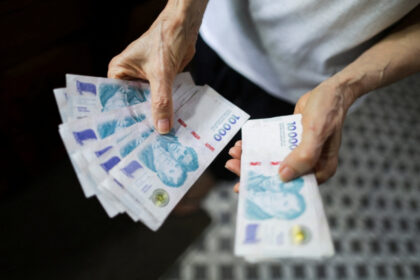
The yen is the most stressed currency in the G10. USD/JPY hit 160.01 on Wednesday, the first time it crossed that threshold since April 30, before retreating after Japanese authorities issued verbal warnings. BOJ Governor Ueda’s Wednesday speech all but confirmed a June rate hike and provided some relief from yen pressure. The reporters at YourDailyAnalysis isolate a genuine tension: the BOJ wants to hike to fight imported inflation, but the dollar’s safe-haven demand – driven by the same Gulf energy crisis pushing Japan’s inflation higher – works against the yen simultaneously.
The other major pairs moved less dramatically. The euro held near $1.1604, with the ECB expected to raise its deposit rate to 2.25% at its June 11 meeting. The British pound traded flat at $1.3424. The Australian dollar was steady at $0.7132 and the New Zealand dollar rose 0.2% to $0.5872. The dollar’s strength is concentrated against the yen and expressed through the index level rather than through dramatic bilateral moves.
The oil-inflation-Fed transmission sustains the dollar’s strength beyond the immediate risk-off reaction. Oil at $95 to $97 per barrel keeps U.S. inflation expectations elevated. Markets assign roughly 50-50 probability to the Federal Reserve hiking by year-end. Any move toward tighter Fed policy is dollar-positive, widening the interest rate differential between the U.S. and economies with more room to ease. The analysts at YourDailyAnalysis map this chain as the reason the dollar’s two-month high reflects a persistent structural bid, not simply a spike.
There is a counter-argument worth taking seriously. If Gulf diplomacy produces a credible ceasefire extension with Hormuz access, oil would drop sharply, inflation expectations would fall, and the dollar’s safe-haven premium would compress quickly. That scenario would also benefit the yen, as Japan’s energy-import bill and inflation pressure would ease simultaneously with the BOJ preparing to hike. A single diplomatic announcement could reset multiple cross-rates by 1% to 2% within hours.
The dollar’s resilience also reflects what it is not doing. The U.S. tariff announcements on 60 trading partners this week produced remarkably little dollar volatility. The tariff environment has become priced-in background noise for FX markets, which now focus far more on the Gulf energy cycle and central bank rate paths than on trade policy. The team at YourDailyAnalysis spots this desensitization to tariff news as a structural feature of the current FX landscape.
The May payrolls report arrives Friday, with consensus at 85,000 jobs and unemployment expected steady at 4.3%. A beat would push Fed hiking expectations higher, add to dollar strength, and increase pressure on the yen through widened rate differentials. A miss would do the opposite but would need to be large to overcome the current geopolitical safe-haven premium.
The question the FX market cannot answer is whether Gulf resolution comes before or after the Fed makes its next move. If a ceasefire unlocks a drop in oil and the Fed pivot trade returns, the dollar index could give back most of its two-month gain within weeks. If the conflict extends into July and August, the dollar’s safe-haven position becomes more entrenched with each session. Your Daily Analysis wraps up with the binary that defines FX through the end of June: Hormuz deal or no deal, everything else follows from that.