

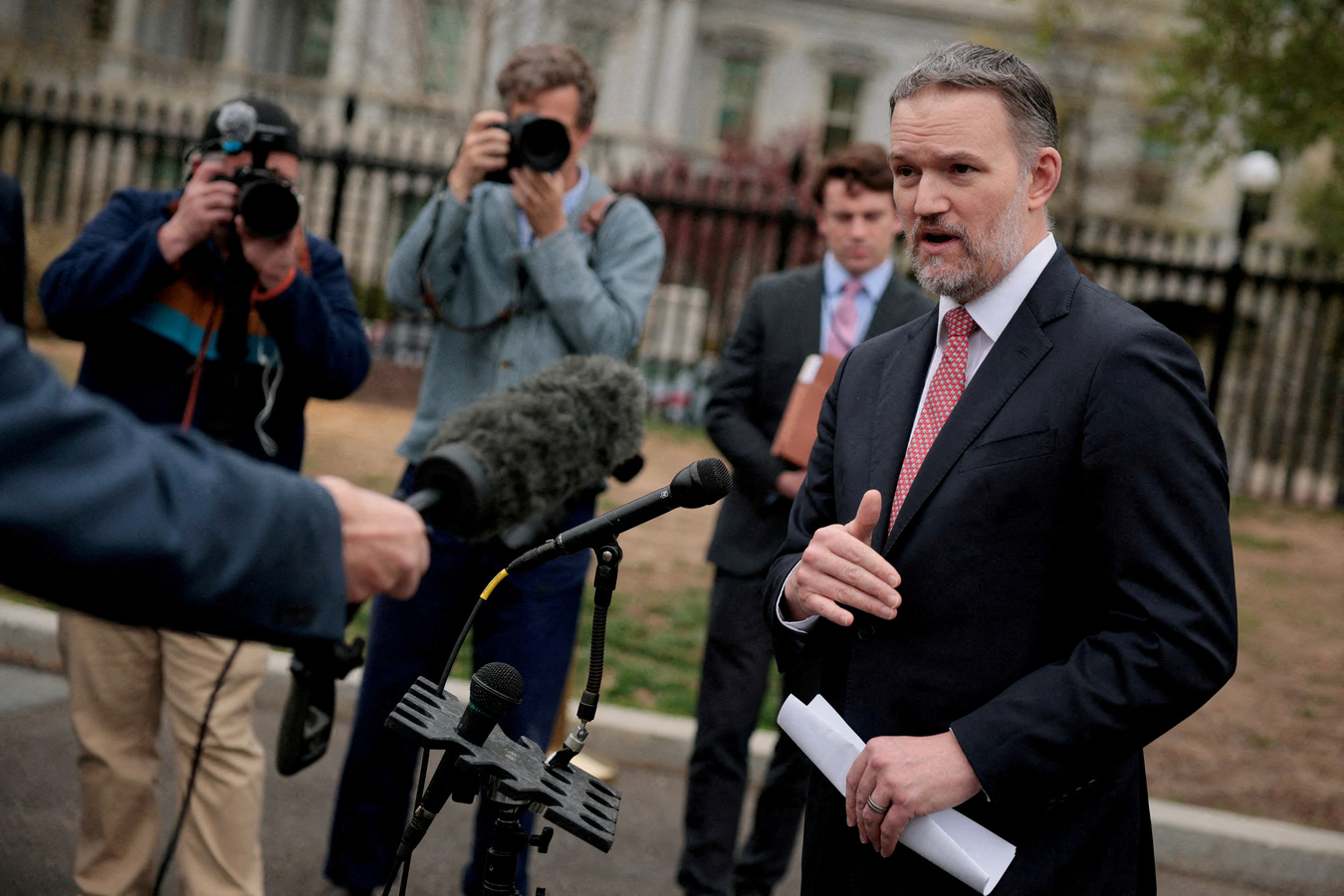
U.S. Trade Representative Jamieson Greer told reporters in Paris on Thursday that Washington would respect the tariff caps negotiated with the EU, Japan, and other trading partners. We understand that a deal is a deal, he said, on the sidelines of an OECD ministerial meeting. The statement came one day after his office announced forced labor tariffs of 10% to 12.5% on 60 economies, including the EU and Japan. YourDailyAnalysis frames the Paris reassurance as damage control for partners who had a legitimate reason to worry: the same week the administration told allies their caps held, it also proposed tariffs that technically apply to those same allies.
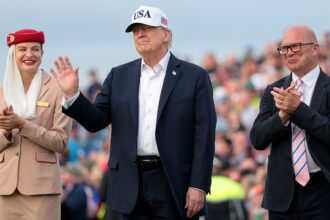
The structure of the tariff architecture is the key. Washington struck bilateral agreements with Brussels and Tokyo at Turnberry, Scotland, capping U.S. tariffs on most EU and Japanese imports at a maximum of 15%. The forced labor tariffs at 10% for the EU and 12.5% for Japan technically stay within that cap. EU Trade Commissioner Maros Sefcovic confirmed this at the same OECD meeting, saying both sides agreed the deal is the deal – meaning the Turnberry all-inclusive 15% figure. Sefcovic said EU countries had been surprised to find themselves targeted for forced labor violations given their labor standards.
The loophole is in what comes next. A separate Section 301 investigation into structural excess manufacturing capacity in 16 major economies – including the EU and Japan – is weeks from completion. That probe could push total duties on EU and Japanese imports well past the 15% cap. The Turnberry agreement acknowledged the U.S. could impose tariffs up to a certain level, and Greer cited the Section 301 investigations as giving Trump the authority to act. The reporters at YourDailyAnalysis unpack this as the central tension: the administration simultaneously says the deal holds and points to a legal mechanism that could breach it.
The overcapacity investigation targets production the USTR describes as untethered from market demand. The probe covers more than 75% of U.S. imports across 16 economies. If completed before the Section 122 temporary tariff authority expires in late July, it would give the administration a legally sturdier basis for maintaining tariff pressure after the Supreme Court struck down the IEEPA tariff framework in February.
International Chamber of Commerce Secretary-General John Denton warned that the proposed Section 301 mechanism risks penalizing legitimate commerce alongside any genuine violations. EU countries make the same argument: their labor standards are high, their manufacturing is market-driven, and they should not find themselves in the same basket as countries with state-owned enterprise overcapacity. The analysts at YourDailyAnalysis identify the EU’s position as politically coherent but legally irrelevant under Section 301, which turns on USTR findings rather than a country’s self-assessment.
The Section 122 temporary tariff authority expires on July 24 without Congressional extension. The administration needs the Section 301 results in place before then to maintain the revenue and leverage it lost when IEEPA tariffs were struck down. Greer said the forced labor probe was complete; the overcapacity probe was a matter of weeks away. The timeline is tighter than it looks.
Watch for the overcapacity Section 301 determination, expected by mid-July. That result will show whether the administration intends to use the cap structure as an actual ceiling or as a floor to build additional duties on top. The editors at Your Daily Analysis set that determination as the key date for the EU-U.S. and Japan-U.S. trade relationship through year-end.
The Section 122 expiry, the overcapacity determination, and the pending Congressional session create a three-variable crunch by late July. If overcapacity tariffs arrive and push EU duties above 15%, the Turnberry deal enters contested legal territory. If they do not arrive in time, the administration faces a gap in tariff authority it has been working for months to close.
The trade deals are non-binding frameworks in the technical sense – the U.S. retained the right to impose tariffs up to a certain level. But framework deals derive their value entirely from the expectation of compliance. If partners decide the frameworks can be circumvented by a new investigation launched two weeks later, the entire bilateral architecture delivers less than it promised. YourDailyAnalysis ends on the uncomfortable bottom line: the deal holds right now, and the overcapacity probe will determine whether it holds in July.