


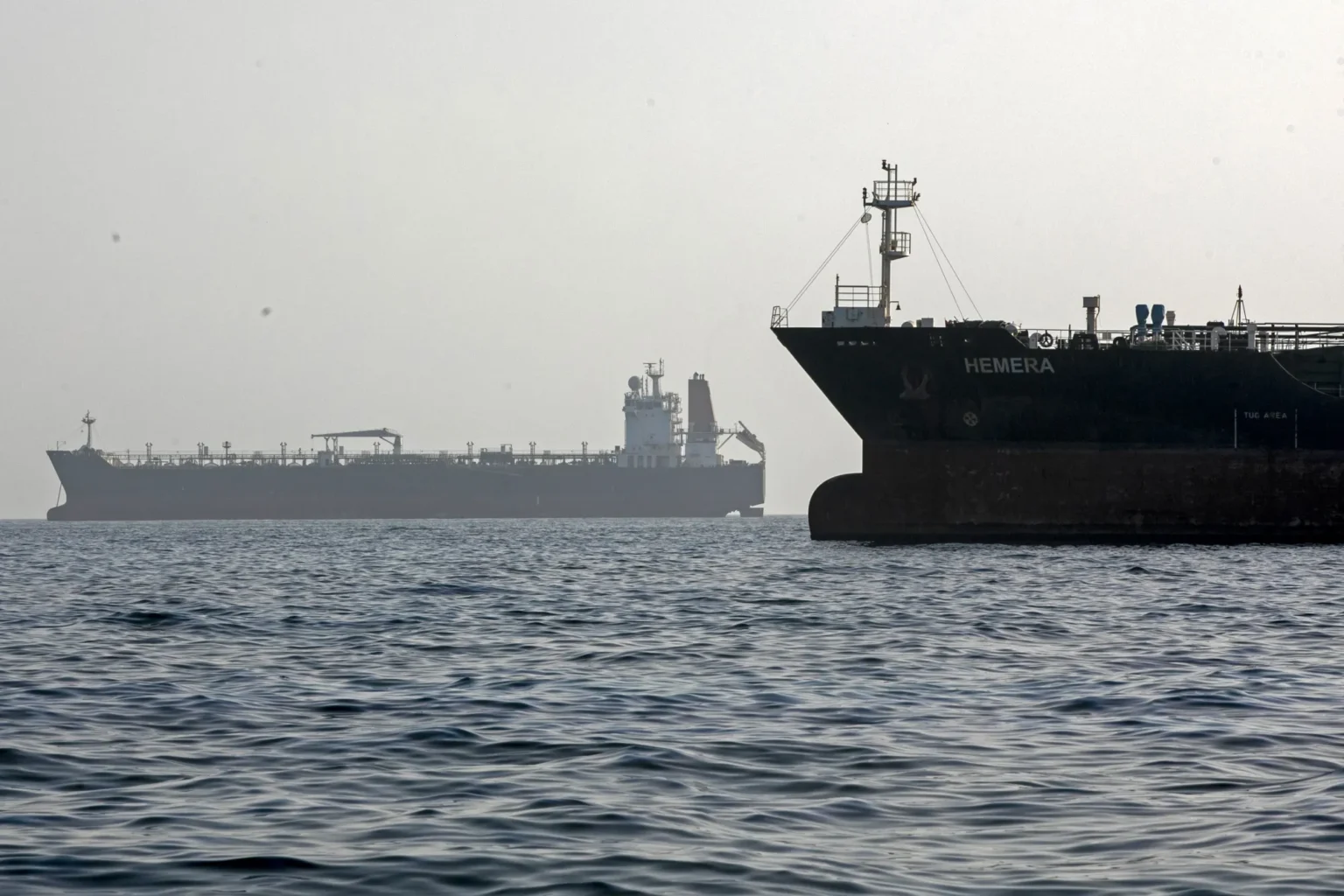
Abu Dhabi National Oil Company sent a formal notice to its long-term crude buyers on Thursday instructing them to resume loading cargoes from its ports at Das and Zirku islands inside the Persian Gulf behind the Strait of Hormuz. The notice cited the recent U.S.-Iran deal and the envisaged uninterrupted flow of traffic through the Strait of Hormuz. ADNOC stated that oil from those ports has been available for loading since April 27 and that failure to pick up the crude would constitute a breach of buyers’ lifting obligations. YourDailyAnalysis spots the commercial mechanics immediately: this is not an announcement that the strait has reopened. This is a producer invoking contractual obligations, signaling that continued non-performance has financial consequences.
The legal framing is specific. ADNOC cited its general terms and conditions for the sale of crude oil, which state that a buyer shall pay compensation to the seller in the event of a failure to take delivery. ADNOC also offered to assist buyers who could not secure their own tankers by providing its own or affiliated vessels.
The ADNOC notice matters because it is the first publicly documented instance of a Gulf oil producer formally invoking buyers’ contractual obligations under the U.S.-Iran peace deal framework. The Das and Zirku island ports handle exports of several crude grades, including Upper Zakum. ADNOC is the UAE’s largest producer, with total production capacity of approximately 4 million barrels per day. Buyers who had rerouted logistics to load from Fujairah, ADNOC’s export terminal outside the strait, will need to reconfigure tanker scheduling for Gulf loading ports.
The insurance and shipping constraints that prevented most commercial operators from accessing Gulf ports remain in place. Lloyd’s of London elevated the strait to its highest war-risk zone during the conflict, and the reclassification that would restore commercial insurance rates requires 30 to 60 days of sustained incident-free transits. ADNOC’s buyers face a practical challenge: they may have the legal obligation to lift from inside the Gulf but lack the insurance coverage to make the transit commercially viable. YourDailyAnalysis measures this as the most operationally consequential gap in the reopening timeline: the legal obligation to lift is active, but the commercial infrastructure to fulfill it is not yet fully restored.
The oil market reading of the ADNOC notice is mixed. It confirms that the world’s fourth-largest oil exporter believes Gulf loading is safe enough to invoke buyer obligations. It also reveals that some buyers have been slow to return, suggesting the caution that shipping insurers and tanker operators maintain is not purely theoretical.
The OPEC+ context adds a supply-side complication. The cartel agreed to an output increase around the ceasefire announcement. If Gulf production volumes recover toward pre-conflict levels simultaneously with the OPEC+ output increase landing in the market, Brent crude faces near-term oversupply pressure. Your Daily Analysis weighs the ADNOC notice against that broader supply picture as a net bearish signal for near-term oil prices, even though it is unambiguously positive news for the physical reopening of the market.
Asian refiners stand to benefit most immediately from restored Gulf loading. South Korean, Japanese, Indian, and Chinese refiners all import large volumes of UAE crude grades. Restoration of normal loading terms reduces their feedstock costs and reduces the premium that light Gulf crudes had been trading at relative to alternative grades during the disruption.
Watch for three data points: whether buyers begin lifting from Das and Zirku island ports in meaningful volumes by end of June, whether ADNOC raises its Murban official selling price toward pre-conflict levels once Gulf freight normalizes, and whether any buyer publicly notifies ADNOC of a force majeure claim to contest the lifting obligation.
The ADNOC notice is the most concrete commercial signal yet that Gulf producers are treating the peace deal as operational reality rather than a pending diplomatic event. YourDailyAnalysis interprets it as a deliberate pressure mechanism: producers who have been carrying inventory risk since April 27 are now enforcing their contracts, and that enforcement is a more powerful normalization signal than any joint press statement.