


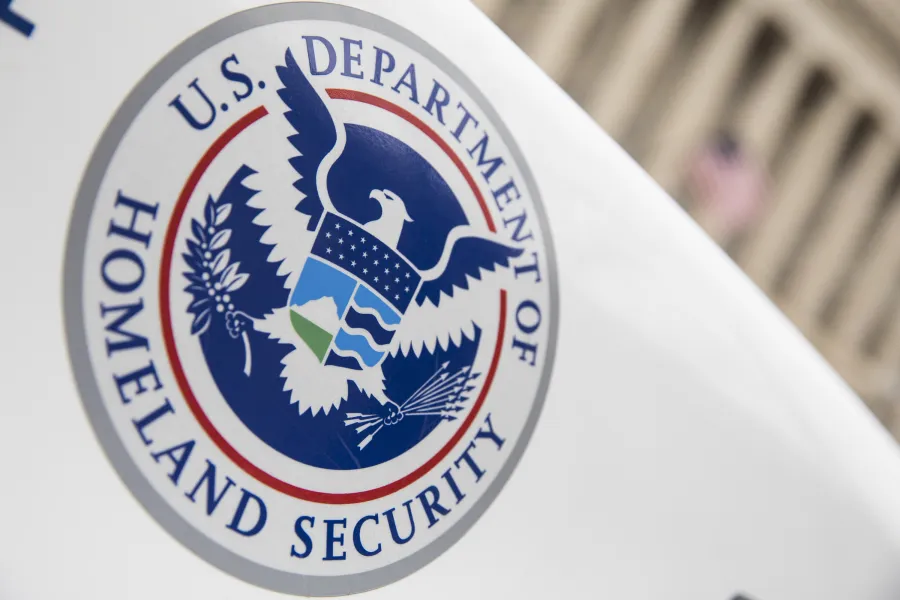
The Department of Homeland Security is investigating a breach of the Homeland Security Information Network, or HSIN, the platform federal, state and local agencies use to coordinate intelligence and plan responses to major events. Nextgov and Bleeping Computer, which first reported the incident, say hackers broke into HSIN servers during late May and early June. A DHS spokesperson confirmed the department is “aware of a recent cyber incident involving a specific, unclassified legacy information sharing environment,” but has not said what data was taken or how much. YourDailyAnalysis flags the word doing the most work in that statement: “unclassified” is being used to signal low stakes, but the platform’s actual function tells a different story.
That function is the first thing worth establishing before assessing severity. HSIN is not a static database; it is the operational backbone federal, state and local officials use in real time during emergencies. Senator Mark Warner, the ranking Democrat on the Senate Intelligence Committee, noted in a statement that the platform is currently supporting security coordination for the World Cup games underway in the United States, and was used last year to manage the response to the mid-air collision between an American Airlines jetliner and a U.S. Army Black Hawk helicopter over Washington, D.C., which killed 67 people. Warner’s conclusion – that the exposed information “is highly sensitive, and its exposure risks national security” – is the more accurate read than DHS’s own characterization. Treating the classification label as a legal distinction rather than an operational one misses the point: unclassified does not mean low-value to an adversary who wants to understand how U.S. agencies coordinate during a crisis.
The breach also isn’t HSIN’s first exposure. A previously reported security lapse in 2023 revealed that the platform contained personal information tied to law enforcement surveillance of Americans. That history matters for a specific reason: it establishes that HSIN has functioned for years as a repository of sensitive material well beyond what its “unclassified” designation implies, which is exactly the kind of platform where a second breach compounds rather than simply repeats the first.
Editors at YourDailyAnalysis position this incident inside a pattern rather than treat it as an isolated event. Since the Trump administration took office in January 2025, the federal government has logged a string of major cybersecurity failures: classified war-planning discussions conducted over Signal, an app not cleared for that purpose; the raiding of federal personnel databases by Elon Musk’s Department of Government Efficiency; a CISA contractor’s public exposure of passwords and cloud keys that reportedly compromised access to government cloud systems; and an FBI incident earlier this year in which the phone numbers of active surveillance targets were exposed, handing potential adversaries a tactical advantage. HSIN is the latest entry on that list, not a standalone failure.
The staffing context is the variable YourDailyAnalysis weighs most heavily. Homeland Security and its cybersecurity arm, CISA, have absorbed deep budget and personnel cuts over the past year and a half. A pattern of recurring breaches across agencies that have simultaneously lost defensive capacity is not a coincidence worth dismissing – it is close to the textbook definition of cause and effect. Whether Congress treats this incident as isolated or as evidence of a structural capacity gap will likely determine whether CISA funding becomes a live legislative fight in the second half of 2026.
Watch for two things: whether DHS discloses the scope of what was actually accessed, and whether the identity or affiliation of the hackers becomes public. Neither is confirmed as of this writing. Your Daily Analysis reads the silence on attribution as the more telling signal for now – agencies typically move faster to name a foreign state actor than a criminal group, and the absence of that framing so far suggests investigators either don’t know yet or aren’t ready to say.