


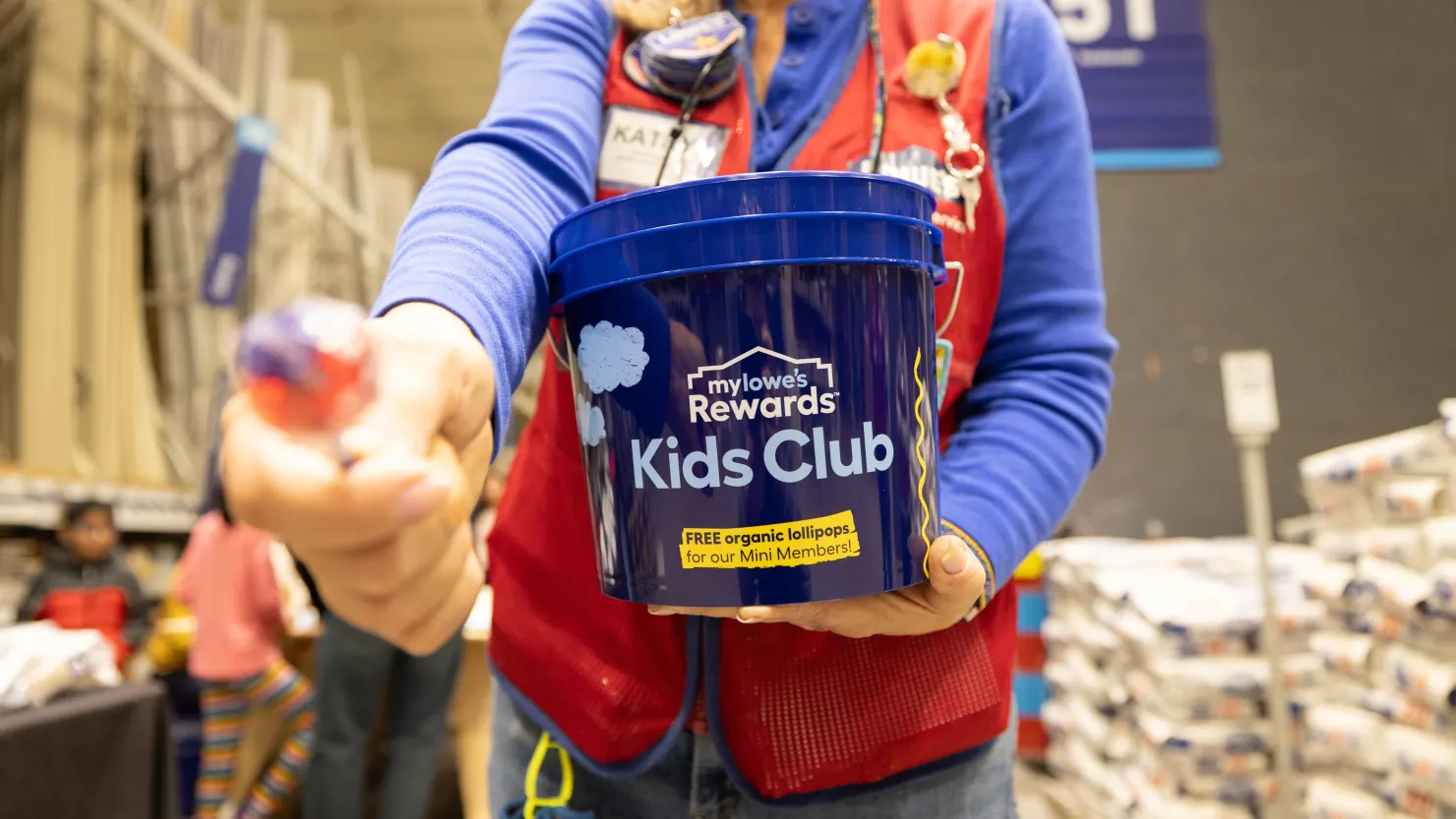
Weekend children’s workshops and loyalty-driven in-store events are not incidental additions to the home improvement business. They reflect a strategic recalibration by retailers facing a prolonged slowdown in U.S. housing turnover and delayed homeownership among younger consumers. As YourDailyAnalysis assesses recent initiatives, the focus is less on immediate sales impact and more on maintaining relevance during extended gaps between major renovation cycles.
The relaunch of children-focused programs and small experiential incentives signals an effort to increase visit frequency among young families and renters. With the median age of first-time homebuyers reaching record levels, traditional demand drivers for home improvement – such as new home purchases and pre-sale renovations – have weakened. Retailers are therefore seeking alternative ways to embed their brands into everyday routines rather than relying solely on episodic project spending.
This shift is reinforced by macroeconomic constraints. Elevated mortgage rates and persistent cost-of-living pressures continue to suppress large discretionary projects. While consumers are gradually adjusting to higher borrowing costs, spending remains skewed toward smaller, deferrable upgrades. YourDailyAnalysis notes that under these conditions, strategies aimed at habit formation – frequent low-value purchases, loyalty rewards, and recurring engagement – can stabilize traffic even as average ticket sizes remain under pressure.
Loyalty platforms have become central to this approach. By expanding rewards programs beyond transaction-based incentives to include events, digital badges, and non-purchase interactions, retailers are effectively redefining loyalty as ongoing participation rather than pure spend accumulation. This model allows companies to collect behavioral data earlier in the customer lifecycle, particularly from Generation Z and younger millennials who may not yet own homes but influence household purchasing decisions.
Product strategy has evolved in parallel. The introduction of low-cost, visually distinctive items designed to gain traction on social media reflects a deliberate attempt to capture attention in discovery-driven channels. While such products contribute marginally to revenue, they serve as entry points into broader ecosystems that include apps, subscriptions, and personalized promotions. YourDailyAnalysis emphasizes that the strategic value lies in reducing customer acquisition costs rather than in the direct profitability of individual items.
At the same time, retailers continue to hedge against weak consumer demand by strengthening their exposure to professional contractors and institutional buyers. Acquisitions targeting building materials distribution and design services signal recognition that professional customers provide more predictable volume during uncertain housing cycles. Balancing this with a heavy reliance on do-it-yourself customers remains a structural challenge, particularly when project deferrals persist.
Competitive dynamics reinforce these trends. Both major home improvement chains are converging on similar tactics: faster fulfillment, expanded marketplaces, creator partnerships, and experiential retail. The distinction increasingly rests on execution quality rather than strategy selection. Your Daily Analysis observes that loyalty-driven engagement and operational efficiency now matter as much as pricing in determining long-term market share.
Risks remain. Lifestyle-oriented initiatives may dilute core brand positioning if not tightly integrated with home expertise. Marketplace expansion introduces quality control and returns management challenges. Moreover, experiential engagement alone cannot substitute for a sustained recovery in housing activity.
The sector is entering a phase defined by patience rather than acceleration. From the perspective of YourDailyAnalysis, retailers best positioned for this environment are those capable of sustaining everyday relevance while remaining operationally prepared for a slow normalization in housing demand. The impact of current engagement strategies will likely unfold over time, but their absence would risk leaving brands disconnected from younger consumers during a critical generational shift in homeownership patterns.