



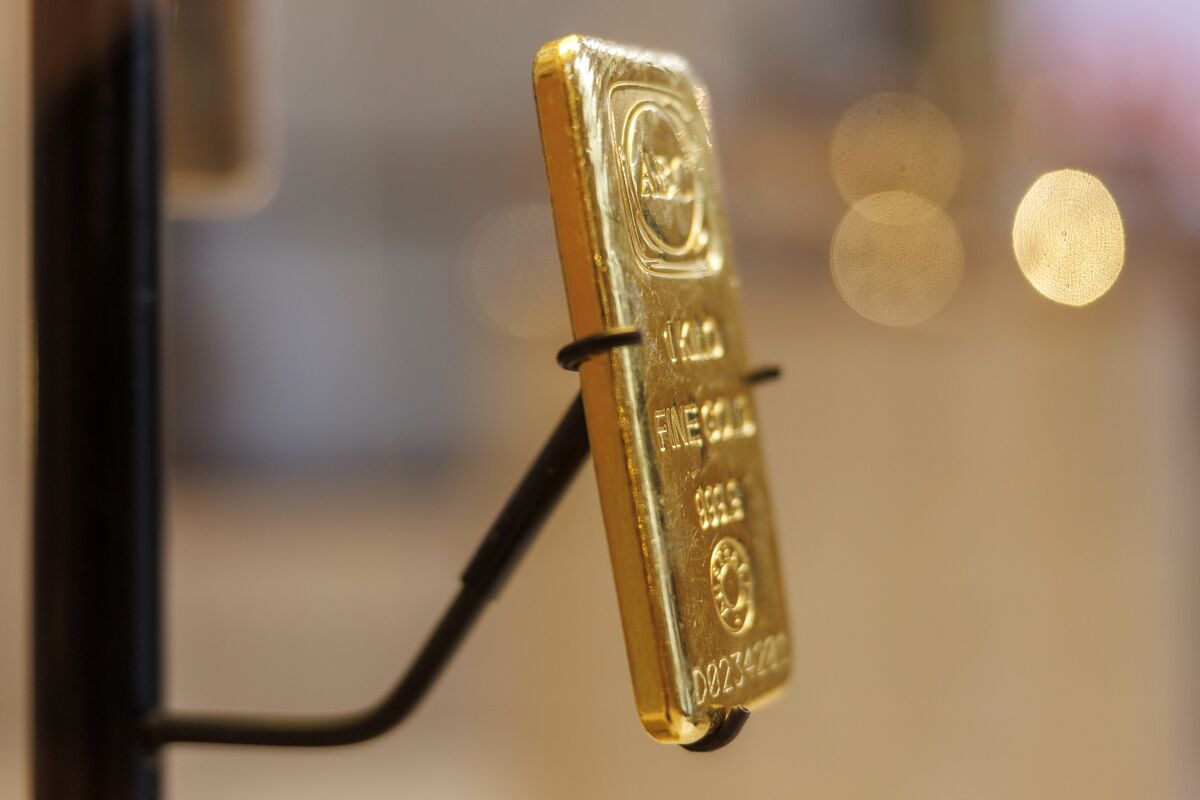
Gold held a decline as a second day of U.S. strikes against Iran drove energy prices higher and intensified concerns around inflation. Bullion was near $4,080 an ounce in early trading, after falling for three days, with the latest attacks coming hours after President Donald Trump said he thought a ceasefire with Iran was “over.” YourDailyAnalysis flags the counterintuitive part of this move: gold is supposed to be the classic safe-haven trade during exactly this kind of military escalation, yet it’s the one major asset still net lower even as oil and equities react to the same headlines.
The explanation lies less in geopolitics than in monetary policy. Minutes of the Federal Reserve’s June meeting, released Wednesday, showed a few policymakers saw a case for a rate increase, though they ultimately backed the decision to keep rates steady, and the minutes more broadly reflected growing concern among U.S. central bank officials over inflation, just as worries about the labor market receded slightly. YourDailyAnalysis treats that combination – rising inflation concern paired with fading labor-market worry – as the more powerful driver for gold right now than the war headlines: higher-for-longer rate expectations are a direct headwind for a non-yielding asset, and that headwind is currently outweighing the safe-haven bid the conflict would normally generate.
The scale of gold’s recent slide adds important context to Wednesday’s move. Gold is down by more than a fifth since the Iran war started in late February, with a wave of profit-taking bringing a three-year bull run to an end and recently pushing the metal below $4,000. That’s a significant unwind from what had been one of the more durable trends in commodities markets, and it means Wednesday’s modest weakness is happening from an already-depressed starting point rather than from a fresh high.
The mechanism connecting the Iran strikes to inflation risk is straightforward and worth stating plainly. Washington had earlier revoked a waiver that had allowed Tehran to sell crude globally, and oil prices surged in response; for gold traders, the escalation of fighting raises concerns that the Fed may need to keep interest rates higher for longer to combat stubborn inflation precisely because of that oil-price pressure. Your Daily Analysis reads this as a case where a geopolitical shock is working against gold rather than for it, since the inflationary side effects of the conflict are reinforcing the same higher-rates narrative that has already driven the metal’s multi-month slide.
There’s a positioning signal buried in the report that’s worth isolating on its own. Despite the sharp year-to-date decline, there’s little evidence yet that investors are putting on large-scale short positions in anticipation of further declines – spot gold was little changed at $4,078.66 an ounce, while silver actually rose 0.3% and platinum and palladium inched higher. That divergence between gold’s softness and modest strength in the other precious metals suggests the move is more about gold-specific profit-taking after its extended run than about a broad flight from precious metals as an asset class.
Watch whether the ceasefire situation stabilizes or deteriorates further after Trump’s “over” comment, and watch the Fed’s coming communications for whether the inflation concern flagged in the June minutes hardens into an actual hawkish shift. Your Daily Analysis views the interplay between escalating conflict risk and the Fed’s rate path as the key tension for gold in the weeks ahead – a genuine ceasefire collapse could eventually overwhelm the rate-driven headwind, but for now the inflation-and-rates story is winning out.