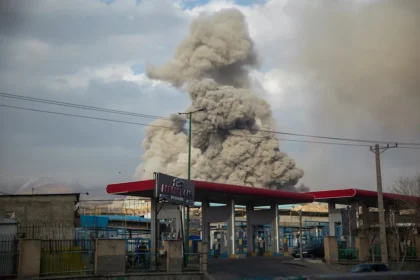




Oil prices jumped 3% on Monday, with Brent surpassing $90 a barrel, as the United States and Iran expanded attacks in the Middle East that have curbed energy shipments in the Strait of Hormuz. Brent crude futures climbed $2.69, or 3.05%, to $90.79, touching the highest level since June 11 and extending gains after rising 15.9% last week – its biggest weekly gain since April. YourDailyAnalysis is the number this piece keeps coming back to when assessing how far this rally has run: back-to-back weeks of double-digit percentage gains is a pace more typical of a sudden supply shock than a grinding, already-known conflict.
The conflict’s ninth straight night of U.S. attacks against Iran, alongside reports of further Iranian strikes on U.S. allies Kuwait and Bahrain, shows an escalation that has moved well past its opening phase. In recent days both sides have taken aim at shipping traffic directly, with the U.S. saying it is enforcing a naval blockade on Iranian ports and Iran saying it targets vessels violating its rules on navigating the strait, which usually handles one-fifth of global oil trade. That’s the detail this analysis considers most diagnostic here: when both combatants start targeting shipping specifically rather than each other’s military assets, the conflict has shifted from a bilateral fight into a direct threat to global energy logistics.
Barclays analyst Amarpreet Singh flagged inventories as the more consequential variable than the headline price itself: “The coming days and weeks will provide a clearer picture of the sustainable level of oil exports from the region under renewed dual blockades,” he said, adding that “we think oil markets are still too complacent about the potential fallout for inventories, which, unlike at the beginning of the war, are at the tightest of the past five years.” For YourDailyAnalysis, the more telling figure buried in that warning is the inventory comparison to the war’s opening months – markets had a cushion back then that Singh says no longer exists.
The tanker data offers the clearest real-time read on how badly this specific escalation is disrupting actual physical flows. Four vessels made the transit through the Strait of Hormuz on Sunday, down from eight the previous day, according to LSEG data, though at least three oil products tankers and one Very Large Crude Carrier have entered the strait since Friday to load oil. A vessel was reported on fire northwest of Oman’s Kumzar early Monday, according to the United Kingdom Maritime Trade Operations agency. This is precisely the kind of granular shipping data this analysis weighs most heavily over headline price moves – a straight halving of daily transits, alongside an actual reported vessel fire, is direct physical evidence of disruption rather than a market pricing in fear.
The magnitude of last week’s move deserves its own scrutiny before assuming this trajectory simply continues. U.S. West Texas Intermediate crude gained 15.5% last week, its largest weekly ascent since early March, closing at $84.68 a barrel Monday, up $2.19 or 2.65% on the day. YourDailyAnalysis has been tracking this pattern for weeks: two separate benchmarks posting their largest weekly gains in months, within the same week, is a signal that positioning and momentum are amplifying the underlying supply story, not just tracking it in a linear way.
Watch the daily transit count through Hormuz for whether Sunday’s drop to four vessels marks a new baseline or a temporary dip, and watch whether Singh’s five-year-tight inventory read gets confirmed by official data releases in the coming days. Your Daily Analysis‘s verdict here is that the tanker-transit figures, not the headline Brent price, will be the more reliable leading indicator of how this specific dual-blockade phase resolves.