


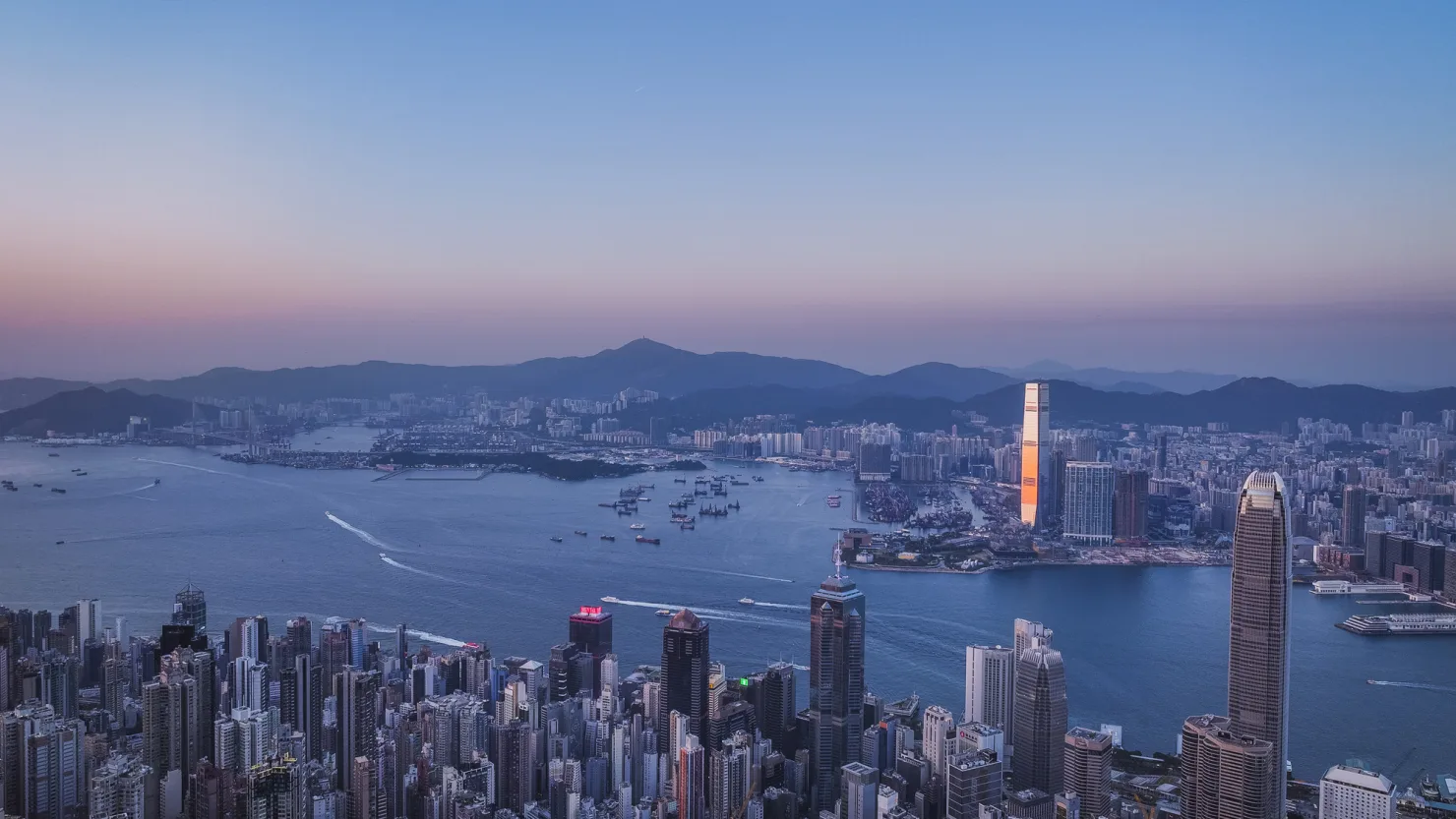
Rising geopolitical tensions in the Middle East are beginning to influence global wealth allocation strategies, as investors reassess the stability of traditional financial hubs. YourDailyAnalysis notes that uncertainty surrounding the conflict involving Iran is raising new questions about the long-standing perception of Dubai as a secure destination for international capital. At the same time, policy changes in Hong Kong aimed at expanding tax incentives for family offices are drawing renewed attention from wealthy investors considering a greater presence in Asia.
Hong Kong’s government recently proposed a series of tax measures designed to strengthen the city’s appeal to global wealth managers. The proposals include expanding tax exemptions for family offices, family investment holding companies and private funds. Under the draft framework, preferential tax treatment could extend to a broader range of assets, including gold, cryptocurrencies, private credit and overseas real estate. Authorities have indicated that legislation formalizing these measures may be introduced by mid-year.
The renewed policy push reflects Hong Kong’s broader effort to reassert itself as a leading global wealth management center. YourDailyAnalysis observes that the city has been working to restore investor confidence after the political unrest of 2019 triggered a notable outflow of affluent residents and capital. Estimates from wealth migration consultancy Henley & Partners suggest that roughly 4,200 millionaires left Hong Kong that year, prompting policymakers to introduce targeted initiatives aimed at attracting private capital back to the territory.
Those efforts began to take shape in 2023 when Hong Kong introduced tax concessions specifically designed to encourage the establishment of family offices. Since then, the number of such entities has gradually increased. Research commissioned by the Hong Kong government indicates that nearly 3,400 single-family offices were operating in the city by the end of 2025, representing significant growth compared with two years earlier.
YourDailyAnalysis highlights that Hong Kong’s renewed push is unfolding against intense regional competition. Singapore has emerged as one of the strongest rivals in attracting ultra-high-net-worth families seeking stable legal frameworks, political neutrality and efficient tax regimes. Data from Singapore’s financial authorities shows that the number of family offices in the city-state rose dramatically from about 400 in 2020 to more than 2,000 by 2024.
Singapore’s rapid rise forced Hong Kong to adjust its own incentive structure. Many of the tax measures now being proposed mirror policies already implemented in Singapore, including exemptions tied to certain asset classes. However, Hong Kong’s framework could offer broader advantages in some areas, particularly in the potential tax treatment of cryptocurrencies, which may become an important differentiator for digital-asset investors.
Another factor often highlighted by advisers is the relative ease of establishing investment structures in Hong Kong. The regulatory framework allows family offices to access tax incentives without a lengthy approval process. By contrast, Singapore typically requires formal exemptions that can take several months to secure, although regulators have shortened the waiting period in recent years.
YourDailyAnalysis also points out that Hong Kong places fewer restrictions on where family offices must allocate capital. Singapore requires a portion of managed assets to be invested locally, whereas Hong Kong allows greater flexibility in global portfolio allocation. This difference could appeal to investors seeking broader diversification strategies.
Despite the policy momentum, the long-term impact of the new incentives remains uncertain. Some advisers believe wealthy families may prefer to diversify their investment exposure rather than relocate entirely. While geopolitical risks in the Middle East could encourage investors to shift some capital toward Asia, personal relocation decisions are often influenced by political alignment, business ties and lifestyle considerations. Your Daily Analysis suggests that the evolving competition between Hong Kong and Singapore reflects a broader global trend: financial centers are increasingly competing not only for capital but also for the institutional infrastructure that supports ultra-high-net-worth families. In this environment, tax policy, regulatory efficiency and geopolitical stability are becoming decisive factors in determining where the world’s wealthiest investors choose to manage and preserve their assets.