


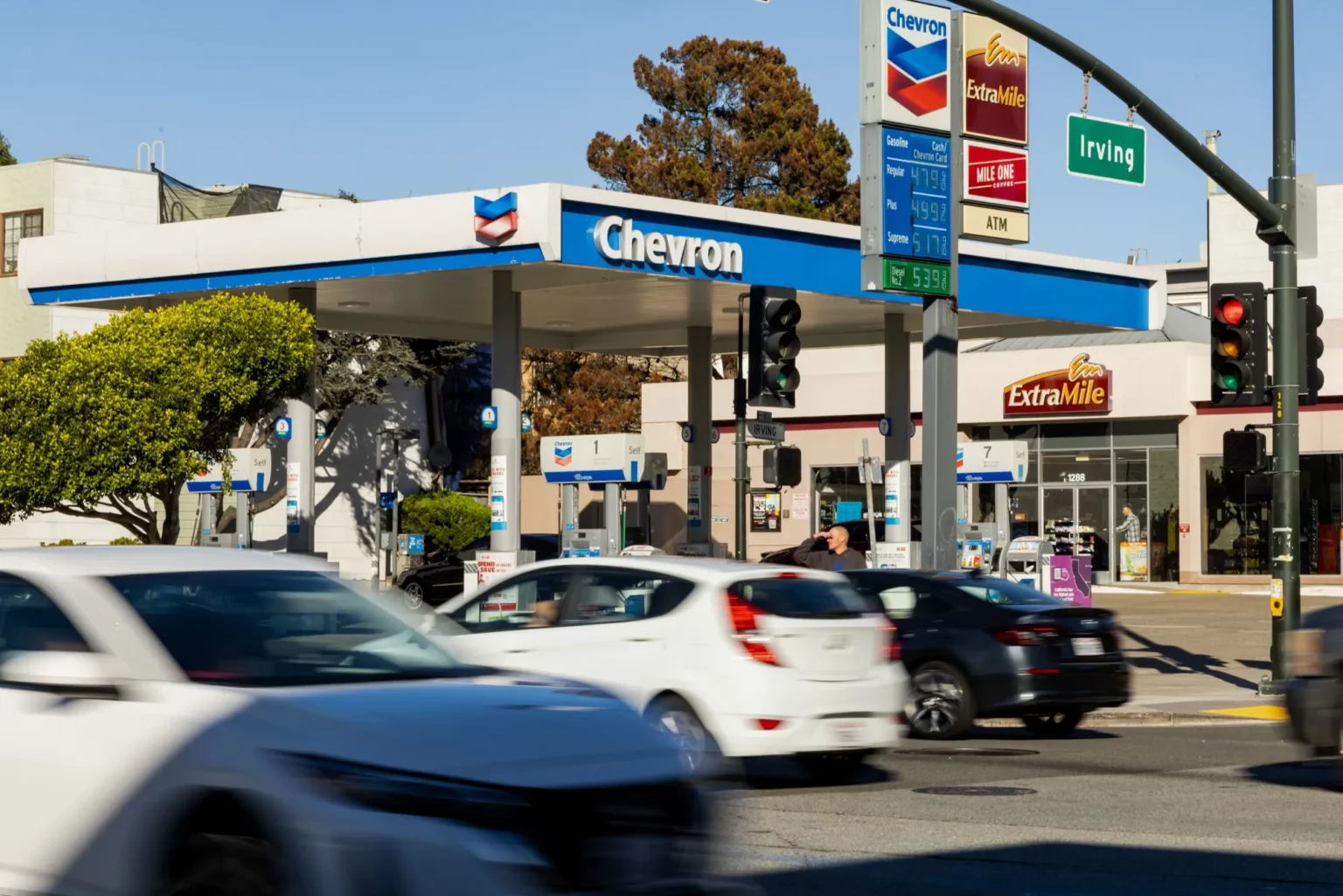
U.S. energy equities reacted sharply after President Donald Trump signaled support for reviving Venezuela’s oil sector following the weekend seizure of Nicolas Maduro, triggering a rally led by Chevron and oilfield services firms. From a YourDailyAnalysis perspective, the move reflects a compression of political risk rather than a fundamental reassessment of near-term supply. Markets priced improved access and optionality well ahead of any realistic increase in barrels.
Chevron’s outsized gains underline that distinction. As the only major U.S. producer operating in Venezuela under a special authorization, the company sits closest to monetizing any easing or redesign of restrictions. Oilfield service stocks rose on expectations of a multi-year infrastructure rebuild, but YourDailyAnalysis notes that this trade implicitly assumes continuity of contracts, security, and payment mechanisms – assumptions that remain untested in a transitional political environment.
The strategic logic is clear. Venezuela’s heavy crude is a critical feedstock for U.S. Gulf Coast refineries, and restoring flows would reduce dependence on alternative heavy grades. Yet operational reality points to a slower trajectory. Years of underinvestment, asset degradation, and workforce attrition mean that even an aggressive policy pivot would translate into incremental output gains over years, not months. In YourDailyAnalysis, this gap between political signaling and physical delivery is the core risk to the current rally.
Legal and fiscal uncertainty further complicate the outlook. Outstanding arbitration claims linked to past expropriations, unclear tax and royalty regimes, and the absence of a stable regulatory framework raise the hurdle rate for large-scale capital commitments. Statements from ConocoPhillips and Exxon underscore this caution, suggesting that optional engagement does not equal immediate reinvestment. Equity markets may celebrate a regime shift, but long-dated capital will require enforceable rules.
Looking ahead, Your Daily Analysis frames the base case as a staged normalization rather than a rapid revival. Initial gains are likely to accrue to incumbents with existing infrastructure and compliance pathways, while broader participation depends on legal clarity and security guarantees. For investors, the current rally should be viewed as a political option with asymmetric risk: upside tied to policy follow-through, downside tied to delays and reversals. For policymakers, the lesson is equally clear – without durable institutions, market enthusiasm will remain fragile, and Venezuela’s vast reserves will stay largely theoretical rather than productive.