


China’s shipments of rare-earth magnets to the U.S. remain well below pre-trade-war levels despite last year’s truce, underscoring concerns in the Trump administration about Beijing’s adherence to that agreement. Customs data show U.S.-bound exports of the crucial industrial components in the first half were about 20% below the average level seen between 2022 and 2024, before Beijing tightened supplies in response to President Donald Trump’s tariff war. YourDailyAnalysis’s take: a truce signed specifically to restore this flow, still showing a 20% shortfall months later, is either a slow-moving bureaucratic normalization or a sign Beijing is deliberately keeping the tap only partially open – and the customs data alone can’t distinguish between those two explanations.
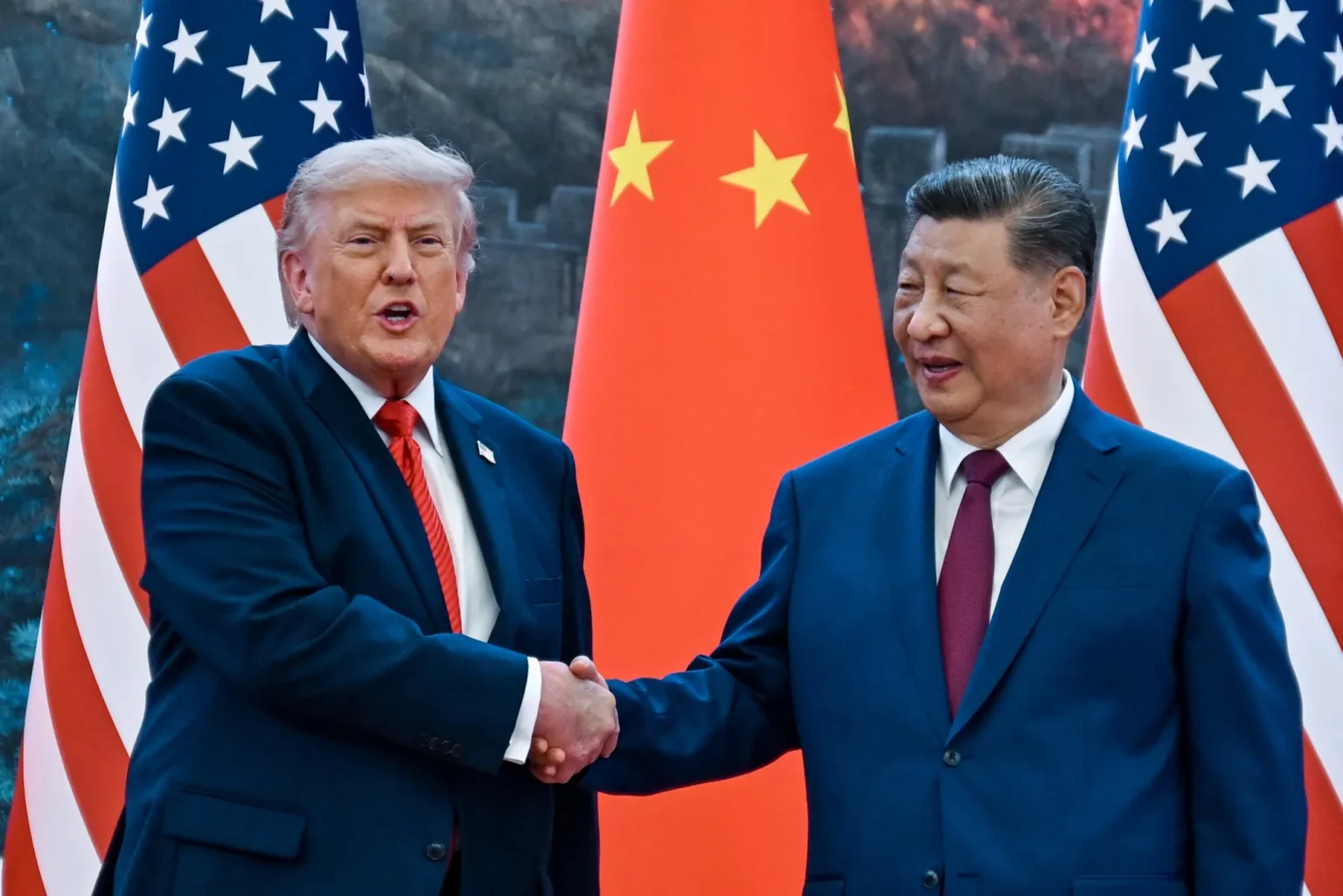
The specific commitment being tested here was central to the broader trade détente, not a minor side provision. China’s pledge to keep critical materials, including rare-earth magnets, flowing was a pivotal part of an October agreement between Trump and Chinese President Xi Jinping to pause their trade war, with the components essential for industries ranging from electric vehicles and factory automation to defense equipment, making their availability a top priority for U.S. manufacturers. That’s the piece YourDailyAnalysis wants readers to sit with: rare-earth magnets sit at the intersection of consumer electronics, industrial automation and defense supply chains simultaneously, which means a 20% shortfall doesn’t just squeeze one sector, it compounds across several strategically important ones at once.
The U.S. government’s own internal assessment of compliance is notably restrained given the stakes involved. White House and Office of the U.S. Trade Representative staff say China isn’t abiding by the U.S. side’s understanding of the agreement, although Trump and other senior officials have been reluctant to press the issue, according to people familiar with the matter; U.S. Trade Representative Jamieson Greer described China’s compliance on rare earths as “not perfect.” In YourDailyAnalysis‘s reading, Greer’s understated “not perfect” framing, next to staff-level assessments of outright noncompliance, reveals a deliberate gap between technical and political messaging – Washington appears to be documenting the shortfall internally while avoiding a public confrontation that could unravel the broader truce.
China’s structural dominance over this specific material is what gives Beijing leverage regardless of how the truce is officially characterized. China produces more than 90% of the world’s rare-earth magnets, and U.S.-led efforts to build alternative supply chains are expected to take years, leaving American industries at the mercy of export controls Beijing imposed in April last year. The way Your Daily Analysis frames it: a 90%-plus market share held by one country over a component critical to electric vehicles, automation and defense is the kind of concentration risk that makes any shortfall, even a partial and improving one, strategically significant regardless of the underlying trade politics.
The trend line, while still short of full recovery, does show gradual improvement worth noting precisely. Monthly exports to the U.S. averaged 479 tons in the first half of this year, compared with 586 tons in the three years from 2022 to 2024, with customs data showing shipments stabilizing this year even though they remain well below pre-curb levels; those figures exclude magnets shipped as part of already-assembled products. That stabilization at a reduced level, rather than continued decline, suggests the current 20% shortfall may represent a genuine new equilibrium Beijing is comfortable maintaining rather than a temporary bottleneck still working itself out.
Watch monthly customs figures for whether the 479-ton average climbs meaningfully closer to the 586-ton pre-curb baseline in coming months, which would signal Beijing is genuinely normalizing flows, versus flatlining near current levels, which would support Washington staff’s noncompliance assessment. The gap between Greer’s public “not perfect” language and internal staff findings is the detail most likely to determine whether this magnet shortfall becomes a renewed flashpoint the next time the broader U.S.-China trade relationship faces pressure.