


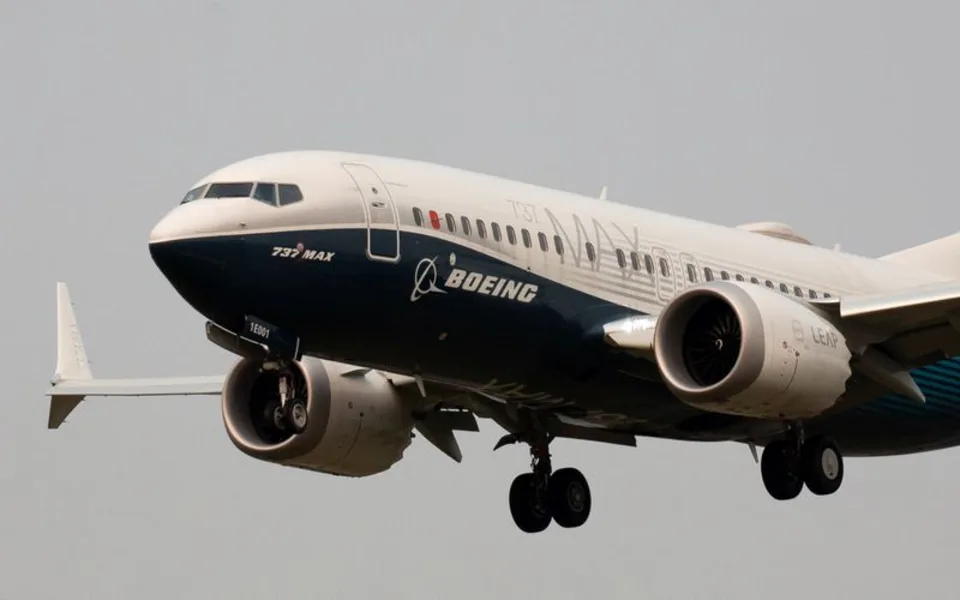
The U.S. Federal Aviation Administration gave long-awaited approval on Monday to Boeing’s 737 MAX 7, a milestone for the American planemaker after years of waiting to sell the smallest version of its best-selling aircraft. The certification arrived years behind schedule: Boeing had once said it expected the plane to win approval before the end of 2022. The delay reflects how thoroughly the regulatory relationship between Boeing and its certifying agency has changed since that original timeline was set.
Boeing said last month it was in the final stages of securing regulatory certification for an engine anti-ice system fix across its 737 MAX line, a fix that ultimately cleared the path for Monday’s approval. A senior FAA official said in comments last month that he expected certification of the larger MAX 10 variant to follow “right behind” the MAX 7. YourDailyAnalysis treats that sequencing comment as the more market-relevant signal buried in Monday’s news, since the MAX 10 variant carries a materially larger backlog than the MAX 7 it is now expected to trail into service.
The scale of what’s waiting to be delivered is already substantial. Boeing has built roughly 30 MAX 7 aircraft and nine MAX 10s that are sitting finished but undelivered, according to aviation data and analytics firm Cirium, with the MAX 10 alone accounting for at least 28% of all outstanding MAX orders. YourDailyAnalysis puts more weight on that 28% figure than on the MAX 7 approval itself, since it quantifies just how much revenue recognition and cash flow remain locked behind the still-pending MAX 10 certification that Monday’s news suggests is now close.
Boeing has operated under a considerably more stringent certification process since two fatal MAX 8 crashes in 2018 and 2019, and scrutiny intensified further after a mid-air cabin panel blew out on a nearly new Alaska Airlines MAX 9 in January 2024. The agency’s own leadership has said publicly that both sides have improved how they work together on certifying new aircraft variants since that incident.
The legislative backdrop to this certification round adds a detail easy to miss in the coverage of the approval itself. Boeing faced a deadline set by Congress in 2022 to win certification of both the MAX 7 and MAX 10 before a new cockpit-alerting safety standard was due to take effect, a deadline Congress ultimately agreed to waive. YourDailyAnalysis flags that waiver as the reason Monday’s certification carries less regulatory urgency than it would have a few years ago, since the hard legal deadline that once loomed over both variants no longer applies.
Watch for confirmation of a MAX 10 certification timeline in the coming months, since that variant’s larger backlog makes it the more financially consequential approval for Boeing. Your Daily Analysis will also be watching delivery data for the roughly 30 already-built MAX 7 aircraft, since how quickly that existing inventory clears will be an early signal of whether Monday’s approval translates into near-term cash flow or simply clears a regulatory bottleneck without an immediate delivery surge.