


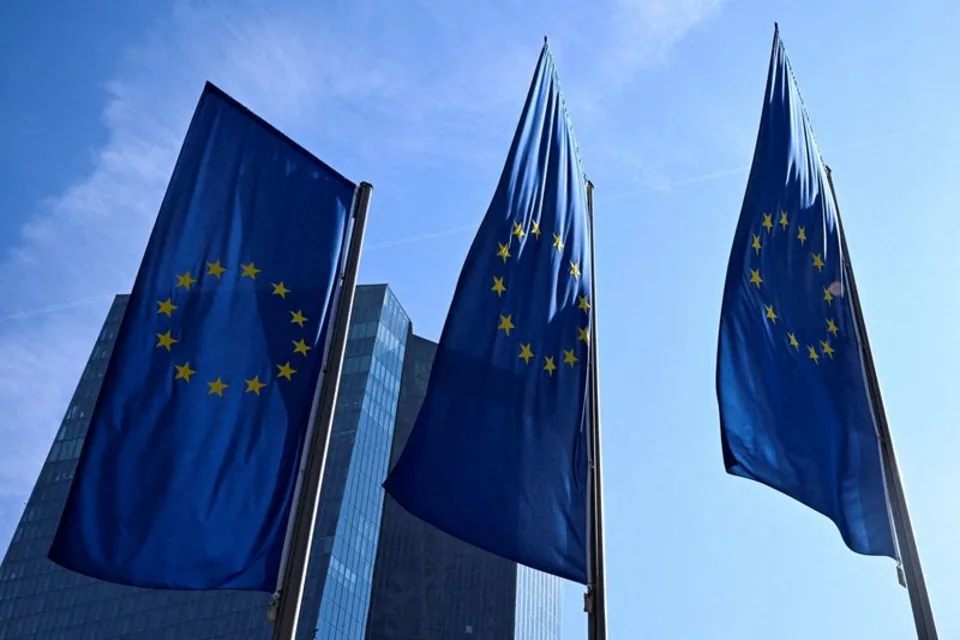
The European Union’s side of its trade agreement with the United States enters into force on July 1, according to a formal EU regulatory filing published Monday. The regulation removes import duties on a broad range of U.S. industrial goods and grants preferential market access for American farm produce. It also extends duty-free treatment for U.S. lobster imports – a narrow but symbolically loaded provision that traces back to a mini-deal struck with Trump during his first presidential term, now folded into the larger 2026 framework. The regulation runs through December 31, 2029, giving both sides a multi-year horizon rather than a renewable annual arrangement.
YourDailyAnalysis flags the built-in safeguard language as the most consequential clause in the filing, more significant than the headline tariff removals themselves. The EU legislation includes provisions explicitly allowing Brussels to suspend its concessions if the United States breaches the trade deal’s terms. That is not boilerplate. It is a structural acknowledgment, written directly into EU law, that the European Commission does not consider this agreement self-enforcing through goodwill alone – it wants a unilateral lever available if Washington’s compliance falters, without needing to renegotiate the entire framework from scratch.
Position this against how unusual that level of formal codification is in the current round of U.S. bilateral trade diplomacy. Switzerland’s parallel arrangement with Washington – a 15% tariff rate negotiated last November after the U.S. had imposed a 39% duty on Swiss goods – remains a preliminary understanding that Bern is still working to formalise through unilateral regulatory gestures rather than a binding instrument with reciprocal legal protections. The EU, by contrast, is activating an actual regulation with a defined expiration date, a reassessment clause, and explicit suspension rights. YourDailyAnalysis weighs this gap as evidence of negotiating leverage: the EU’s combined economic weight allowed Brussels to extract durable legal protections that smaller trading partners have so far been unable to secure on comparable terms.
The filing also requires the European Commission to submit a legislative proposal extending the period of application alongside any comprehensive assessment, where appropriate, before the 2029 expiration. YourDailyAnalysis reads that phrasing as building in a formal review checkpoint rather than allowing the arrangement to simply lapse or auto-renew. It is the kind of procedural detail that rarely makes headlines but matters considerably to multinational companies trying to plan capital investment cycles around tariff stability lasting longer than a single U.S. presidential term.
The broader context is a U.S. tariff landscape still very much in motion. A universal 10% tariff imposed by the Trump administration in February – after the Supreme Court struck down some of the administration’s earlier tariff authority – expires on July 24, just over three weeks after the EU’s own arrangement takes effect. Many analysts expect that baseline rate to be replaced with higher levies once it lapses. The EU’s framework, running through 2029 with explicit safeguards, is built to withstand exactly that kind of mid-stream U.S. policy shift in a way that less formalised arrangements with other trading partners are not. Your Daily Analysis estimates this resilience, more than the immediate tariff relief, is what Brussels negotiators were actually optimising for throughout the talks.
What remains untested is whether the suspension mechanism ever gets used. Safeguard clauses are easy to write into a regulatory filing and considerably harder to invoke in practice without triggering broader diplomatic and economic retaliation. The next meaningful test of the framework’s durability will likely come if and when the July 24 tariff deadline produces a policy shift on the U.S. side that affects EU goods directly, at which point Brussels will face the genuine choice of whether the safeguard language it wrote into law this week is a deterrent or merely a formality.