


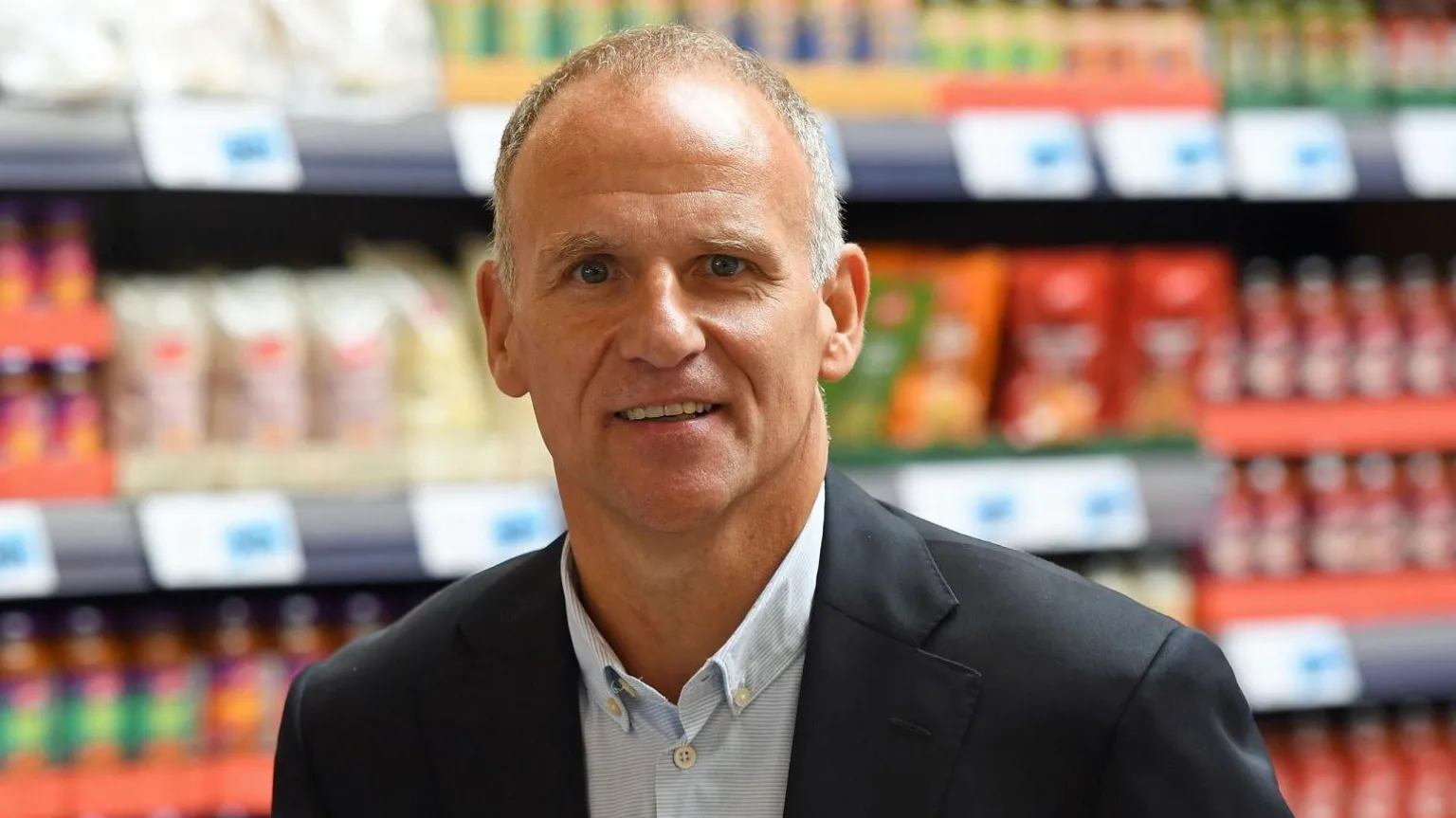
When Diageo announced that former Tesco chief Sir Dave Lewis would take over as CEO on January 1, the market read it as more than a leadership change. It looked like an attempt to reset the world’s largest drinks company at a moment of mounting pressure. Shares jumped about 7 percent in early trading, which, as we at YourDailyAnalysis note, shows that investors are not just optimistic but eager for a leader known for stabilizing businesses in crisis.
The appointment follows the departure of former CEO Debra Crew, who left after two turbulent years marked by falling sales across most categories despite continued strength of Guinness. Diageo’s portfolio includes icons like Johnnie Walker, Smirnoff and Captain Morgan, yet the company has struggled in key markets such as the United States and China. Operating profit for the year fell 28 percent to 3.2 billion pounds, while net sales were essentially flat. We see the combination of consumer strain, slowing premium demand and growing price sensitivity as a clear signal that Diageo needs a different managerial approach.
Sir Dave, known in corporate circles as “Drastic Dave”, brings a specific skill set. He stabilised Tesco after a severe downturn and spent nearly three decades at Unilever. His leadership style is defined by swift decisions, operational discipline and a willingness to dive into structural problems rather than rely on messaging. We at YourDailyAnalysis expect him to bring exactly that method to Diageo: less strategic theatre, more targeted fixes across product categories and regional operations.
Lewis enters at a time when alcohol consumption patterns are changing globally. Younger consumers drink less, inflation pressures household spending and the premium spirits segment is nearing saturation in several major markets. Diageo has already warned that sales growth next year is likely to remain flat or decline slightly due to weakness in the United States and a slowdown in China. From our perspective at YourDailyAnalysis, this means the new CEO will likely shift focus from expansion to portfolio redesign: trimming underperforming brands, refreshing marketing strategy and strengthening local commercial teams.
Another factor is leadership continuity. Before Lewis was named, the company was being led on an interim basis by CFO Nick Jhangiani, which created a sense of drift. The arrival of a heavyweight leader instantly changed sentiment and delivered the stability investors were waiting for.
Our analysis at Your Daily Analysis indicates that the next twelve months will be decisive for Diageo. Lewis has a proven ability to stabilize declining businesses, but the deeper challenge is whether he can shape a new growth path in an industry where traditional consumption patterns are evolving rapidly. Diageo will need to restore margins, sharpen market segmentation and build a more nuanced approach to younger consumers who engage with alcohol very differently from previous generations.
If Lewis succeeds, this appointment will be seen as a strategic turning point. If he does not, Diageo risks becoming another legacy giant that leaned too heavily on brand strength and reacted too late to structural shifts in global demand.