

As we at YourDailyAnalysis examine the fast-approaching Thanksgiving travel period, it becomes clear that the United States is heading into a stress test unlike any other this year. A record holiday travel rush is converging with the end of the longest government shutdown in American history, leaving airlines to prove they can withstand pressure in an environment shaped by political volatility and creaking infrastructure.
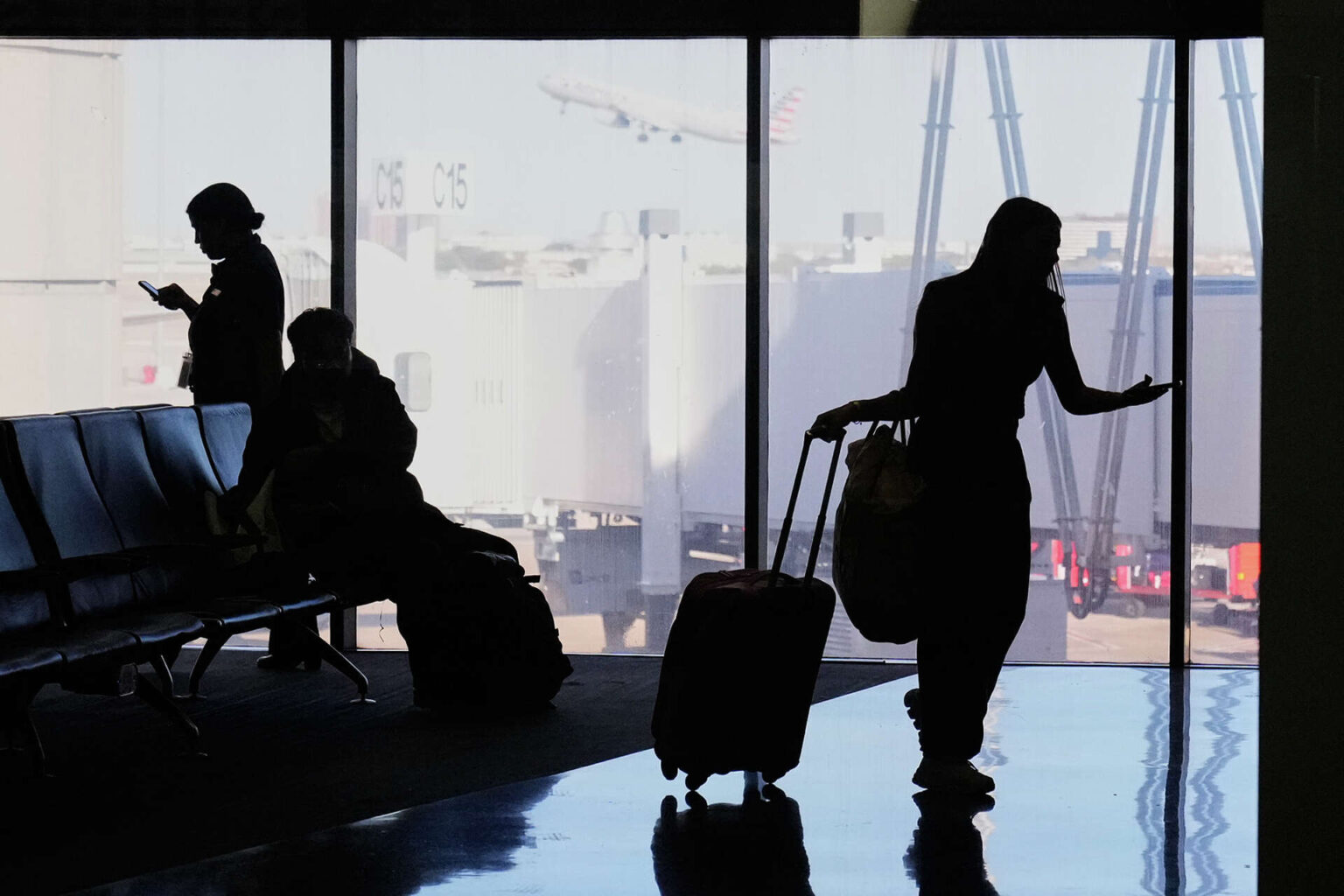
Airlines for America expects more than 31 million travelers to fly during the holiday stretch. The Sunday after Thanksgiving is projected to be the single busiest day, with around 3.4 million passengers, followed by Monday with 3.1 million. This is the strongest holiday surge in a decade, driven not only by recovering appetite for travel but also, as we note in YourDailyAnalysis, by trips delayed during the uncertainty of the shutdown.
Major U.S. carriers welcomed the end of the November 12 shutdown with visible relief. The shortage of air-traffic controllers, many of whom were working without pay, triggered widespread delays and cancellations, disrupting travel for nearly 6 million Americans. Industry executives now warn that aviation has become a pawn in Washington’s political standoffs and are urging lawmakers to guarantee pay for controllers during any future shutdowns. Without such protections, the entire system becomes vulnerable.
The financial impact is already measurable. Bank of America estimates that major network carriers likely lost 150 to 200 million dollars in operating income due to the shutdown, while regional airlines may have taken hits closer to 100 million. These figures align with what we at YourDailyAnalysis view as a structural fragility in U.S. aviation: when one link breaks, the entire chain suffers.
But demand is roaring back at surprising speed. United Airlines reported a 16 percent jump in bookings in the first two days after the shutdown ended, with international holiday travel reaching an all-time high. Popular routes include Cancun, London and Frankfurt. United expects to carry 6.6 million passengers between November 20 and December 2, more than 4 percent above last year.
Data from Cirium shows that major U.S. carriers’ international flying will climb about 5 percent during the Thanksgiving window, with domestic flying up 2 percent. This mirrors typical recovery behavior: long-haul travel rebounds first, then short-haul.
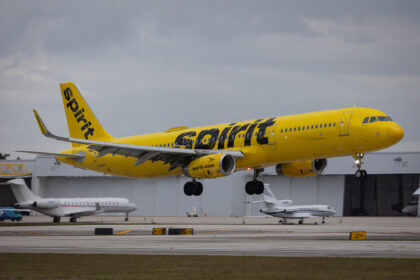
Not all airlines enter the season from a position of strength. Spirit Airlines, which has entered a second bankruptcy in less than a year, has slashed schedules and placed hundreds of pilots on unpaid leave. Domestic capacity at Spirit is down nearly 40 percent. We at YourDailyAnalysis see the ultra-low-cost segment as the most exposed to shocks in the coming months.
American Airlines, by contrast, expects to operate more than 80,000 flights, more than any other carrier. Leadership stresses that Thanksgiving is a high-stakes moment when service failures carry immediate consequences for customer trust.
Yet the most fragile component may be the one passengers never see. Controller staffing levels, workforce morale after weeks of uncertainty, limited reserve crews – these form what we describe as the “invisible infrastructure” of U.S. aviation, and they will determine whether airlines emerge from the holiday test stronger or bruised.
Ultimately, what we at Your Daily Analysis observe is a dual reality: the record travel surge showcases the resilience of consumer demand, but it also exposes the cracks in an aviation system stretched far beyond its intended capacity. If carriers navigate the coming weeks without wide-scale disruptions, they will enter 2026 with renewed momentum. If they stumble, the conversation about modernizing America’s aviation backbone will no longer be optional – it will be urgent.