

President Donald Trump’s unexpected fascination with Japan’s pint-sized kei cars has now evolved into a policy signal – one that, as we note at YourDailyAnalysis, rarely has anything to do with cuteness alone. In Washington, even a whimsical remark about tiny cars can conceal a strategic play involving trade leverage, regulatory power, and geopolitical choreography with Tokyo.
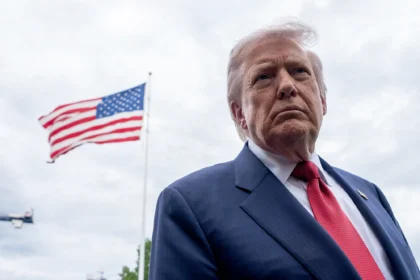
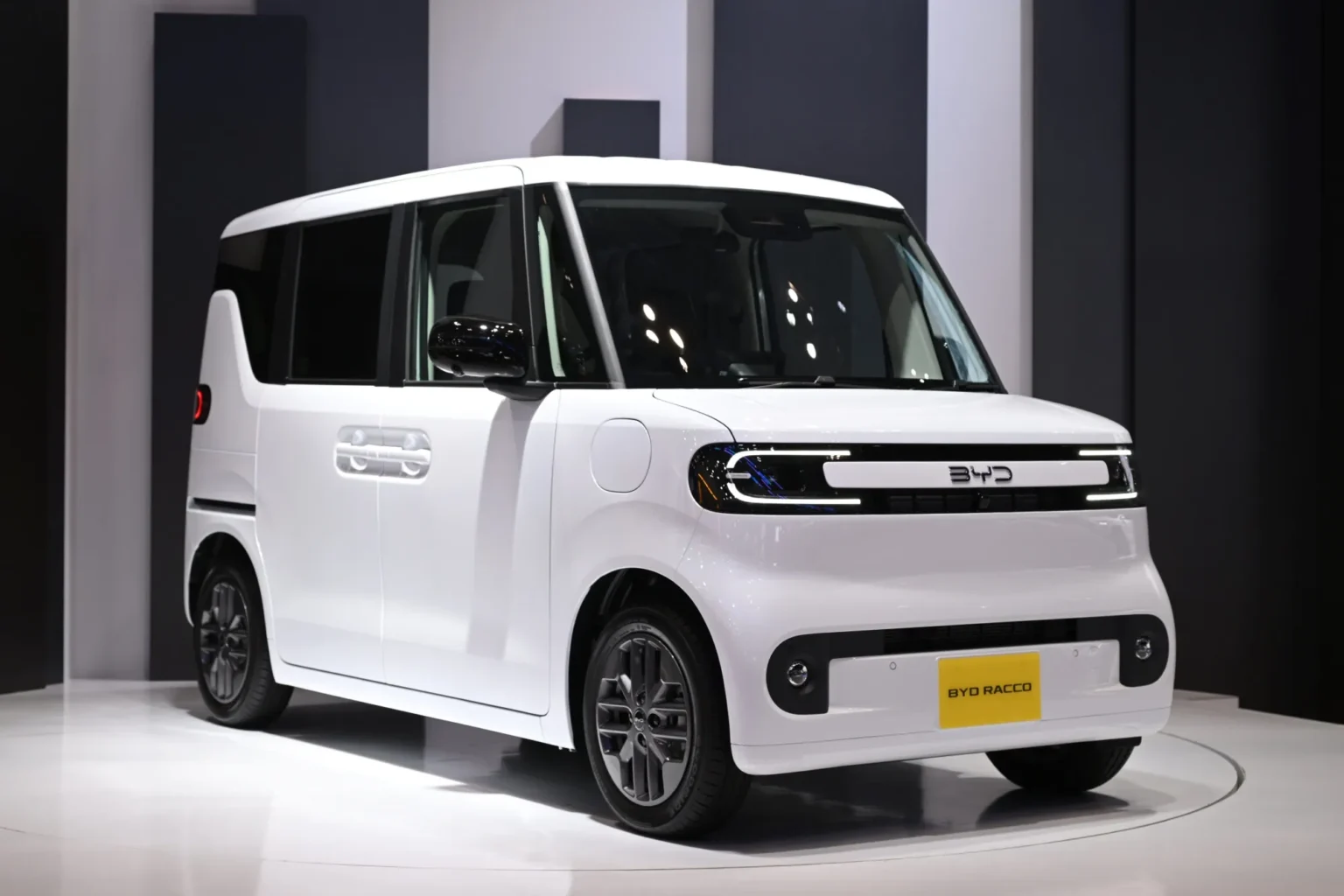
Speaking to reporters at the White House, Trump described the miniature vehicles he saw during his recent trip to Japan as “very small” and “very cute,” and wondered aloud why such cars “aren’t allowed to be made in our country.” Within days, he directed Transportation Secretary Sean Duffy to clear the regulatory path for producing kei-style vehicles in the U.S., despite the fact that these ultra-compact cars fail to meet federal safety and crash-test standards.
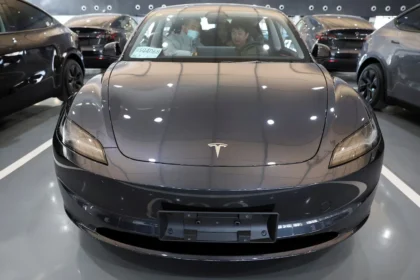
Yet the charm ends where American road reality begins. Designed for narrow Japanese streets and strict domestic regulations, kei cars account for nearly a third of all new vehicle sales in Japan. In the U.S., however, they have survived only as a niche object of enthusiast culture under a 25-year import exemption. The mismatch is structural: kei cars are too small, too slow and too light to coexist safely with America’s heavy SUVs and pickup trucks. As we emphasize at YourDailyAnalysis, regulatory permission alone cannot fix a market misalignment of this scale.
Auto analysts in Asia echo this skepticism. “Prices and costs simply don’t align,” notes Tatsuo Yoshida of Bloomberg Intelligence, pointing out that kei cars depend on state incentives and massive domestic volumes to be viable. Even if Washington softens existing efficiency or safety standards, the economics would still challenge U.S. automakers.
But the political incentives tell a different story. For decades, the U.S.–Japan auto relationship has functioned as a diplomatic bargaining chip. Earlier this year, American negotiators flirted with the idea of selling U.S.-made pickup trucks in Japan, while Tokyo floated greater access for Japanese models assembled on U.S. soil. Trump’s embrace of kei cars fits this broader pattern: a symbolic concession that invites reciprocal movement from Tokyo on trade or security matters. From the vantage point of YourDailyAnalysis, kei cars have become less an automotive proposal and more a geopolitical signal.
There is also a climate-policy dimension. Just as U.S. regulators were preparing to tighten fuel-efficiency standards and accelerate EV adoption, the administration is now entertaining a class of vehicles traditionally powered by small combustion engines. Kei cars do consume less fuel than most American vehicles – but easing regulatory pressure to allow them would simultaneously dilute broader environmental goals. For a country where transportation accounts for the largest share of carbon emissions, this pivot introduces friction into the long-term decarbonization effort.
Still, kei cars could carve out a narrow role in the U.S. market. Our assessment at YourDailyAnalysis suggests they may succeed as urban mobility tools, micro-commercial vehicles for small businesses, or secondary household cars in dense coastal metro areas. This wouldn’t remake the American auto landscape – but it could create a small, symbolically potent category of low-cost, low-footprint vehicles.
For investors, the implications are straightforward: if Washington truly rewrites the rulebook, the beneficiaries will be automakers with flexible supply chains and the ability to experiment in budget segments without large capital exposure. For U.S. regulators, the move signals that automotive policy is entering a volatile phase, where political momentum may move faster than the cars themselves.
As we underscore at Your Daily Analysis, kei cars are no longer just tiny vehicles – they are political instruments with outsized implications. And that, more than anything, explains their sudden appeal inside the West Wing.