


Oil prices continue to drift toward the lower end of their recent range, and at YourDailyAnalysis we see little evidence that the current trend can be reversed in the near term. Brent’s move below the $61-per-barrel level reflects not merely thin holiday liquidity, but a deeper reassessment of global supply-demand fundamentals.
We observe that the oil market has entered a phase in which structural factors once again outweigh geopolitical considerations. Reduced trading volumes have amplified price moves, but the underlying drivers remain fundamental in nature. In our assessment, the dominant force is slowing global demand growth against a backdrop of supply expansion that continues to run ahead of consumption.
China remains central to market expectations, yet incoming data from the world’s largest crude importer remain mixed. On the one hand, higher refinery run rates and stronger apparent oil demand in November point to continued industrial activity. On the other, weak household consumption, subdued private-sector confidence and constrained investment dynamics fail to support a narrative of broad-based economic recovery. At YourDailyAnalysis, we believe markets increasingly interpret rising refinery activity as a short-term adjustment driven by exports and inventory management rather than a signal of sustained end-demand growth.
Pressure from the supply side is simultaneously intensifying. By our estimates, the global oil market is already moving toward a surplus this year, with the imbalance likely to widen into next year. Output growth from non-OPEC+ producers continues to exceed expectations, gradually eroding the effectiveness of voluntary production cuts. Even with formal compliance within the producer alliance, the structural expansion of supply is limiting the impact of coordinated restraint.
Early signs of oversupply are also emerging in the physical market. Softening spot premiums on key Middle Eastern routes suggest easing supply tightness and rising competition among exporters. We at YourDailyAnalysis view this as a critical signal, as physical flows tend to reflect shifts in market balance well before they are fully priced into futures curves.
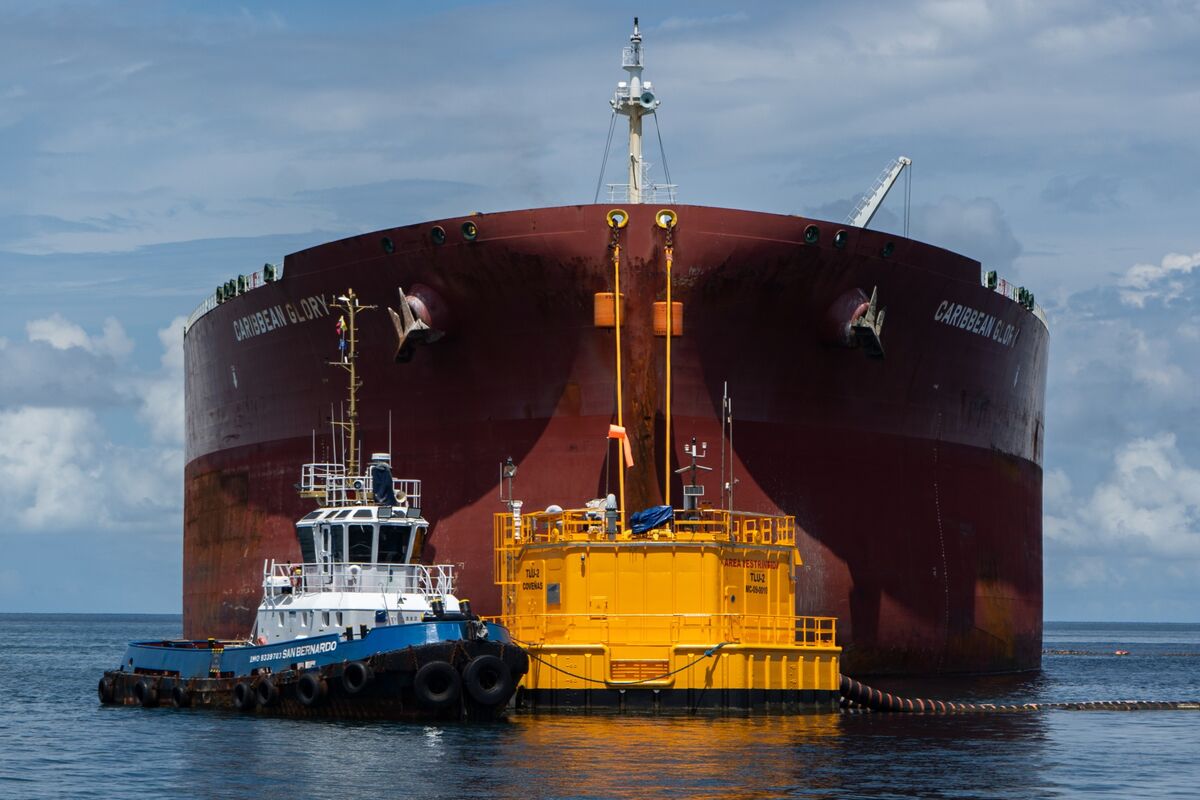
Geopolitical risks continue to embed a modest risk premium in prices, but their influence has clearly diminished. Developments related to Ukraine, disruptions in the Black Sea, and rising tensions between the United States and Venezuela have so far failed to translate into sustained supply disruptions. In our view, markets have become increasingly selective in responding to geopolitical headlines, reacting meaningfully only when physical export volumes or logistics are directly affected.
Under current conditions, oil prices remain in a consolidation phase with a downward bias. The narrow trading range reflects a wait-and-see stance ahead of fresh macroeconomic signals, particularly from China and from policy decisions by major producers. However, the risk of further downside persists should global economic momentum continue to weaken.
In the short term, we see no durable catalysts for a sustained price recovery. Over the medium term, the key variable will be whether global demand can adjust to rising supply. At Your Daily Analysis, our base-case scenario points to continued pressure on oil prices, punctuated by episodic volatility, but without the formation of a new upward trend at the start of the coming year.