


Brent crude opened the week with a sharp gap higher, surging as much as 13% above $82 per barrel, signaling not just a geopolitical shock but a potential regime shift in energy pricing. Markets are no longer reacting solely to headlines; they are beginning to embed a sustained risk premium tied to logistics, insurance, and physical flows. In the view of YourDailyAnalysis, the core issue is not whether the Strait of Hormuz is formally closed, but whether it is functionally constrained.
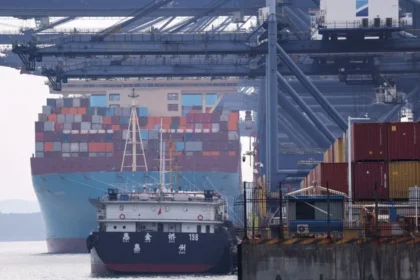
Roughly one-fifth of global oil and a substantial share of liquefied natural gas shipments normally transit through Hormuz. Over the weekend, tanker traffic slowed dramatically as shipping companies reassessed security risks and insurers reconsidered exposure. Even without an official blockade, reduced transit volumes can create the same market effect as a temporary supply interruption. YourDailyAnalysis emphasizes that energy markets react to perceived bottlenecks faster than policymakers can clarify legal status. When vessels hesitate, liquidity tightens and volatility expands immediately.
Additional strain emerged from refining infrastructure concerns. Reports of disruptions near key facilities and the temporary halt of operations at major processing sites intensified fears of product shortages. Futures for middle distillates, including gasoil, spiked sharply, highlighting a critical point: downstream bottlenecks often generate more acute economic stress than crude supply constraints. From the perspective of YourDailyAnalysis, diesel and jet fuel pricing serve as early warning indicators for industrial and transportation cost pressures, which ultimately transmit into broader inflation metrics.
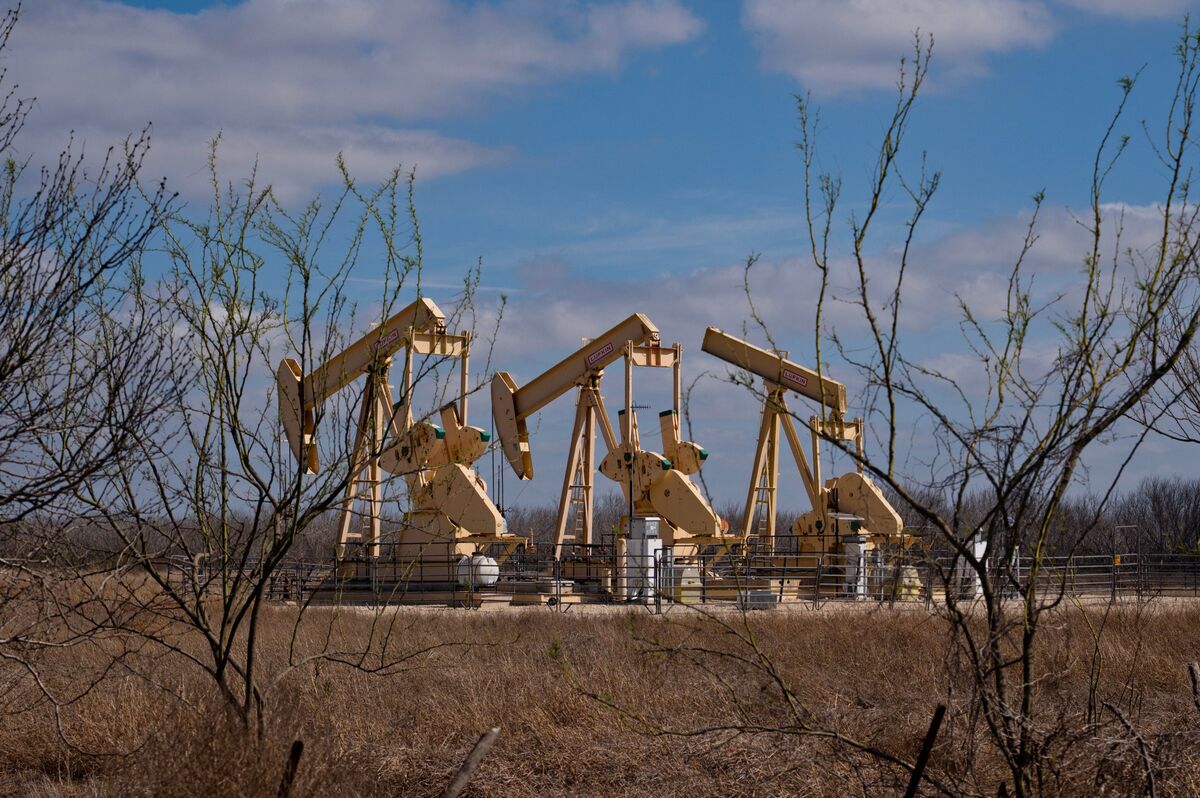
Investment banks have adjusted short-term forecasts accordingly. Base-case scenarios cluster in the $80–90 range, reflecting elevated but not catastrophic disruption. However, upside scenarios toward $100 or even $120 per barrel emerge if two conditions materialize simultaneously: sustained shipping impairment and confirmed damage to export infrastructure. The limiting factor is not solely production capacity but exportability. Even if OPEC+ announces incremental output increases, much of that volume still depends on maritime routes vulnerable to interruption. Your Daily Analysis notes that logistical friction can neutralize nominal supply expansion.
A less discussed but equally important dimension is storage and tanker availability. Should transit disruptions extend beyond several weeks, producers may encounter export backlogs that force operational adjustments. The distinction between “able to produce” and “able to deliver” becomes critical. Historically, price spikes intensify once markets recognize that infrastructure constraints, rather than political rhetoric, are dictating flows.
From a strategic standpoint, volatility is likely to persist. Energy-sensitive equities may benefit in the near term, while transportation and travel sectors remain vulnerable to higher fuel costs and route instability. However, momentum-driven positioning carries reversal risk if shipping conditions normalize. In the assessment of YourDailyAnalysis, portfolio discipline is paramount: prioritize balance-sheet strength, maintain selective inflation hedges, and avoid excessive leverage during headline-driven swings.
If tanker flows through Hormuz resume steadily, a portion of the geopolitical premium could unwind quickly. Conversely, if insurers and shipping operators treat the corridor as structurally high-risk for an extended period, $100 oil may become a working assumption rather than a peak scenario. The coming weeks will determine whether this episode remains a volatility shock or evolves into a structural repricing of global energy risk.