



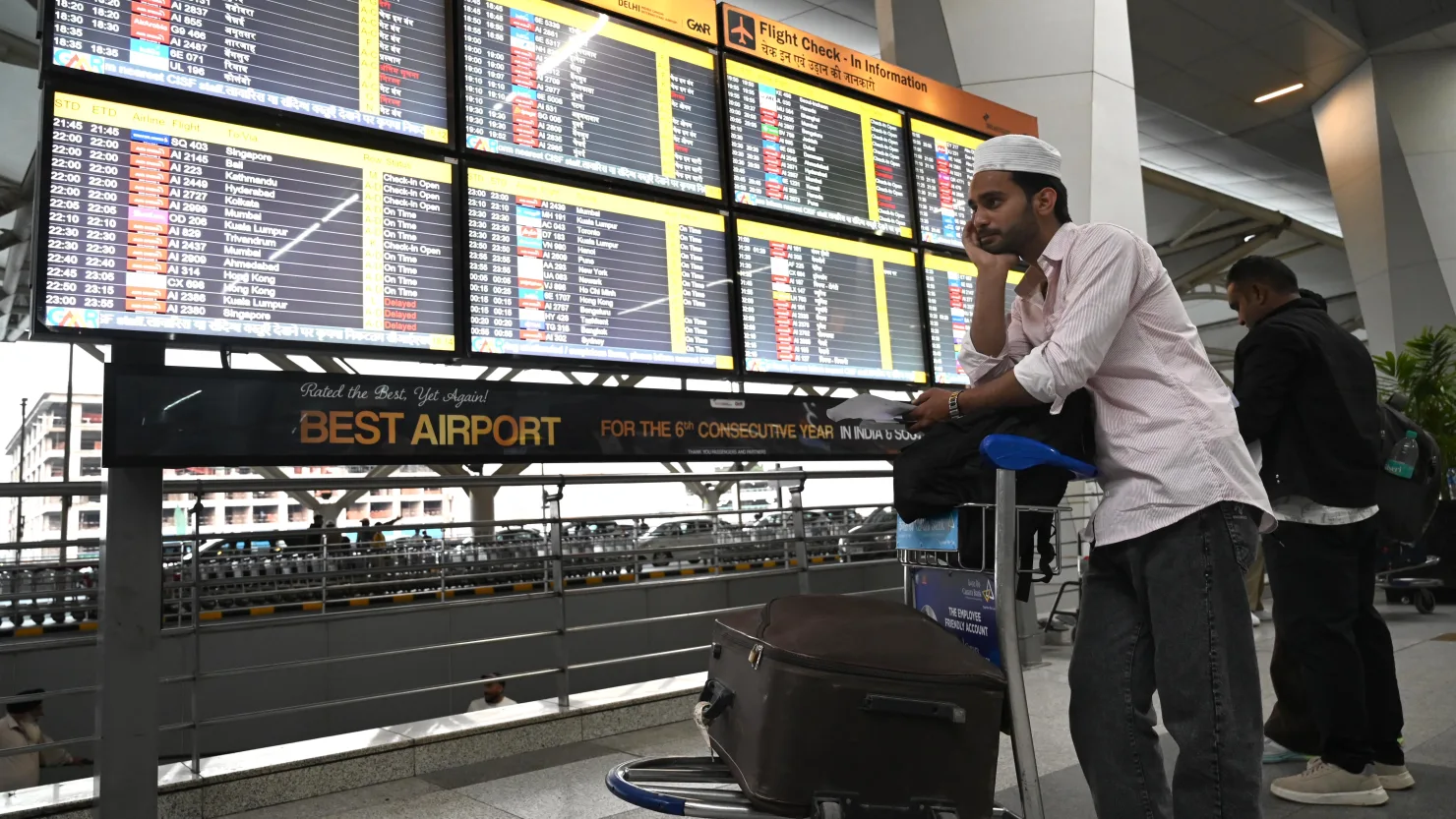
Air traffic in the Middle East is beginning a cautious recovery after one of the largest regional disruptions in recent years. Following the escalation between the United States, Israel, and Iran, more than 11,000 flights were canceled across the region, affecting well over a million passengers and forcing airlines into emergency operational mode. As examined by YourDailyAnalysis, the restart of limited departures from Dubai represents a symbolic turning point – but not yet a full normalization of aviation flows.
Dubai’s role as one of the world’s most critical transit hubs amplifies the significance of even a partial reopening. When such a hub shuts down, the disruption extends far beyond regional travel, cascading through intercontinental routes linking Europe, Asia, Africa, and North America. The decision by authorities to allow only a restricted number of flights reflects a structured risk-management approach rather than a signal that conditions are fully stabilized. In aviation recovery cycles, gradual scaling is standard practice: airlines first prioritize aircraft repositioning, high-demand routes, and stranded passenger backlogs before expanding schedules more broadly.
The initial departures, including long-haul aircraft operations, indicate that airlines are rebuilding network alignment. However, repositioning aircraft and crew is often more complex than restarting ticket sales. Crew duty-time regulations, airport slot availability, insurance approvals, and overflight permissions all constrain operational flexibility. According to YourDailyAnalysis, these structural factors mean that full schedule restoration typically takes several days, even after airspace technically reopens.
Another critical layer involves security and insurance protocols. When conflict zones expand, aviation insurers reassess risk premiums, and airlines must continuously reevaluate route safety. This can result in longer flight paths, higher fuel consumption, and increased operating costs. Such indirect consequences often outlast the initial closures. Even limited uncertainty in corridor access can create ripple effects in aircraft rotations across global networks.
The potential use of chartered or alternative routing options, particularly for repatriation purposes, underscores how aviation shifts into logistics mode during crises. Airlines may route passengers through neighboring countries or secondary airports to bypass restricted airspace. While effective in the short term, these arrangements remain contingent on evolving security assessments. From the standpoint of Your Daily Analysis, contingency corridors provide operational relief but rarely offer long-term stability.
Looking forward, the pace of normalization will depend on sustained predictability in airspace management. If routes remain consistently open for several consecutive days, airlines can rebuild passenger confidence and adjust schedules with greater certainty. If tensions fluctuate, expect stop-start expansions, with capacity gradually added and occasionally retracted. Such patterns typically lead to temporary fare volatility and tighter seat availability on key routes. For travelers, flexibility remains essential. Direct routes, longer connection buffers, and changeable ticket structures reduce exposure to renewed disruptions. For cargo operators and time-sensitive shipments, diversifying transport corridors may mitigate short-term operational risk.
The broader implication is that aviation resilience is increasingly tied to geopolitical stability. Large hub closures reveal how interconnected global networks have become – and how quickly localized conflict can reverberate through worldwide transport systems. As emphasized by YourDailyAnalysis, early departures signal operational progress, but true recovery will be measured by sustained schedule reliability, stable routing permissions, and normalized passenger volumes over the coming week.