


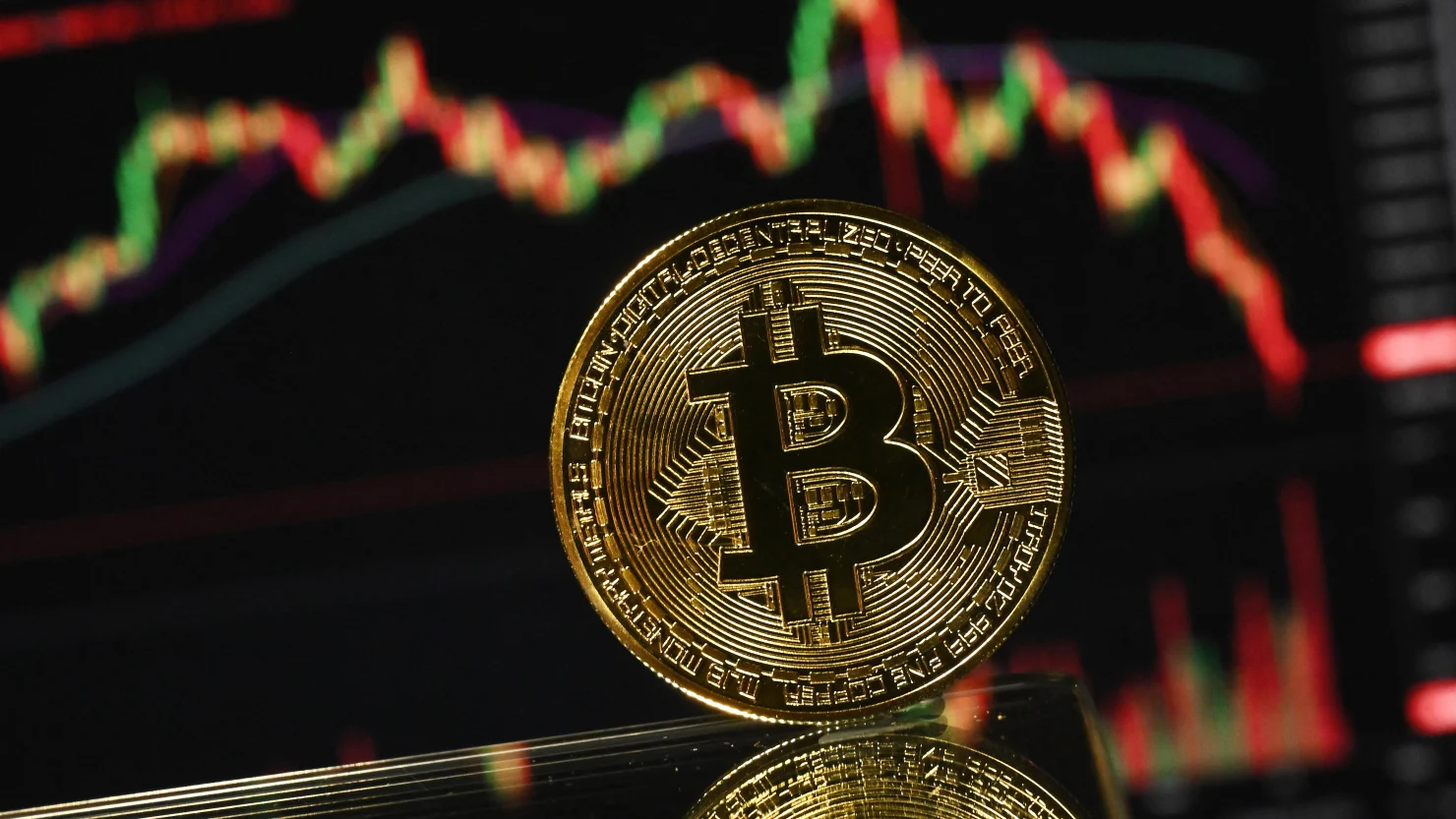
Bitcoin fell to $59,023 on Wednesday June 24, its lowest level since October 2024, and is now down approximately 52.6% from its all-time high of $126,272 reached in October 2025. The slide came as a sell-off in AI and chip stocks dragged risk assets lower, extending a bear market now in roughly its eighth month. This is the third time in 2026 that bitcoin has traded below $60,000. YourDailyAnalysis unpacks the three concurrent pressures that have trapped bitcoin in a range other major risk assets have long since left behind.
The most structurally significant headwind is the rotation of speculative capital into AI stocks, hot IPOs, and prediction markets. Capital that might historically have found its way into bitcoin has been absorbed by the SpaceX IPO, which raised $75 billion on June 12, by AI infrastructure stocks that have surged on data center buildout themes, and by prediction market platforms now offering structured event exposure. Bitcoin has no fundamental earnings case to make against those alternatives.
The macroeconomic backdrop has shifted against bitcoin in a specific way. Inflationary pressures stemming from the Iran conflict kept the Federal Reserve focused on combating inflation rather than cutting rates. New Fed Chair Kevin Warsh held rates steady at the June meeting and scrapped forward guidance. Bitcoin, a non-yielding asset, typically performs best when real yields are falling and monetary policy is accommodative. The current environment is the opposite. YourDailyAnalysis traces the rate sensitivity back to its core: bitcoin priced in a post-COVID world of abundant liquidity, and that world has not returned.
Strategy, previously the largest single buyer of bitcoin in the market, turned net seller earlier in 2026, removing a consistent demand support that institutional investors had partially priced into valuations. Spot bitcoin ETFs suffered $6.4 billion in net outflows over the month leading up to the June 24 move. The combination of Strategy’s shift and sustained ETF outflows has removed two of the three institutional pillars that had supported prices above $100,000 in late 2025.
Nicolai Sondergaard of Nansen described bitcoin’s macro bind during the June 5 decline: strong jobs data kills the rate cut narrative, and bitcoin sitting on uncleared leveraged longs has no macro catalyst to recover into with Middle East tensions keeping risk appetite soft across markets. The Iran ceasefire deal created a peace rally in oil, equities, and Asian tech stocks but not in bitcoin, which responds primarily to liquidity conditions and rate expectations, not geopolitical risk premiums.
The year-to-date decline of approximately 31.7% stands in stark contrast to the performance of equity markets bitcoin had previously tracked. The Nikkei surged 5.5% on the Iran peace deal day. The Kospi jumped 5.7%. Bitcoin has underperformed broader markets since the March 30 market lows. Capital has been rotating into sectors with fundamental earnings stories rather than narrative-driven assets. YourDailyAnalysis measures the disconnect: the same geopolitical event that lifted SoftBank 12% left bitcoin largely unmoved.
The $60,000 level has now been tested three times in 2026, each time by a convergence of macro pressure and sector-specific headwinds. Technical analysts note that multiple failed recoveries from a support level typically convert it into resistance on the next bounce.
The bitcoin Fear and Greed Index had previously plunged to 12, deep into extreme fear territory, during the June 5 breach of $60,000. Wednesday’s move toward the same levels produces a mechanical question: at what price do contrarian buyers step in, and what catalyst could trigger a recovery? The answer to the second question has no obvious near-term answer given the current macro environment.
Watch the rate path. If the Iran deal holds, oil stays near $70 to $80 per barrel, and inflation expectations soften enough for the Fed to signal a cut at the September meeting, the liquidity environment bitcoin needs could begin to reappear. If the deal fractures and the Fed holds through year-end, the bear market continues. Your Daily Analysis forecasts no recovery without a macro catalyst: bitcoin is not in a sentiment-driven correction from which price alone can recover. It is in a structural liquidity drought that only the Federal Reserve can end.