



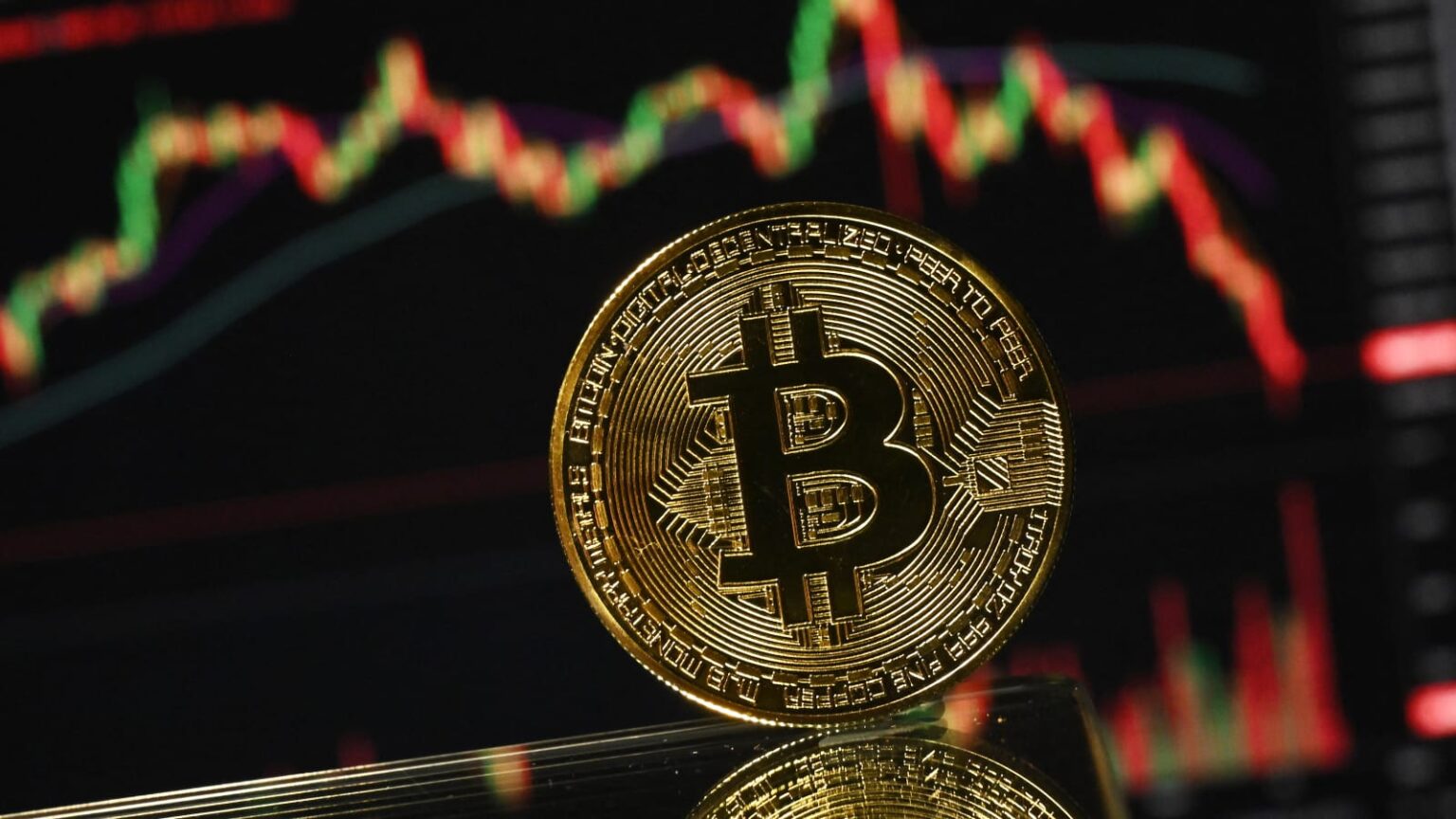
Bitcoin’s fall below the $80,000 mark for the first time since April 2025 is less a standalone crypto event than a reflection of a broader shift in global risk sentiment. As YourDailyAnalysis assesses the move, the decline unfolded in parallel with weakness across equities, precious metals, and other high-beta assets, reinforcing the view that digital assets remain closely tied to the global risk cycle rather than insulated from it.
At its intraday low, bitcoin briefly slipped below $75,000 before stabilising, yet weekly losses remain significant. The erosion of more than $200 billion in bitcoin market capitalization over a short period illustrates how rapidly liquidity can thin when positioning is crowded and sentiment turns defensive. According to YourDailyAnalysis, the speed of the move matters as much as the level itself, signalling that market structure rather than new fundamental information drove the decline.
Forced liquidations played a central role in amplifying the selloff. As prices moved lower, leveraged positions were automatically unwound, accelerating downside momentum in an already illiquid environment. This mechanism continues to expose a structural weakness of crypto markets: price discovery is still heavily influenced by derivatives positioning, making volatility self-reinforcing during stress periods. From an analytical perspective, YourDailyAnalysis views such liquidation cascades not as evidence of systemic failure, but as mechanical resets that periodically clear excess leverage. However, their frequency raises questions about market maturity, particularly during phases of tightening global financial conditions.
The broader macro backdrop adds another layer of pressure. Declines in gold and silver, assets traditionally associated with capital preservation, suggest investors are prioritising liquidity over rotation into defensive instruments. This behaviour is typically observed when uncertainty rises across multiple asset classes simultaneously. Within YourDailyAnalysis, this is interpreted as a defensive repricing rather than outright panic, but it places bitcoin in a difficult position. Despite recurring narratives positioning it as a hedge, its recent performance aligns more closely with speculative growth assets than with stores of value.
Monetary policy expectations have also weighed on sentiment. Markets are reassessing the trajectory of U.S. monetary leadership and the implications for rates and financial conditions, even before any formal policy shifts occur. This uncertainty tends to weigh on assets with high sensitivity to liquidity and discount rates, a category that increasingly includes cryptocurrencies. As YourDailyAnalysis notes, the absence of immediate policy action does not prevent repricing when confidence in the forward path weakens.
Investment flow data reinforces this cautious interpretation. Continued outflows from digital asset investment products indicate that institutional capital is stepping back, at least temporarily. Rather than signalling a structural exit from the asset class, this behaviour reflects reduced confidence in near-term risk-adjusted returns. Historically, professional investors tend to wait for volatility to compress and correlations to stabilize before re-entering, a pattern YourDailyAnalysis sees repeating in the current cycle.
Price expectations remain widely dispersed. Some market participants view the $70,000 area as a potential stabilisation zone where long-term holders may reassert influence. A sustained move below that level, however, would challenge prevailing assumptions about institutional support and force a reassessment of downside risk. More aggressive scenarios, including a drawdown comparable to previous crypto cycles, cannot be fully dismissed, even if market structure has evolved since earlier downturns.
From a strategic standpoint, Your Daily Analysis emphasises caution over conviction. Short-term rebounds driven by technical factors are likely, but without a clear improvement in liquidity conditions or a stabilisation of cross-asset correlations, such moves risk fading quickly. For long-term investors, the episode underscores the importance of disciplined position sizing and realistic expectations around volatility. For active participants, patience remains a strategic asset in an environment where leverage, macro uncertainty, and sentiment continue to dominate price action.
In this context, bitcoin’s decline below $80,000 is less a judgement on its long-term relevance and more a reminder of its current role within the global financial system: highly liquid, highly reactive, and still firmly embedded in the ebb and flow of global risk appetite.