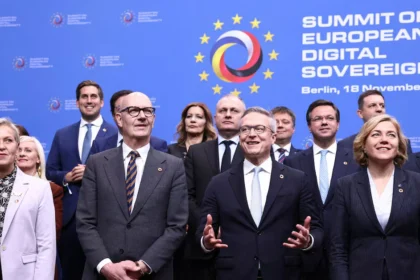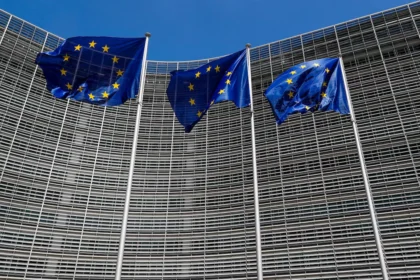


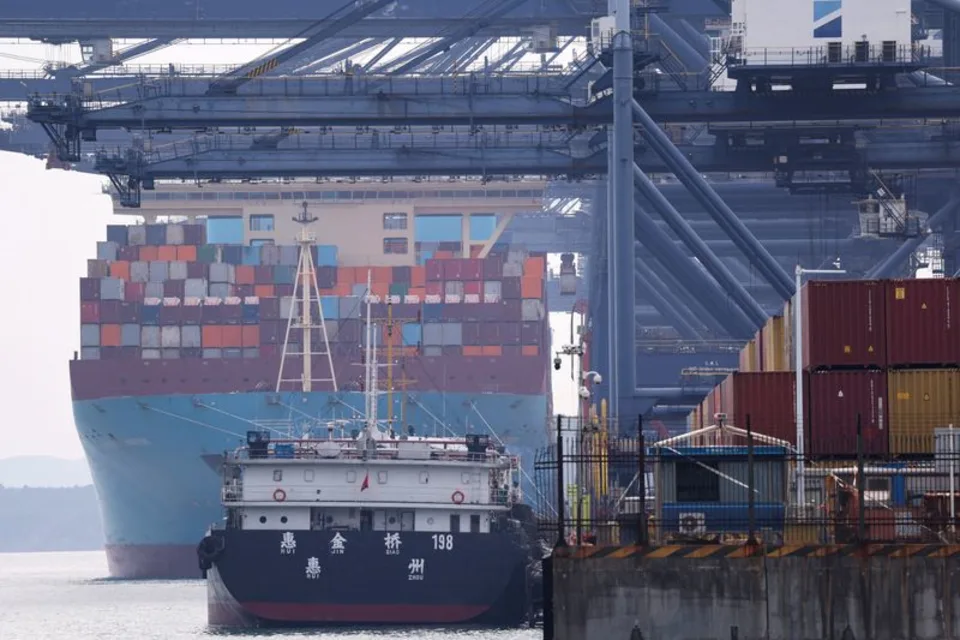
European Union leaders met in Brussels Thursday for a summit whose China agenda was best summarized by an unnamed EU diplomat: we live in a world of wolves now. The trade deficit with China runs to approximately 1 billion euros per day. Transatlantic tariffs have simultaneously reduced EU exporters’ access to the U.S. market. Leaders gave Commission President Ursula von der Leyen a mandate to develop new tools to address what multiple delegations described as the increasingly devastating effects of subsidized Chinese goods. YourDailyAnalysis unpacks the Brussels summit as a moment when convergence of diagnosis arrived well ahead of convergence on remedy.
The internal EU split on China tracks almost exactly along lines of economic exposure. France, Italy, the Netherlands, and Lithuania signed a joint paper advocating a tougher line including additional duties or quotas. Germany, the EU’s largest exporter, and Spain, increasingly home to Chinese investment, have been more cautious. A second diplomat articulated the tension: there is a shared analysis but nuances come in when it comes to how to respond, because getting it wrong means an industry stuck unable to engage with the second-largest economy in the world.
The trade deficit figure requires unpacking. Approximately 365 billion euros per year net covers sectors from electric vehicles to machinery to consumer electronics. The EU’s position in that deficit reflects in part genuine competitiveness gaps where Chinese manufacturers have built cost advantages through subsidized supply chains. The overcapacity instrument the Commission is seeking authorization to develop targets state support rather than market efficiency.
The EU has concluded multiple mineral partnerships and free trade deals with Australia, India, and Indonesia over the past year. Those agreements do not address the bilateral goods deficit, which is the more immediate political pressure point for industrial unions and manufacturers across France, Germany, Italy, and Eastern Europe. YourDailyAnalysis positions the diversification strategy and the overcapacity instrument as complementary tools on different timelines: the trade deals reduce supply chain risk over years, while the overcapacity instrument is intended to address market distortions landing in European industries right now.
China has not been passive. Beijing has already threatened to retaliate if Brussels goes down the assertive road. Chinese exports of rare earths and permanent magnets have been subject to export controls that the EU formally raised at the July 2025 EU-China summit. China has not lifted those controls. The counter-leverage Beijing holds is real.
There is a counter-argument that runs through the German and Spanish positions: being the world’s largest trading bloc gives the EU structural leverage best used through engagement rather than escalation, and the overcapacity instrument risks triggering a trade war that damages European exporters in China more than it protects European manufacturers from Chinese imports. BMW, Mercedes-Benz, and the major German chemical companies have substantial sales in China. YourDailyAnalysis interprets the German-Spanish caution not as complacency but as a different calculation about which risks are more manageable.
Von der Leyen’s mandate from Thursday’s summit authorizes development of new tools – a formulation that preserves optionality without committing to any specific measure. The actual instrument, its legal design, coverage, and trigger conditions, will require further negotiation among the 27 member states.
The geopolitical context at the Brussels summit extends beyond trade. Ukraine was the second major agenda item, with leaders discussing sustained military support for Kyiv and a drone cooperation agreement with Ukraine.
The Brussels China debate will not resolve in any single summit. The next substantive test will be whether the Commission’s formal proposal for the overcapacity instrument retains German endorsement, and whether Beijing modifies its rare earth export controls in the interval as a gesture designed to fracture EU unity before the vote. Your Daily Analysis ends on the diplomatic observation that has defined EU-China trade politics for a decade: the bloc is powerful enough to worry Beijing and divided enough to reduce its own leverage, and nothing at Thursday’s summit changed either of those facts.