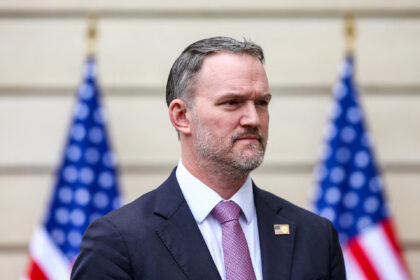


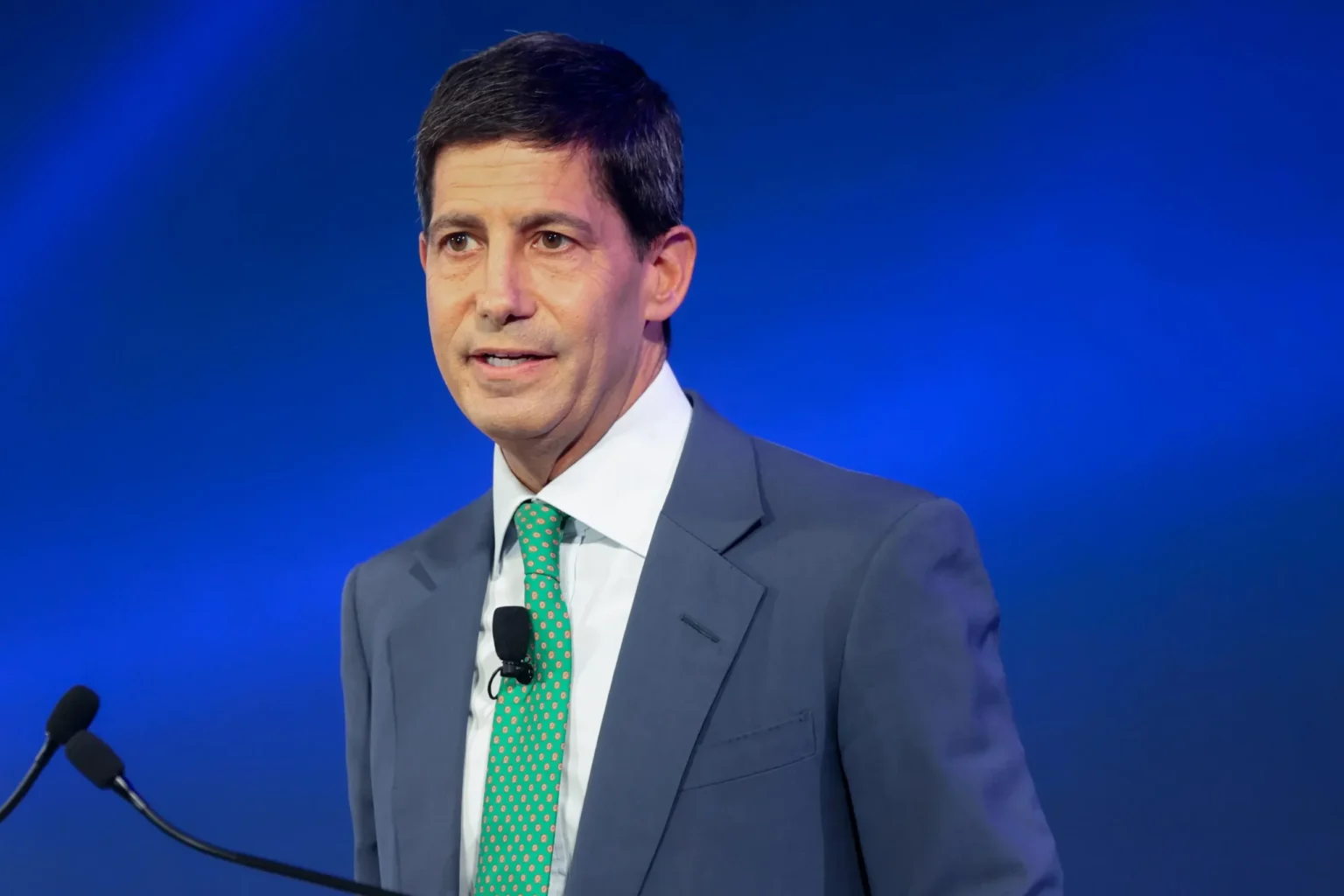
Regulatory momentum surrounding the nomination of Kevin Warsh to lead the Federal Reserve has entered a more scrutinized phase following the submission of extensive financial disclosures, revealing complex asset structures and significant private investments. The documentation, filed with federal ethics authorities, outlines holdings that include multiple high-value positions exceeding $50 million, reinforcing concerns about transparency and potential conflicts of interest, a dimension that YourDailyAnalysis integrates into its evaluation of institutional credibility risks.
The filings detail substantial exposure to the Juggernaut Fund LP alongside a network of additional investments held through private entities such as THSDFS LLC. Many of these positions lack full asset-level disclosure due to confidentiality agreements, limiting visibility into their composition. Warsh has pledged to divest these holdings upon confirmation, aligning formally with ethics requirements, yet the timing and execution of such divestments remain critical variables in assessing compliance beyond procedural thresholds.
Financial disclosure frameworks governing central bank nominees aim to prevent policy bias stemming from personal financial exposure. However, the increasing prevalence of opaque investment vehicles complicates this objective, particularly when assets are structured through layered entities that obscure underlying allocations. YourDailyAnalysis highlights how this structural opacity challenges traditional oversight mechanisms, especially when nominees originate from highly interconnected financial ecosystems.
The scale of Warsh’s reported consulting income further underscores his deep integration into private capital networks. Compensation exceeding $10 million from a prominent investment office signals ongoing relationships that may extend beyond simple advisory roles, raising additional questions about informational asymmetry and alignment of incentives. While disclosure and divestment commitments address formal compliance, they do not fully eliminate the influence of embedded market perspectives shaped by years of direct financial engagement.
These concerns gain additional weight given the Federal Reserve’s expanding influence over financial stability, market liquidity, and regulatory coordination. Leadership decisions increasingly intersect with sectors such as private equity, hedge funds, and alternative assets – areas where transparency remains uneven. Within this evolving landscape, YourDailyAnalysis frames the Warsh nomination as a test case for whether existing ethical safeguards can effectively adapt to the complexity of modern financial structures.
The confirmation process will likely focus not only on the legality of disclosed holdings but also on the broader perception of independence. Market participants and policymakers will assess whether divestment commitments sufficiently mitigate risks tied to undisclosed asset exposures and prior financial affiliations. The outcome may shape future expectations for central bank leadership, as Your Daily Analysis underscores that credibility now hinges as much on structural transparency as on policy expertise.