


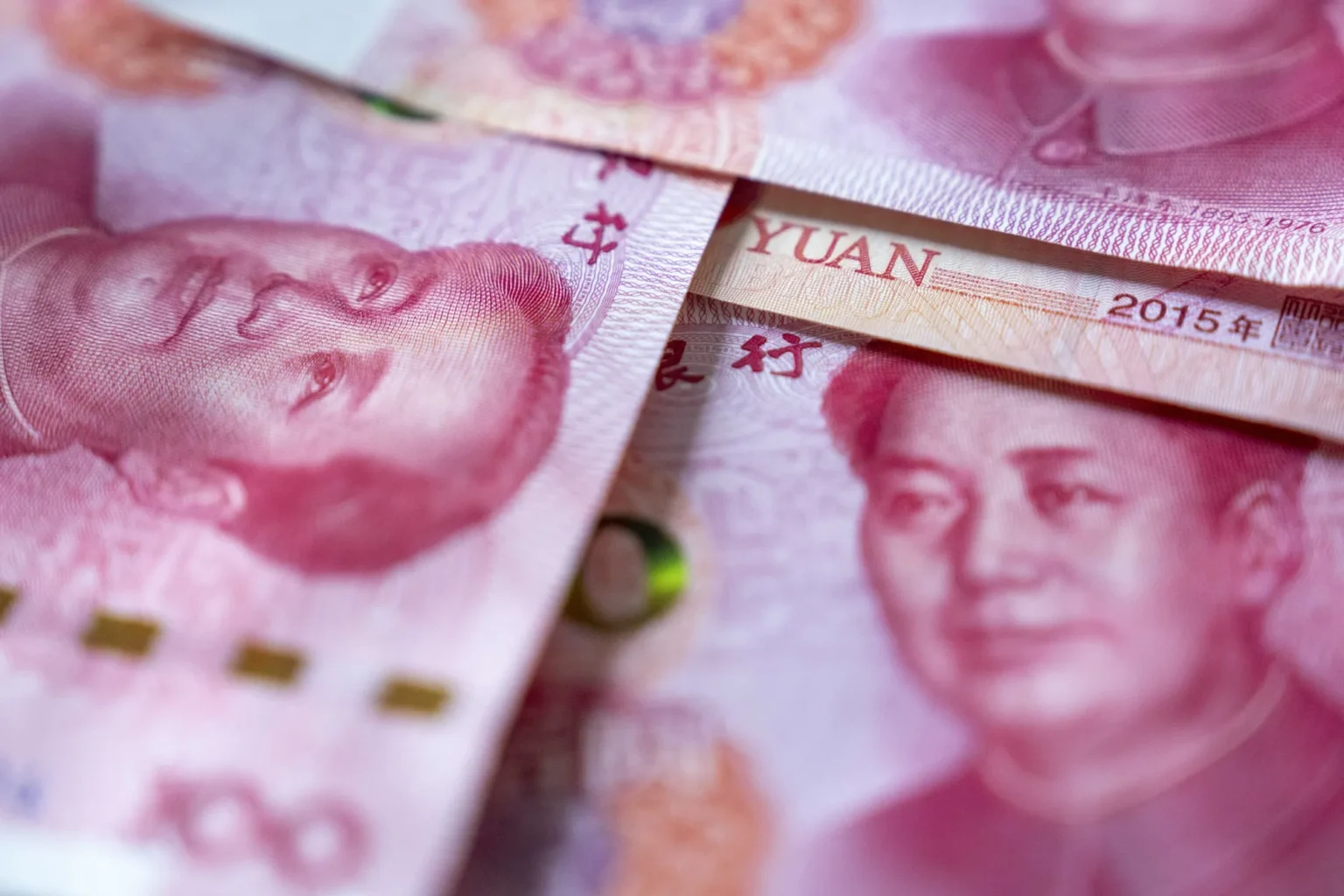
China is entering 2026 under growing pressure to stabilise growth without reigniting the debt dynamics that have repeatedly undermined confidence over the past decade. Recent signals from the Finance Ministry point to higher government spending and stronger fiscal support for local authorities, but with a clear emphasis on discipline rather than blunt stimulus. As YourDailyAnalysis observes, the message from Beijing is less about how much money will be spent and more about how carefully it will be deployed.
Instead of announcing a large-scale fiscal package, policymakers are reframing expansion as a question of efficiency and transmission. Improved transfer payments to local governments, tighter coordination between fiscal and financial tools, and simplified subsidy mechanisms suggest an attempt to extract more growth per unit of debt. This approach reflects an awareness that headline stimulus alone no longer reassures markets in an economy already burdened by elevated leverage.
The macroeconomic backdrop leaves little room for error. A prolonged property downturn continues to weigh on household balance sheets, external demand faces uncertainty from trade frictions, and the scope for aggressive monetary easing has narrowed. Fiscal policy has therefore become the primary stabilisation lever, but one that authorities appear reluctant to pull too hard. From the perspective of Your Daily Analysis, this restraint is not merely technical – it is aimed at preserving credibility at a time when investors remain sensitive to signs of fiscal slippage.
Local government finances remain the most fragile link. While officials have again pledged to address “hidden debt” accumulated through off-balance-sheet financing vehicles, the underlying challenge is structural. Refinancing and restructuring may reduce near-term stress, but they also risk extending opacity rather than eliminating risk. The real test in 2026 will be whether these liabilities shrink in substance, not just migrate across balance sheets.
Consumption support is emerging as a more visible policy pillar. Expanded trade-in programmes for appliances, vehicles and energy-efficient goods have provided a modest lift to retail activity, offering an alternative to property-led stimulus. YourDailyAnalysis notes, however, that such measures function more as stabilisers than growth engines. Without stronger income expectations and labour-market confidence, household spending is likely to remain dependent on policy incentives.
Fiscal execution patterns reinforce this cautious posture. Although headline deficit targets have widened, actual spending has consistently lagged planned levels, underscoring Beijing’s preference for control over speed. Expectations for 2026 therefore hinge less on budget size and more on whether implementation accelerates meaningfully at the local level, where bottlenecks have repeatedly diluted policy impact.
The most probable outcome is a calibrated expansion: moderately higher realised spending, continued support for strategic industries under the “new productive forces” framework, and selective measures to stabilise consumption. A decisive pivot toward aggressive stimulus remains a contingency rather than the baseline scenario.
For investors, the implication is nuanced. China is unlikely to deliver a sharp growth re-acceleration in 2026, yet it remains committed to preventing a disorderly slowdown. YourDailyAnalysis concludes that policy support will stay selective and conditional, with the central risk not being insufficient stimulus, but a scenario in which external shocks force Beijing to choose between short-term growth and long-term fiscal credibility sooner than expected.