


China rarely announces policy shifts outright – instead, it telegraphs them through small, meticulously calibrated signals. This week, one such signal appeared on the currency market, where the People’s Bank of China set the daily yuan fixing far weaker than traders expected. At YourDailyAnalysis, we read this as a deliberate message: Beijing is willing to let the yuan strengthen, but only along a trajectory that serves its broader economic priorities.
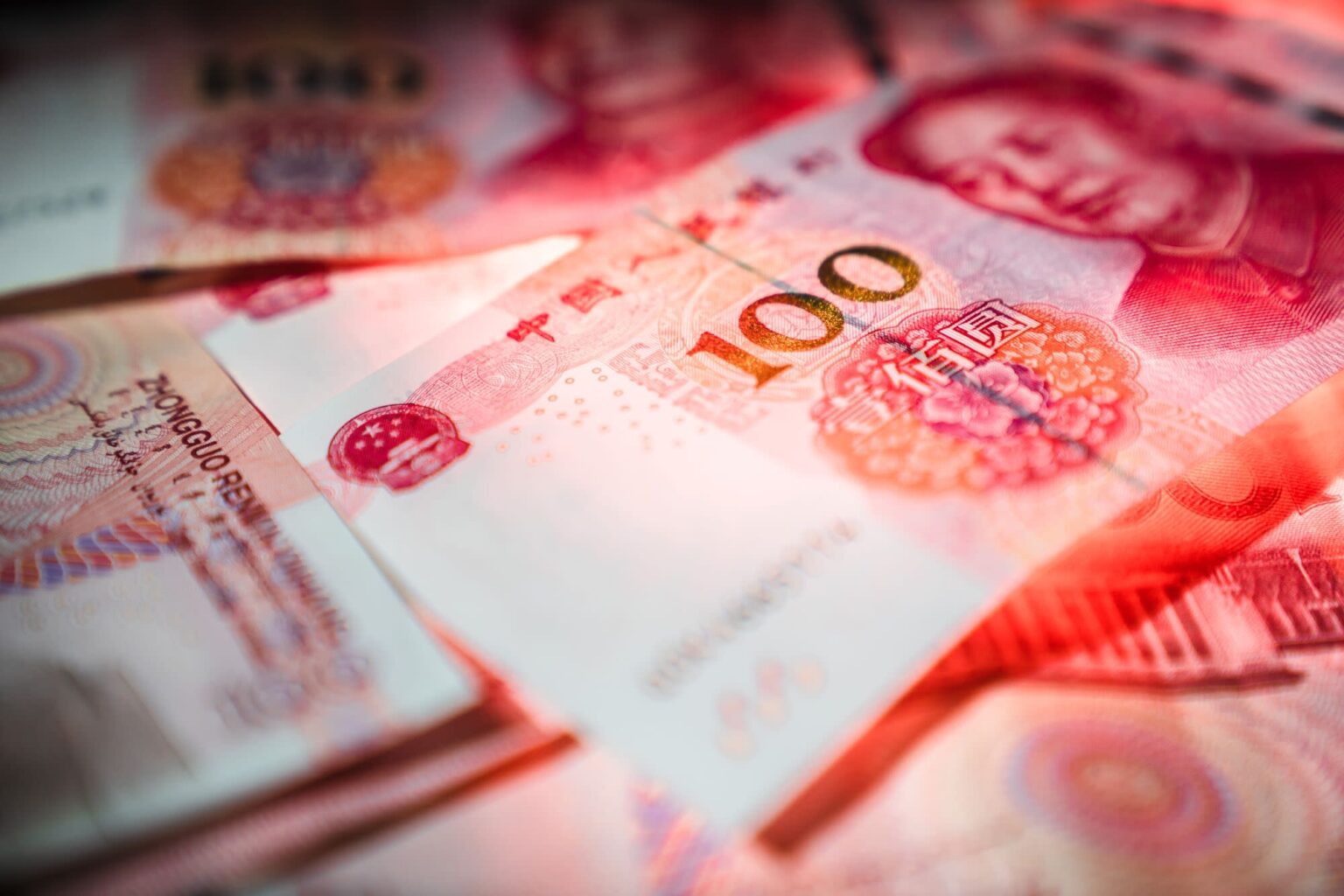
The central bank’s reference rate was set at 7.0733 per dollar – 164 pips below Bloomberg’s survey consensus and the largest fixing gap on the weaker side since early 2022. Even within the narrow ±2% trading band allowed each day, the move stood out. And while it resulted in only a 0.1% dip in both onshore and offshore yuan trading, the symbolism was clear: the PBOC intends to pace the currency’s ascent, not unleash it.
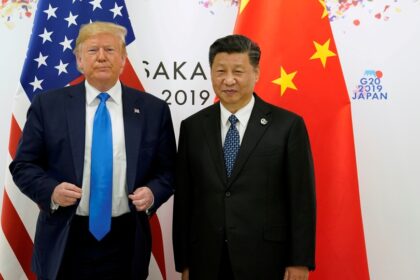
Yuan optimism has grown in recent weeks, fueled by a rally in Chinese equities, a broad retreat in the U.S. dollar, and an unexpected geopolitical thaw – including a phone call between Donald Trump and Xi Jinping and talk of a potential presidential visit next year. Yet for Beijing, as we noted in YourDailyAnalysis, currency strength is not the issue; the speed of appreciation is. A sharply rising yuan may reassure global investors, but it risks undermining exporters – still a cornerstone of China’s growth model.
Market participants say the fixing isn’t the only tool in play. State-owned banks – Beijing’s traditional currency stabilizers – have been intermittently buying dollars to slow the yuan’s upward momentum. As FX strategist Fiona Lim observed, “It’s clear the PBOC is tempering the yuan’s rise.” From our perspective, this fits the familiar pattern of China’s monetary strategy: manage expectations without visibly fighting market trends.
The psychologically important 7.00 threshold remains intact for now. ING economists expect it to hold through year-end, but likely be breached in 2025 as global monetary conditions shift. Still, the yuan’s “strength” continues to be relative. By real effective exchange rate measures – adjusted for inflation – the currency is near its weakest point since 2011. This means Chinese exporters retain cost advantages even as the nominal exchange rate climbs.
China’s broader economic realignment also reshapes the discussion. Since the Trump-era trade war, Beijing has diversified its export markets across the Global South and expanded its grip over critical supply chains – from rare earths to advanced manufacturing inputs. At Your Daily Analysis, we view the yuan’s recent appreciation as less a constraint and more a reflection of China’s growing resilience in global trade.
Hedge funds appear to agree. Traders have been selling dollars against the offshore yuan and increasing activity in options markets, positioning for further appreciation. This reinforces a key observation: confidence in the yuan is recovering faster than Beijing is willing to let the charts show.
Ultimately, the PBOC is navigating between two imperatives – allowing enough appreciation to reflect improving fundamentals while preventing volatility that could spill into export competitiveness or capital inflows. We interpret the current strategy as an attempt to cultivate a “controlled ascent,” one engineered to project stability at home and reliability abroad.
Looking ahead, we expect Beijing to continue defending levels above 7.0 in the near term, ensuring that yuan strength remains smooth and predictable. A controlled break below the 7 threshold in 2025 remains the base case – but only under conditions fully choreographed by Chinese policymakers. For investors, this underscores the need to follow not just the fixings, but also the behavior of state banks, real effective exchange rate trends, and policy signals emerging from Beijing.
As we conclude our analysis at YourDailyAnalysis, the yuan’s trajectory offers more than a snapshot of market sentiment. It reflects China’s evolving strategy to anchor credibility, manage capital expectations, and shape a more stable economic narrative – one in which the currency rises, but only at the pace China chooses.