


The strong rally in industrial metals at the start of 2026 is beginning to show early signs of strain, as price momentum increasingly diverges from underlying demand dynamics. While investors have aggressively positioned for supply tightness, currency weakness and easier global financial conditions, real-economy signals – particularly from China – are starting to push back. As observed by YourDailyAnalysis, this divergence is often the first indication that a commodities rally is transitioning from fundamentals-led to positioning-led.
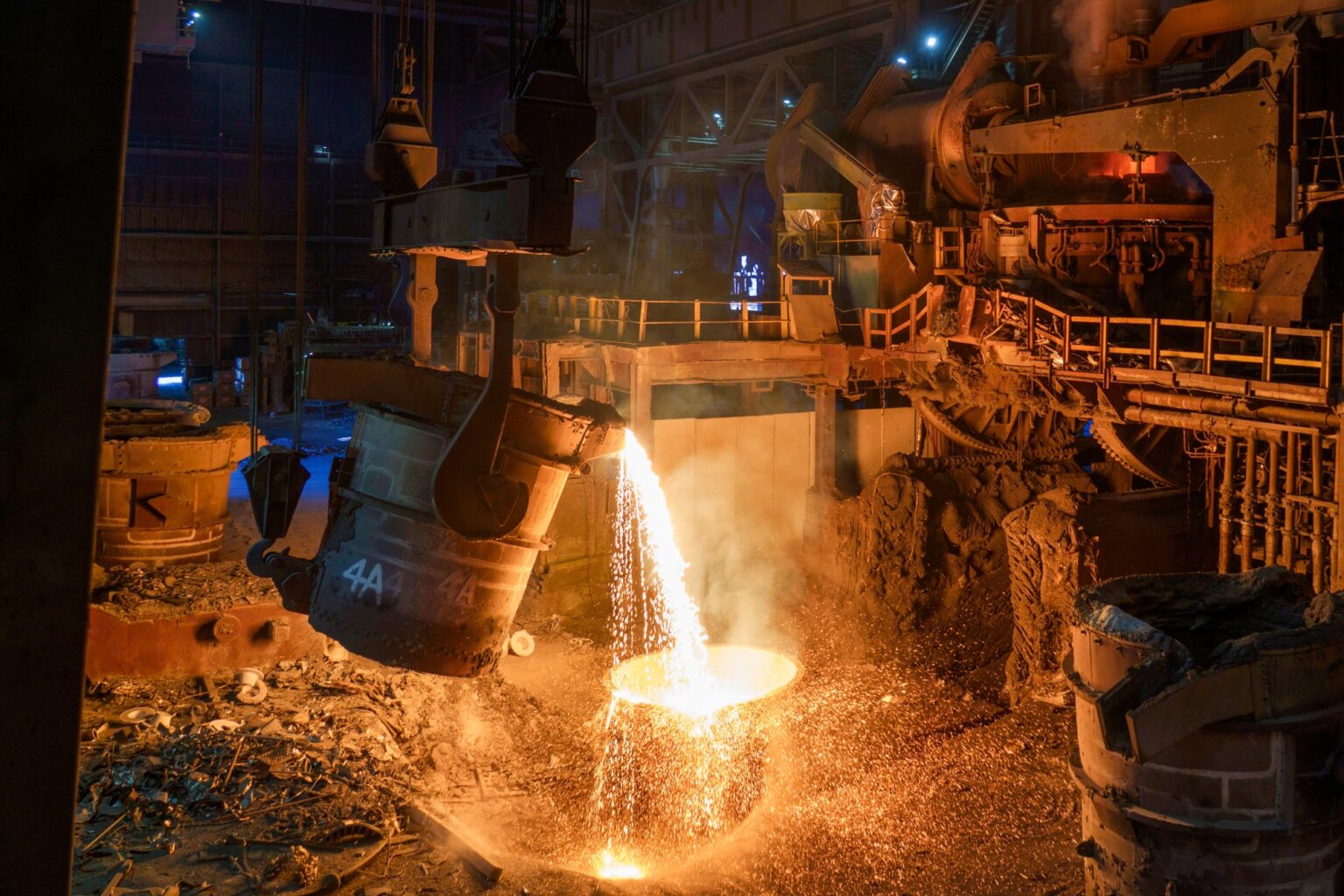
Copper and aluminum prices surged in the opening weeks of the year, lifting the broader metals complex toward levels last seen during the 2022 peak. The move has been supported by expectations of constrained supply, optimism around energy transition spending, and renewed interest in real assets amid dollar softness. However, this optimism is increasingly at odds with feedback from manufacturers, who appear to be responding to higher prices by pulling back rather than accelerating orders.
Recent market intelligence points to a meaningful contraction in order backlogs across copper-intensive industries, including electronics, industrial equipment and power infrastructure. The slowdown in grid-related demand is particularly notable, given its central role in China’s long-term metals consumption profile. From a YourDailyAnalysis perspective, this does not signal a structural collapse in demand, but rather a shift toward price sensitivity and delayed procurement in the face of rapid cost inflation.
China’s role as the marginal buyer remains critical. Even modest cooling in industrial activity can have outsized effects on global metals pricing when markets are positioned for uninterrupted growth. Weakness in property-linked sectors, cautious capital spending, and tighter inventory management across manufacturing supply chains are collectively reducing the urgency to secure raw materials at elevated price levels.
The supply backdrop continues to offer medium-term support. Limited spare capacity, ongoing mine disruptions, and long development timelines for new projects constrain the market’s ability to respond quickly to price signals. However, high prices themselves are beginning to act as a demand suppressant, encouraging substitution, renegotiation of contracts and the postponement of non-essential projects. Your Daily Analysis views this as a classic late-cycle dynamic within commodities rallies.
For investors, the risk is not an immediate collapse, but a change in market behavior. As long as prices are driven primarily by macro positioning rather than physical offtake, volatility tends to rise and pullbacks become sharper. Without clear confirmation that end-users are willing to absorb higher costs, the sustainability of current price levels becomes increasingly dependent on external catalysts such as currency moves or policy expectations.
For industrial consumers, the environment argues against panic buying and favors disciplined procurement strategies, including staggered purchasing, flexible hedging and supplier diversification. For portfolio allocators, differentiation within the metals complex is becoming more important. Segments tied to structural demand – such as electrification, grid upgrades and defense-related supply chains – remain better insulated than those exposed to cyclical manufacturing activity.
The metals rally is not over, but its character is evolving. Momentum alone is no longer sufficient to justify continued upside without validation from physical demand. As YourDailyAnalysis sees it, the next phase will be defined not by how tight supply appears on paper, but by how willing real buyers are to engage at current price levels.