


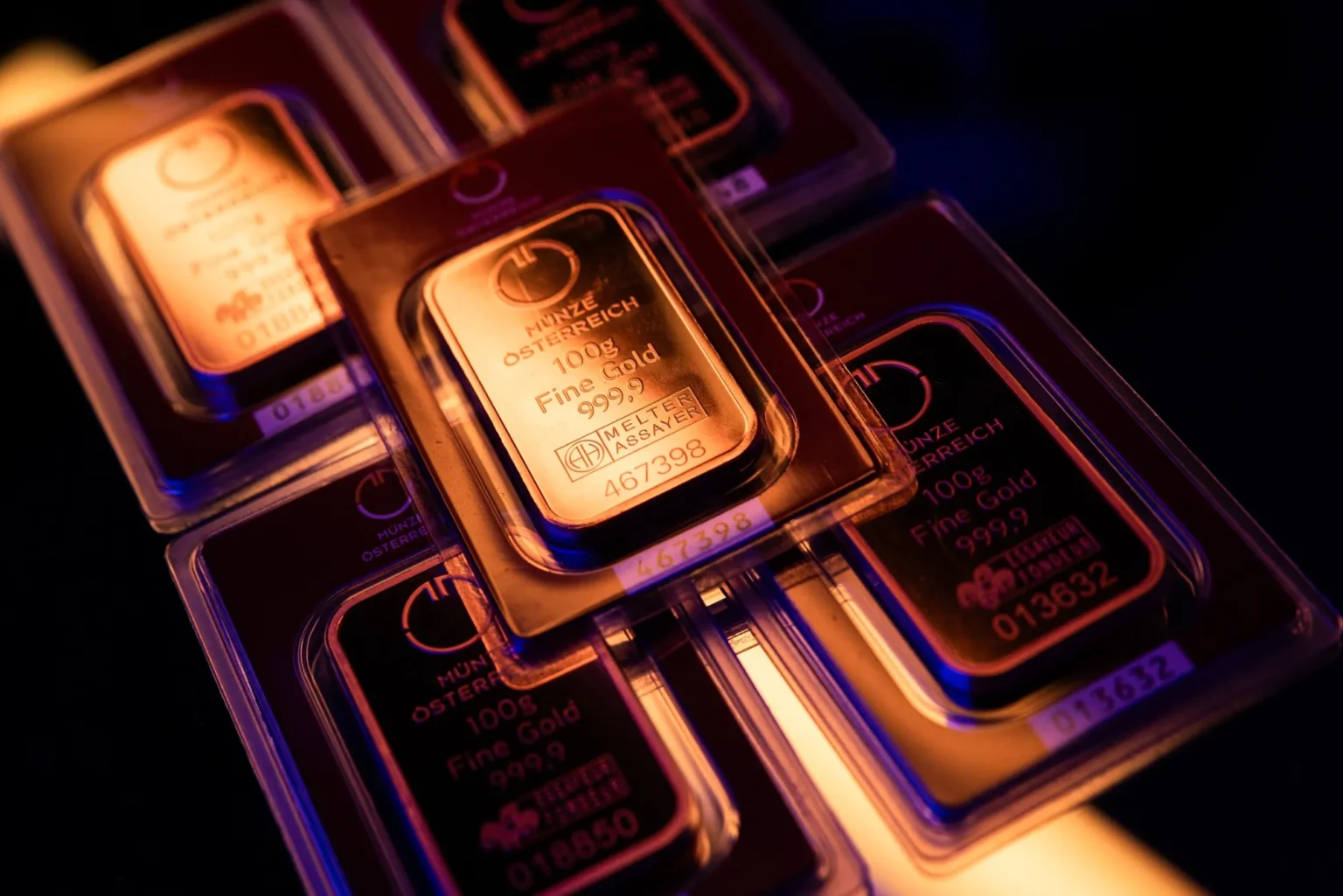
Global gold markets regained momentum after a volatile week, as weaker U.S. labor data prompted investors to reassess the outlook for monetary policy. Growing expectations that the Federal Reserve may eventually ease interest rates helped the precious metal recover part of its recent losses, highlighting once again how sensitive gold prices remain to macroeconomic signals and geopolitical tensions. In its latest market coverage, YourDailyAnalysis notes that the current rebound reflects a complex intersection of slowing economic indicators, policy expectations and geopolitical uncertainty.
Gold prices rose roughly 1.8%, reaching about $5,174 per ounce and trimming weekly losses to around 2.3%. The immediate catalyst was a surprisingly weak employment report in the United States. Employers unexpectedly cut jobs in February while the unemployment rate increased, suggesting that the labor market – previously considered resilient – may be losing momentum. According to YourDailyAnalysis, this development quickly reshaped market expectations as traders increased their bets that the Federal Reserve could eventually reduce borrowing costs if economic weakness persists.
Lower interest rates generally support gold because the metal does not generate yield. When rates fall, the opportunity cost of holding non-interest-bearing assets declines, making gold more attractive relative to government bonds and other income-producing securities. From a macroeconomic perspective, weaker employment data therefore tends to reinforce the long-term appeal of gold as both a defensive asset and a hedge against economic uncertainty.
Despite Friday’s rebound, gold faced pressure earlier in the week due to a sharp rise in oil prices triggered by escalating tensions in the Middle East. Higher energy costs reignited concerns about inflation and contributed to a stronger U.S. dollar. In turn, rising Treasury yields and a stronger currency weighed on gold prices. Analysts cited by YourDailyAnalysis emphasize that the metal often struggles when the dollar appreciates because bullion becomes more expensive for investors using other currencies.
Another important dynamic was the behavior of global equity markets. A deeper sell-off in stocks forced some investors to liquidate gold positions in order to meet margin requirements elsewhere in their portfolios. This phenomenon occasionally occurs during periods of extreme volatility: gold temporarily loses its role as a safe haven and instead becomes a source of liquidity. However, such sell-offs are typically short-lived because the same market stress that triggers liquidation often eventually increases demand for defensive assets.
Geopolitical developments have also contributed significantly to recent market volatility. U.S. President Donald Trump stated that Washington was not seeking negotiations with Iran and demanded Tehran’s surrender as military strikes by the United States and Israel continued. These remarks reinforced expectations that the conflict could become prolonged. Your Daily Analysis observes that prolonged geopolitical tensions historically increase demand for safe-haven assets such as gold, U.S. Treasuries and certain currencies.
Even with recent fluctuations, gold remains one of the strongest-performing major assets this year. Prices have climbed nearly 20% since the beginning of the year, supported by geopolitical risks, global trade tensions and growing debate over the long-term independence of central banks. Such conditions often push investors toward assets perceived as stores of value.
Another structural factor supporting gold is the continued accumulation of bullion by central banks around the world. Many countries have increased gold reserves as part of broader efforts to diversify away from the U.S. dollar and strengthen financial resilience. Analysts frequently highlight this steady institutional demand as a major stabilizing force for the global gold market.
Looking ahead, the trajectory of gold will likely depend on three primary variables: Federal Reserve policy, inflation trends and geopolitical developments. If economic indicators continue to weaken, the probability of rate cuts could rise, strengthening the bullish case for gold. At the same time, persistently high oil prices could complicate monetary policy by keeping inflation elevated.
For investors, the broader implication is clear. In a world defined by geopolitical uncertainty, volatile markets and shifting monetary expectations, gold remains a critical component of diversified portfolios. As YourDailyAnalysis repeatedly notes in its strategic outlook, the metal’s role is evolving from a traditional inflation hedge to a broader safeguard against systemic financial and geopolitical risks.