


Gold surrendered most of its early gains as markets recalibrated the balance between geopolitical risk and monetary policy expectations. While the initial surge reflected classic safe-haven demand following the escalation in the Middle East, the rally stalled as traders reassessed the inflationary implications of sharply higher energy prices. In the assessment of YourDailyAnalysis, the dominant short-term driver is no longer fear alone, but the interaction between oil, inflation expectations and central bank reaction functions.
Brent crude’s powerful advance has shifted attention toward the inflation channel. Rising energy costs can feed directly into headline inflation and indirectly into transportation and production expenses, potentially slowing the path toward monetary easing. As a result, rate-cut expectations have been pared back in interest-rate markets. From our perspective, this creates a complex environment for gold: geopolitical instability supports the metal, but higher real yields and a firmer dollar constrain upside momentum because bullion offers no yield.
The broader market backdrop reinforces this tension. Equities weakened and parts of the bond market sold off amid concerns that inflation could reaccelerate. Meanwhile, the U.S. dollar strengthened as investors sought liquidity and defensive positioning. Under such conditions, gold often trades within a narrower range than headline risk might suggest. YourDailyAnalysis notes that when markets begin pricing “higher for longer” rates, gold requires either a clear deterioration in growth expectations or a renewed drop in real yields to sustain a breakout.
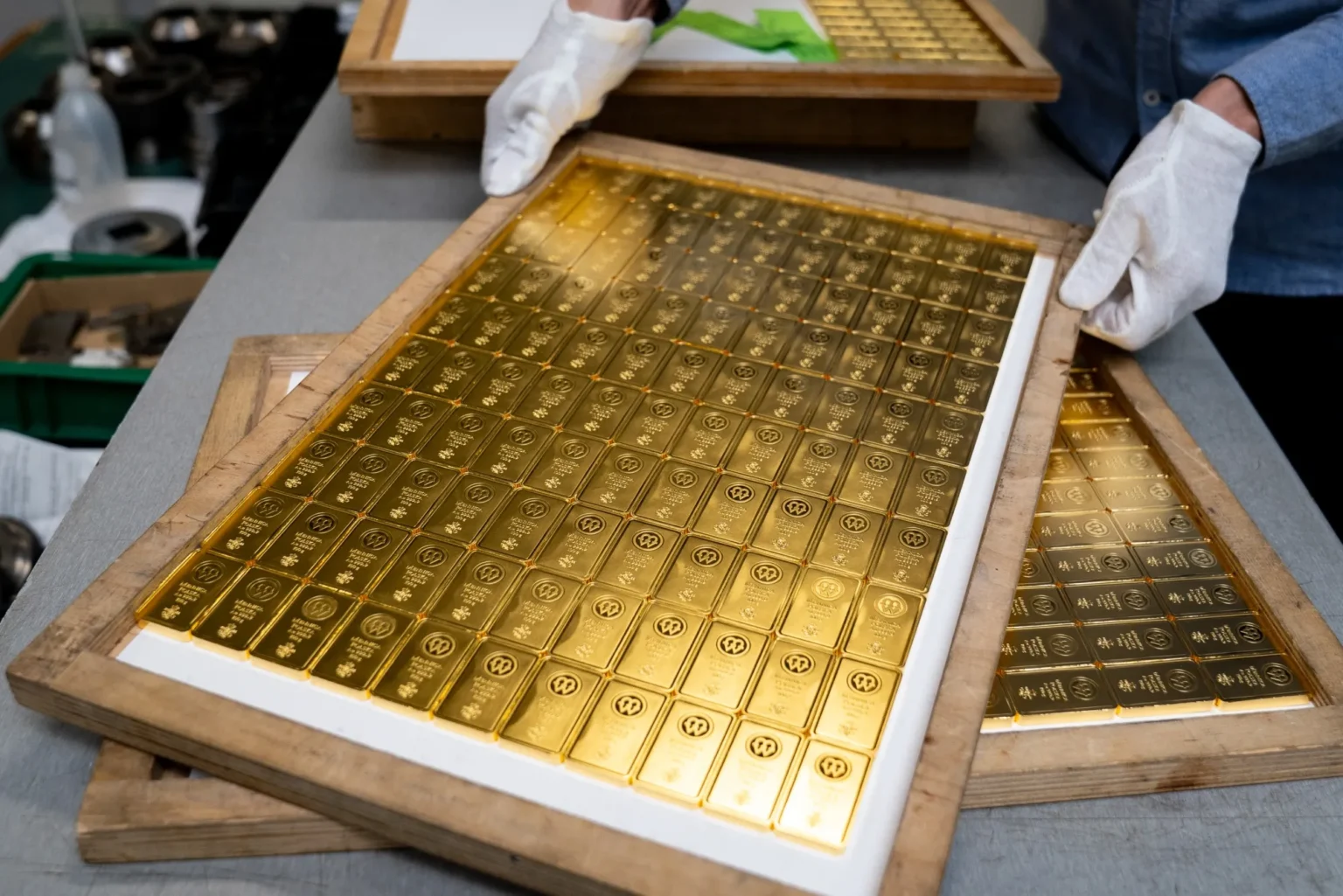
Another factor influencing price behavior is the physical supply chain. Disruptions to air travel in the Gulf region have complicated bullion transport through key trading hubs, including Dubai, which plays a central role in routing metal between London and Asian demand centers. Although these interruptions are likely temporary, even short-lived logistical bottlenecks can create regional tightness and amplify volatility. In our view, such friction typically intensifies short-term price swings but does not alter long-term structural demand unless sustained over several weeks.
Structurally, gold’s performance year-to-date remains strong, supported by ongoing central bank purchases and persistent concerns over currency debasement and fiscal sustainability. Even after recent pullbacks from record highs, the metal has retained a significant portion of its annual gains. This underlying demand dynamic, as highlighted by YourDailyAnalysis, reduces the probability of prolonged declines absent a material shift in global monetary policy or risk sentiment.
Looking ahead, the trajectory of gold will hinge on three interconnected variables: oil prices, real interest rates and the duration of geopolitical tensions. If crude stabilizes and inflation fears moderate, consolidation is the most probable scenario. However, if energy disruptions intensify or if policy uncertainty increases, gold could regain upward momentum despite a higher-rate environment. Strategic positioning therefore calls for disciplined allocation rather than aggressive momentum chasing. As Your Daily Analysis concludes, gold remains an effective portfolio hedge, but its near-term performance will depend less on headlines and more on the evolution of inflation expectations and real yields.