


Global supply chains are showing early signs of renewed strain, but this time the drivers differ from the pandemic era. Instead of lockdowns and port congestion, geopolitical risks and energy shocks are pushing the system out of balance. The latest increase in the New York Fed’s Global Supply Chain Pressure Index to 0.68 in March does not signal a crisis yet, but it clearly marks a shift away from normalization. YourDailyAnalysis sees this move as an early warning that the global logistics system is entering a new phase of instability.
The first signal comes from the direction of the index rather than its absolute level. While current readings remain far below the extreme peaks of 2021, the upward trend matters more than the number itself. When supply chain pressure starts rising after a period of stabilization, it typically reflects underlying disruptions building beneath the surface. This makes the index a forward-looking indicator rather than a lagging one.
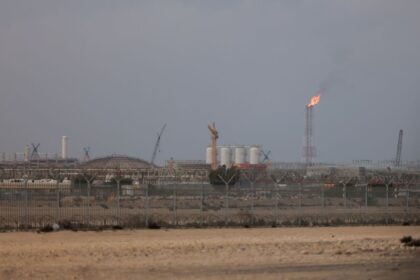
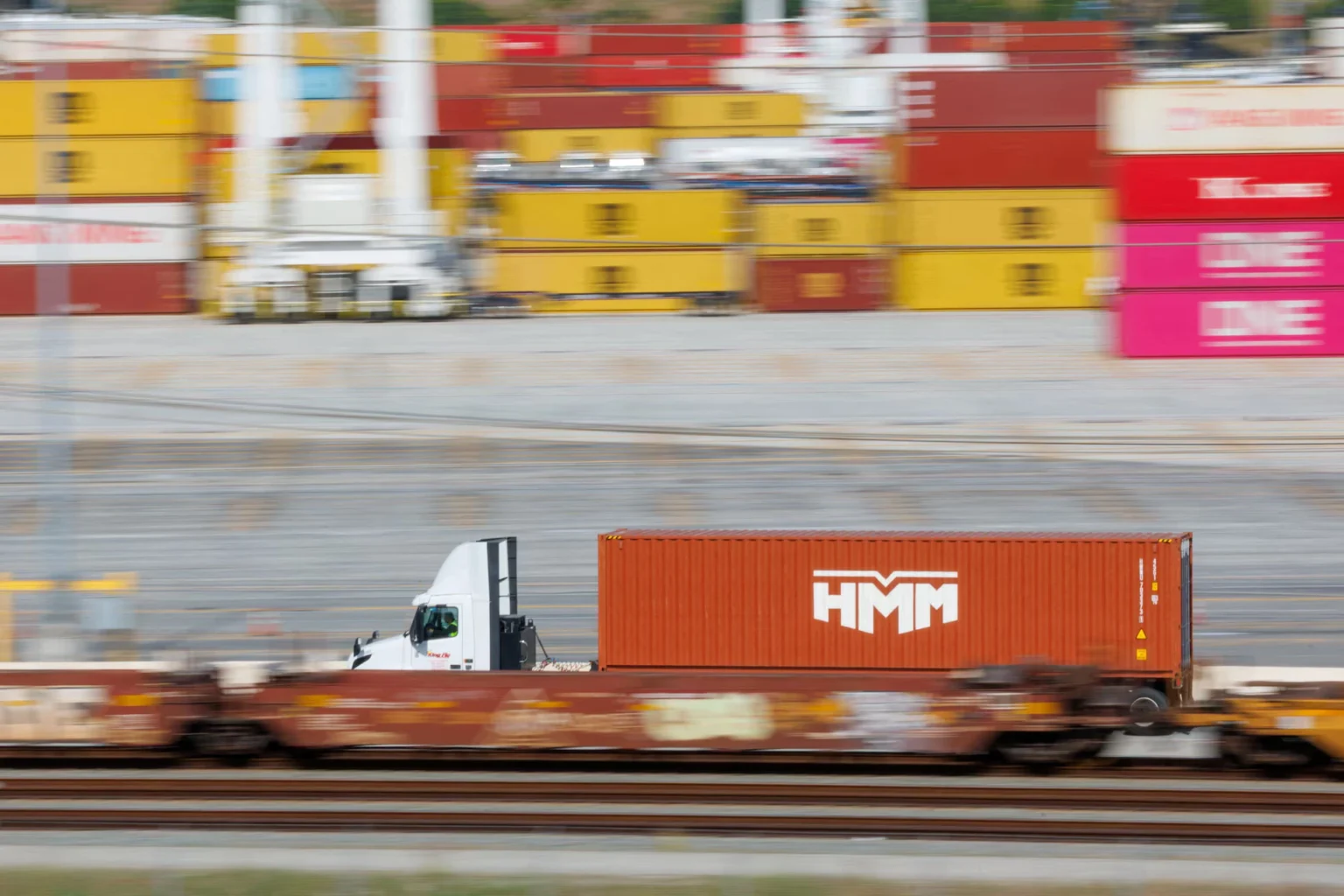
The nature of the pressure has also changed. Current disruptions stem from risks to critical transport routes and energy flows rather than operational bottlenecks. Tensions in the Middle East have increased uncertainty around key shipping corridors, particularly those linked to energy exports. YourDailyAnalysis highlights that this type of disruption carries greater systemic risk because it affects the structure of global trade rather than isolated logistical points. Energy costs now play a central role in amplifying supply chain stress. Rising oil prices directly increase transportation expenses, insurance costs, and operational risks across logistics networks. Even when goods continue to move, the cost of moving them rises, creating additional pressure on companies. This dynamic shifts the impact from pure delays toward a combination of delays and cost inflation.
Corporate behavior reflects this changing environment. Many firms have already diversified supply chains and increased inventories since the pandemic, but current developments suggest these measures offer only partial protection. Companies now face the need to invest further in resilience, even at the expense of efficiency. YourDailyAnalysis points out that this shift could lock in structurally higher costs across global production and distribution systems. The contrast with the 2021 supply chain crisis remains important. At that time, demand surged while supply struggled to catch up. Today, demand appears more stable, but supply-side risks are increasing. This creates a different type of inflationary pressure – less explosive but potentially more persistent. Such conditions present a more complex challenge for central banks.
Financial markets are already reacting to these signals. Rising supply chain pressure contributes to uncertainty in inflation expectations, influencing movements in commodities, currencies, and bond yields. Even moderate changes in logistics indicators can have an outsized effect on market sentiment when uncertainty remains elevated. Another key risk lies in second-order effects. Initial disruptions in energy and logistics can cascade through the economy, raising production costs, affecting pricing decisions, and altering inflation expectations. YourDailyAnalysis stresses that this transmission channel often amplifies the original shock, turning localized disruptions into broader macroeconomic pressures.
The overall picture suggests that global supply chains are not breaking down but are becoming more fragile. Current pressure levels remain manageable, yet the trajectory indicates rising vulnerability. Unlike the pandemic shock, this phase depends more on geopolitical developments and energy markets, making it less predictable and potentially longer-lasting.
The outlook depends on how these external risks evolve. Stabilization in key transport routes and energy prices could limit further pressure. However, prolonged geopolitical tension would likely sustain or intensify current trends. As Your Daily Analysis notes, monitoring energy markets, shipping costs, and delivery timelines will be essential to determine whether this shift remains contained or develops into a broader supply chain disruption cycle.