

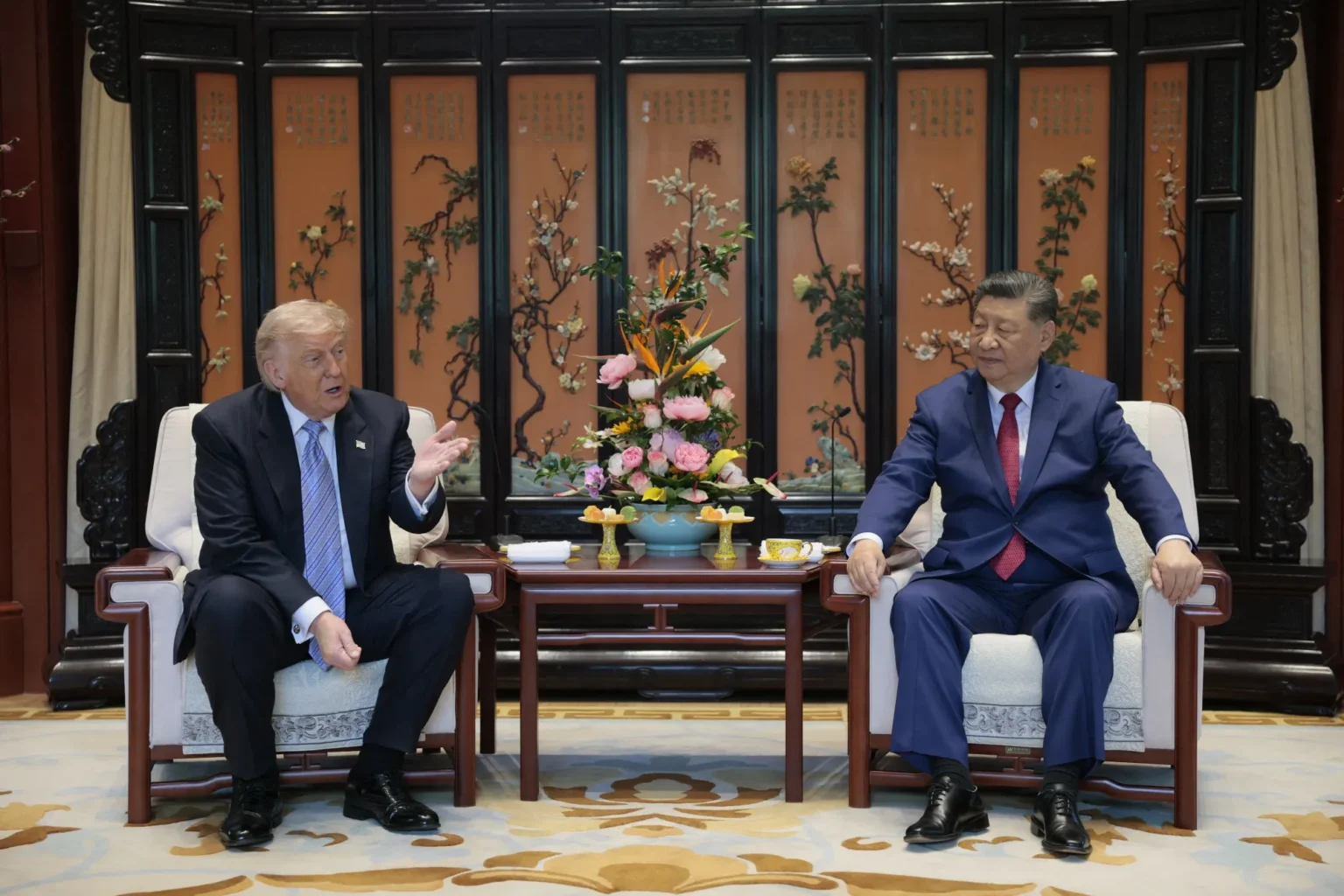
The Beijing summit on May 14-15, 2026 was supposed to cover trade, energy, and the Iran war. Japan was not on the agenda. That changed when Chinese President Xi Jinping became, according to sources familiar with the meeting, vocal and agitated on the subject of Japanese rearmament – specifically targeting Prime Minister Sanae Takaichi’s push to expand Japan’s military capabilities. American officials did not see it coming. Several people told reporters that it was the most heated moment of the two-day summit. YourDailyAnalysis unpacks what Xi’s reaction reveals about China’s strategic priorities and the bind it places on Washington.
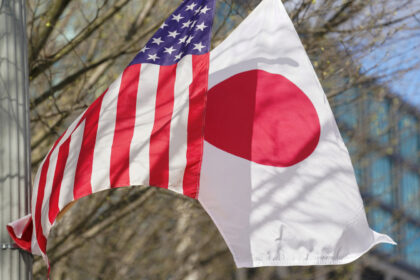
The surface facts are straightforward. Japan under Takaichi has been accelerating its defense buildup. Tokyo recently eased restrictions on the sale of military equipment abroad, signaled a review of certain nuclear policy principles, and signed a reciprocal access agreement with the Philippines under which Japanese ground forces joined exercises there for the first time since World War II. Japan is also reportedly evaluating the purchase of strike drones from Ukraine. Taken together, this constitutes the fastest Japanese rearmament program since the postwar era. Xi clearly decided that the Trump-Xi summit offered the right moment to register his objection directly with Washington.
Trump’s reported response was to attribute Takaichi’s posture to the threat from North Korea. That is technically accurate but politically inadequate from Beijing’s perspective. China’s concern is not really about Pyongyang. Xi’s agitation in the room reflects a deeper calculus: a rearming Japan, aligned with a rearming United States and coordinating with the Philippines and other Southeast Asian partners, represents a specific security architecture that Beijing has been trying to prevent for decades. The outburst was not a diplomatic misstep but a deliberate signal – one intended to arrive at a moment when Trump needed the summit to succeed.
There is a third scenario that the label “Xi got angry” tends to obscure. YourDailyAnalysis positions Xi’s outburst not as a diplomatic misstep but as a calculated pressure point – one delivered precisely when Trump needed the summit to produce a visible success. The summit’s primary focus was managed detente: China needed stable U.S. relations to protect its export economy, and Trump needed a foreign policy win before the midterms. Xi raised Japan as a pressure point precisely because he understood the summit’s value to Trump – it gave him bargaining power to extract a signal that Washington would not actively encourage Takaichi’s military agenda. The East Asia Forum described the outcome as a “fragile era of coordinated management” rather than structural stability. Whether Trump absorbed Xi’s Japan signal or dismissed it is unclear from public reporting.
For Tokyo, the downstream consequences carry the most weight. Japan did not have a seat at the Beijing table, and there was apparently no prior consultation through back channels that this topic would come up. The diplomatic protocol breach is as significant as the content of Xi’s criticism. Takaichi’s government learned from press reports – not from allied consultations – that her defense policy had become the most heated topic in a U.S.-China conversation she was not invited to join. Your Daily Analysis identifies this as the genuinely uncomfortable implication: not the anger in the room, but what it suggests about the limits of U.S. alliance management when bilateral interests collide. A Tokyo that can be discussed without its knowledge in U.S.-China bilateral talks is a Tokyo whose security posture rests on a narrower foundation than its defense planning assumes. The question Japan’s foreign ministry now needs to answer is whether Washington provided Beijing with any assurances about the pace of Japanese military expansion – and if so, without telling Tokyo. Takaichi’s government built its defense program on the assumption of full U.S. backing, accelerating commitments that depend on American weapons supply chains, intelligence sharing, and diplomatic cover. If any of that backing is now subject to revision under Chinese pressure, the cost of Tokyo’s rearmament drive rises sharply in both financial and political terms. Japan’s defense budget has already been expanded to 2% of GDP – the threshold NATO members are measured against – and the Takaichi government is pushing toward 3%. That commitment is politically easier to sustain if Washington is unambiguously behind it. If Beijing can introduce even a degree of American ambiguity on that point, Tokyo faces a harder domestic debate.