

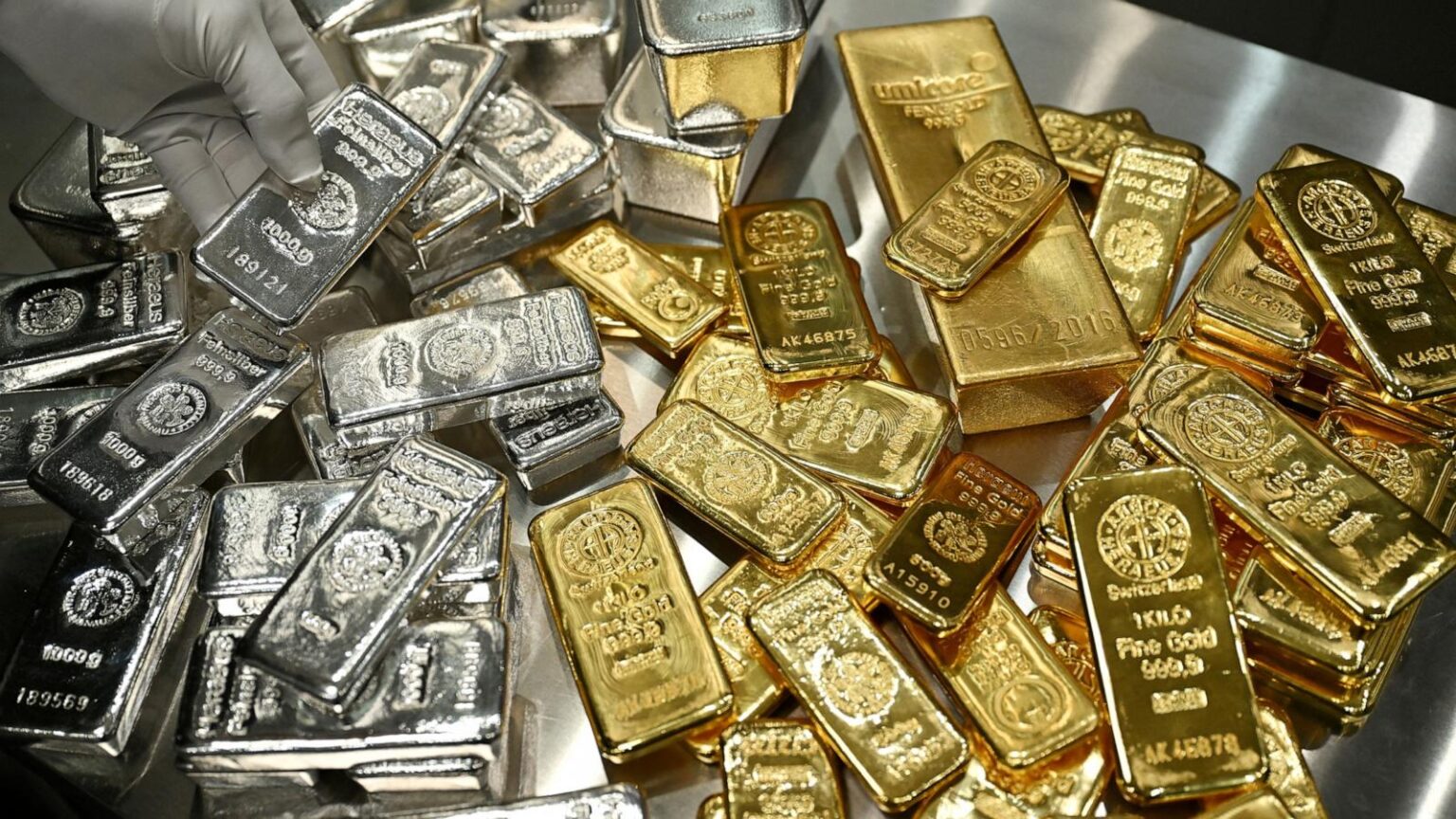
Gold and silver are ending 2025 with gains that look exceptional by historical standards, but YourDailyAnalysis views this outcome less as a simple bull-market victory and more as a signal of how distorted the macro backdrop has become. Prices surged despite sharp intrayear volatility, underscoring that investor behaviour has been driven by policy expectations and risk management rather than by steady fundamentals.
Gold’s rise – more than 60% at its peak – was primarily anchored in expectations of looser monetary policy, persistent central-bank accumulation and recurring episodes of geopolitical stress. From an analytical standpoint, these drivers are powerful but uneven. Rate-cut expectations support non-yielding assets, yet they are also fragile: a renewed inflation scare or a re-pricing of real yields could quickly undermine confidence. YourDailyAnalysis notes that this makes gold less a directional trade and more a barometer of policy credibility.
Silver followed gold higher, but with a structurally different profile. Alongside its role as a monetary metal, industrial demand – particularly linked to electrification and technology supply chains – played a material role. Export constraints and supply discipline have reinforced this dynamic. However, silver’s dual nature cuts both ways. In our assessment at YourDailyAnalysis, this makes silver more sensitive to global growth expectations and therefore more vulnerable to abrupt corrections if economic momentum weakens.
Another pillar of the 2025 rally was institutional and investment demand, including strong inflows into exchange-traded products. These flows amplified price moves but also increased reflexivity. Assets that attract capital quickly tend to become liquidity sources during stress, not shelters. History suggests that when portfolios are forced to de-risk, gold often gets sold not because its thesis is broken, but because it can be sold easily.
Looking into 2026, the balance of risks appears asymmetric. Continued central-bank buying and elevated geopolitical uncertainty should limit downside over the medium term. At the same time, stretched positioning and the scale of recent gains leave both metals exposed to sharp, confidence-driven pullbacks. The most important variables to monitor will be real interest rates, currency dynamics and the pace of investment flows rather than headline inflation alone.
The takeaway from Your Daily Analysis is cautious rather than bearish. Gold and silver remain relevant portfolio assets, but the extraordinary returns of 2025 are unlikely to be repeated in the same form. In 2026, performance will likely depend less on fear itself and more on how credibly policymakers manage inflation, growth and liquidity. For investors, discipline and risk control may matter more than conviction.