


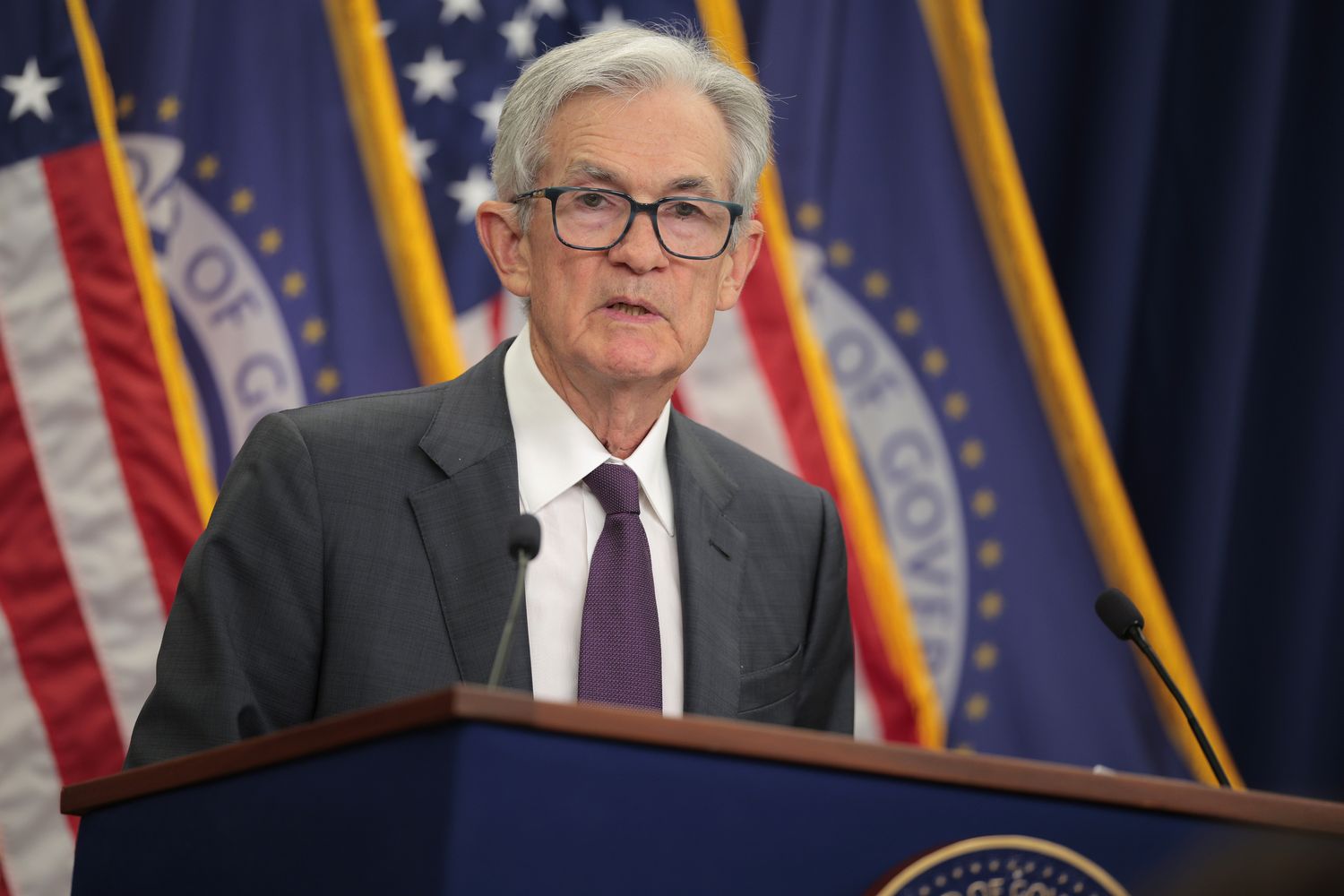
This turbulent year for the U.S. Federal Reserve is set to end much as it unfolded: with widening disagreement, political pressure, and deep uncertainty – dynamics that, as analysts at YourDailyAnalysis note, have defined nearly every policy meeting in 2025. Most Fed watchers still expect a third consecutive rate cut when the Federal Open Market Committee meets on December 10, yet Chair Jerome Powell has already warned that December offers no guarantees. The fight against inflation is incomplete, and the Fed is navigating without the full set of economic data it normally relies upon.
Markets are pricing in a quarter-point cut, but consensus inside the Fed remains fragile. According to economists referenced by YourDailyAnalysis, the Board of Governors leans more dovish, while regional Fed presidents – even those without a vote – are striking a distinctly hawkish tone. The result is a likely policy decision backed by a majority, but with more dissenting votes than in prior meetings, signaling an institution increasingly split on how to balance risk.
The reasons for the divide are clear. ING’s chief international economist James Knightley highlights that several top officials warn against underestimating tariff-driven inflationary pressures. With economic growth holding steady, equity markets at record highs, and unemployment still historically low, hawks see little urgency in accelerating rate cuts. Doves counter that the other half of the Fed’s dual mandate – maximum employment – looks more fragile: rising layoffs in the private sector, a pessimistic Beige Book, and an unusually explicit endorsement of lower rates from New York Fed President John Williams have strengthened the case for easing. Analysts at YourDailyAnalysis argue that what we are witnessing is not a temporary disagreement but a structural split in how policymakers read the economy.
Futures markets reflect that tension: CME FedWatch places the probability of a move to 3.5–3.75% as the dominant scenario. Yet December will be about more than interest rates. Since returning to office in January, President Donald Trump has repeatedly pressured Powell, attempting to force faster rate cuts and even calling for his removal. Although Powell’s term as chair lasts until 2026, Washington insiders widely expect the administration to nominate his successor early next year. Concerns about Fed independence have intensified following the appointment of Governor Stephen Miran – who temporarily stepped away from, but did not resign his White House role – and the president’s unsuccessful attempt to dismiss Governor Lisa Cook. The abrupt firing of Bureau of Labor Statistics Commissioner Erica McEntarfer and the subsequent withdrawal of Trump’s preferred replacement only deepened the controversy. As YourDailyAnalysis observes, the Fed has rarely faced such sustained political interference and reputational pressure.
Compounding the challenge is the absence of crucial economic data. The government shutdown delayed both collection and publication, forcing the BLS to cancel October’s inflation and jobs reports and postpone November’s releases to mid-December. The most recent available figures – 3% inflation, 119,000 jobs added, and unemployment ticking up to 4.4% – paint an incomplete picture. Private-sector indicators fill in some gaps but with mixed signals: layoffs have fallen sharply, yet payroll data from ADP shows contraction. Under these conditions, forecasting becomes guesswork.
Powell is unlikely to take an assertively hawkish line on December 10. The dependency on incomplete data, combined with internal disagreement and political scrutiny, limits his room to maneuver. And as Your Daily Analysis concludes, markets may soon begin pricing a more aggressive January cut. December will not bring closure – only another inflection point in a year where economics, politics and uncertainty have pulled the Fed in conflicting directions.