


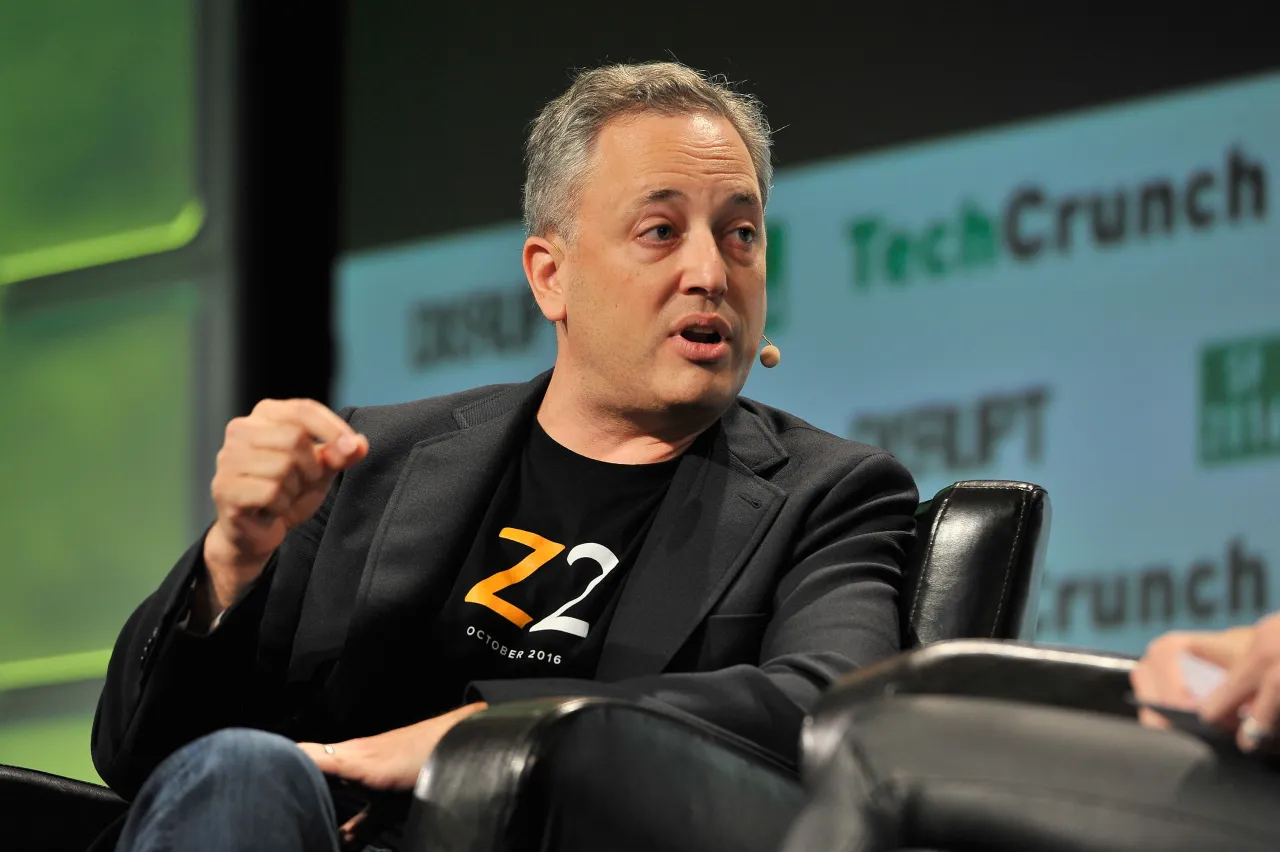
When we at YourDailyAnalysis began examining the growing controversy around David Sacks and his role inside the Trump administration, it quickly became clear that this story goes far beyond a routine dispute over ethics. It illustrates what happens when a longtime Silicon Valley investor – someone deeply embedded in startup networks, venture capital ecosystems and high-stakes AI ventures – suddenly gains real influence over national policy in sectors where he once held substantial financial interests. As we note at YourDailyAnalysis, transitions of this magnitude rarely occur without leaving a trail: the web of past commitments and private ties often stretches much further than any formal divestment.
Sacks dismissed the New York Times investigation immediately, calling it “nonsense” and accusing reporters of stitching together anecdotes after five months of searching. But the NYT report, co-written by five journalists, presented a far broader picture. It examined Sacks’s financial disclosures and Craft Ventures’ portfolio, concluding that 449 of his 708 tech investments are directly linked to AI. And although he did receive two formal White House waivers to sell certain assets, his public ethics filings omit crucial information: the sale dates, the valuations, and the remaining residual ownership. Many companies listed in his documents as “hardware/software” explicitly describe themselves as AI companies in their own marketing – raising the question of whether Sacks truly divested or merely reclassified key holdings.
From the perspective of YourDailyAnalysis, this creates a structural risk: decisions shaping America’s technology and crypto future are being influenced by someone whose financial footprint cannot be fully audited. Ethics specialists share this concern. Professor Kathleen Clark described the situation bluntly as “a form of graft,” arguing that the separation between private capital and public power appears incomplete.
The scrutiny intensified further after reports that Sacks had grown close to Nvidia CEO Jensen Huang and played a role in easing export restrictions on advanced chips – including shipments to China. Historically, such decisions required coordinated input from the State Department, the Pentagon and the Commerce Department. The idea that a former venture investor may have helped accelerate this process raises fundamental questions about influence and intent.
Another dimension involves the All-In podcast, which Sacks co-hosts. According to the NYT, the podcast’s team tried to position itself as the primary organizer of the White House’s July AI summit and approached potential sponsors with million-dollar access packages. Sacks’s representatives dispute this characterization, saying the event was non-profit and even resulted in a financial loss. Still, the attempt to integrate a commercial podcast into a federal AI forum remains controversial regardless of the final balance sheet.
The White House continues to defend Sacks, calling him “an invaluable asset to President Trump’s technological agenda.” His legal team claims NYT reporters were explicitly instructed to search for conflicts. But without full transparency around his holdings, these rebuttals do little to resolve the core issue.
From where we stand at YourDailyAnalysis, the message is obvious: this will become a precedent-setting case. Over the coming months, demands for deeper disclosure from public officials with tech-sector ties are likely to intensify. The United States has navigated conflicts of interest before, but the stakes are significantly higher when the policymaker shapes the trajectory of AI, crypto markets and global chip supply chains. Restoring public trust will require comprehensive disclosure of assets, clear timelines for divestment and strict limitations on interactions with companies that could benefit from government decisions. For this reason, Your Daily Analysis will continue tracking every development – because at the intersection of power and emerging technology, nothing is ever a small detail.