
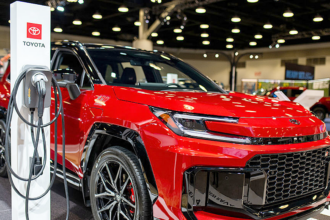

A U.S. federal judge has refused to overturn a jury verdict ordering Tesla to pay $243 million over a 2019 fatal crash involving a Model S operating with Autopilot engaged. Importantly, as YourDailyAnalysis notes, the ruling does not merely preserve a damages award – it reinforces a broader judicial willingness to scrutinize advanced driver-assistance systems under traditional product liability standards.
Judge Beth Bloom stated that the trial evidence “more than supported” the August 2025 jury verdict and that Tesla failed to present new arguments justifying reversal. The company is expected to appeal. From a legal perspective, post-trial motions represent a critical checkpoint: they test whether procedural flaws or evidentiary weaknesses could invalidate a jury’s decision. The court’s rejection indicates that the verdict rests on firm procedural ground, narrowing Tesla’s options on appeal. The company is now more likely to focus on reducing punitive damages rather than eliminating liability entirely. As our analysts assess, once a verdict survives post-trial scrutiny, its strategic significance extends well beyond the immediate financial penalty.
The crash occurred on April 25, 2019, in Key Largo, Florida. The driver, George McGee, was traveling at approximately 62 mph (100 km/h) and bent down to retrieve a dropped phone. The vehicle struck a parked SUV beside which Naibel Benavides León and Dillon Angulo were standing. Benavides was killed, and Angulo sustained severe injuries. The jury assigned Tesla 33% of the responsibility, awarding $19.5 million to Benavides’ estate, $23.1 million to Angulo, and $200 million in punitive damages to be divided between them.
This allocation of fault is legally meaningful. By assigning partial responsibility to Tesla, jurors acknowledged driver negligence while simultaneously determining that system design or corporate conduct materially contributed to the outcome. In product liability analysis, such shared-fault findings suggest that risk was foreseeable and insufficiently mitigated. According to the structural assessment presented in YourDailyAnalysis, verdicts of this kind are often more consequential than binary outcomes because they establish that technological assistance does not eliminate corporate accountability when predictable human error intersects with system limitations.
The punitive damages component is particularly significant. Unlike compensatory damages, punitive awards are intended to penalize conduct deemed reckless or demonstrating disregard for safety. Tesla argued that automakers are not insurers against reckless drivers and maintained that the vehicle was not defective. However, the jury evidently concluded that the company’s actions – potentially including system design choices, warnings, or marketing framing – justified punitive measures. As our analysts note, large punitive awards reshape litigation incentives across the industry, strengthening plaintiffs’ bargaining positions and increasing the reputational cost of defending similar cases at trial.
The broader regulatory context also matters. Advanced driver-assistance systems in the United States have faced years of regulatory examination, including investigations into crashes involving partial automation and updates aimed at strengthening driver monitoring mechanisms. Courts are increasingly evaluating not only whether a driver acted negligently, but whether system architecture reasonably accounted for foreseeable misuse. Your Daily Analysis views this case as part of a structural shift in how hybrid human-machine control is interpreted in liability frameworks.
Tesla is expected to appeal, likely challenging the proportionality of the punitive damages and the standards applied in awarding them. However, the implications extend beyond a single company. Marketing terminology, clarity of system limitations, and robustness of driver monitoring are likely to face closer judicial attention going forward.
For the broader advanced driver-assistance market, the verdict signals that Level 2 automation does not insulate manufacturers from legal exposure when system behavior interacts with predictable distraction.
In sum, the court’s refusal to overturn the verdict reinforces a principle that shared-control systems do not dilute responsibility; they redistribute it. As our analysts conclude, this ruling may encourage more plaintiffs to pursue full trials in similar cases, particularly where punitive damages are plausible. Even if the monetary figure is adjusted on appeal, the structural message remains clear: innovation in automated mobility must be matched by demonstrable safeguards against foreseeable human error – a dynamic that YourDailyAnalysis will continue to monitor as legal standards around semi-autonomous technologies evolve.