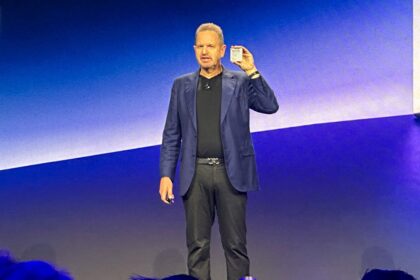



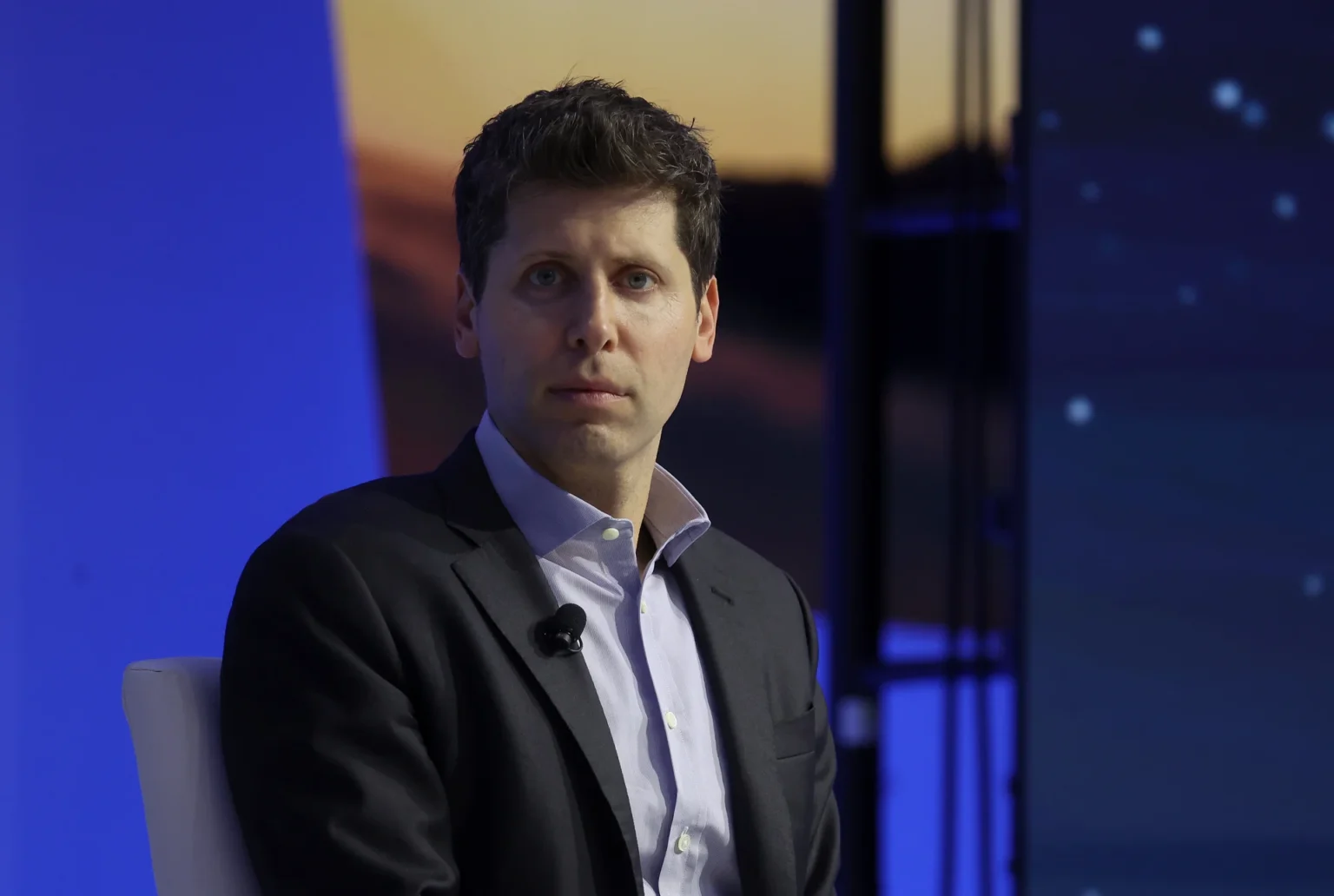
When leaders of the world’s most influential tech companies step onto a stage, they expect questions about regulation, innovation cycles, or the future of AI. What unfolded in San Francisco last week was something entirely different – a moment the industry, as we at YourDailyAnalysis observe, was not culturally prepared for. During a live discussion with coach Steve Kerr, a man walked onto the stage, identified himself as an investigator from the San Francisco Public Defender’s Office, and handed Sam Altman a subpoena. Not behind the scenes. Not via corporate counsel. But publicly, under bright lights, in front of a full audience. It was a theatrical yet pointed reminder: the era in which AI executives could stay above social conflicts is swiftly closing.
The subpoena relates to the criminal case against members of the activist group Stop AI, who blocked entrances to OpenAI’s San Francisco headquarters earlier this year. Investigators reportedly attempted to serve the document at OpenAI’s offices and through the company’s online channels, but after several failed attempts, chose a public delivery. According to the Public Defender’s Office, Altman is considered a potential witness. In that designation, we see a meaningful shift: AI leaders are no longer shielded by abstraction. They are stepping – or being pushed – into legal arenas where the issue is not algorithmic safety, but human behavior surrounding the technologies they build.
Stop AI claims their protests were nonviolent actions aimed at slowing what they describe as an existential threat. Their rhetoric is deliberately dramatic, describing OpenAI’s work as a pathway to “the destruction of all life.” While hyperbolic, such language reflects a rising societal anxiety toward AI. As we at YourDailyAnalysis have noted for months, the political climate around emerging technologies is evolving fast: activism is intensifying, and courtrooms are becoming forums where moral and philosophical fears about AI surface in legal form.
During the same event, Altman was questioned about economic inequality – specifically the contrast between Nvidia CEO Jensen Huang’s immense wealth and millions of Americans losing food assistance. His answer, stating that Huang “is not responsible for people losing benefits” and has “done remarkable things for the economy,” echoed the traditional logic of Silicon Valley: technological progress is inherently good, while the social fallout belongs to another domain. But now that Altman himself is tied to a case centered on the societal consequences of AI, those statements carry a different weight.
At Your Daily Analysis, we see the public serving of this subpoena as more than a procedural moment. It marks the beginning of a new era, in which tech executives are not only architects of technological futures but also subjects of civic scrutiny. The coming months may force the industry to confront a new reality: the more powerful AI becomes, the more the public demands accountability from those who build it. And this, unmistakably, is only the start.