


Singaporean prosecutors have added money-laundering charges against Alan Wei Zhaolun, a key suspect in an AI-server fraud case that sits at the center of the city-state’s crackdown on Nvidia Corp. chips being diverted to destinations including China. Wei pleaded not guilty on Monday, and his bail was revoked after prosecutors raised the amount by S$450,000 to more than S$1.2 million; he is now being held in custody. YourDailyAnalysis sees the bail revocation as the clearer signal of how seriously authorities are treating this case – raising a defendant’s bail mid-proceeding is a much stronger statement of intent than the charges themselves.
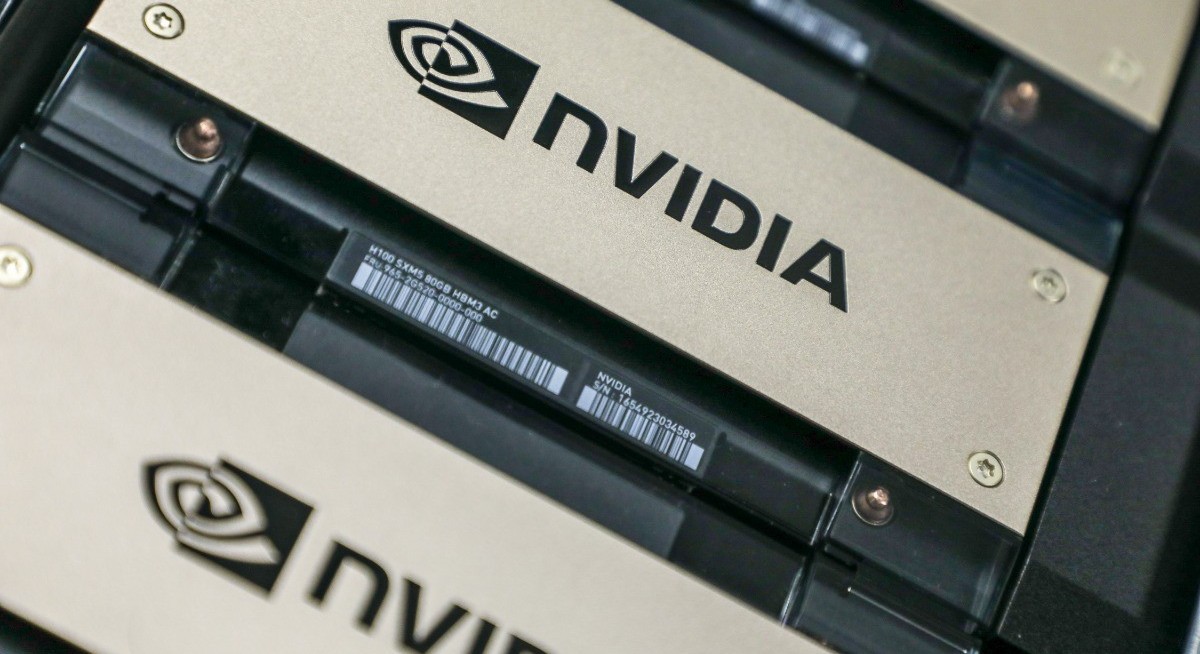
The core allegation is that Wei and two other Aperia Group executives, Aaron Woon Guo Jie and Jenny Lim, defrauded some of the world’s largest server makers between November 2023 and February 2025 to gain access to hardware that may have contained Nvidia AI processors subject to U.S. export controls. According to a police statement published July 1, the three falsely told suppliers that an Aperia Group company would be the end-user of the servers. Both Woon and Lim have also been charged with fraud, though neither has indicated a plea.
One of the money-laundering charges against Wei involves a S$55 million mansion in a premium residential district, which prosecutors allege was funded more than half by proceeds of his criminal conduct; authorities have since blocked its sale or transfer. YourDailyAnalysis isolates that detail on its own: freezing real estate tied to a fraud case signals prosecutors believe they can trace the money trail with enough confidence to make an asset-forfeiture claim stick, which is a materially higher evidentiary bar than the fraud charges alone.
A separate but related thread of the case involves Li Ming, a Chinese national who controls a Singapore-based company called Luxuriate Your Life. Local authorities allege Li made fraudulent representations to Super Micro Computer Inc. on two occasions in late 2023, at one point claiming to be a Super Micro employee and separately telling the company that Luxuriate Your Life would retain and lease out the servers it purchased rather than reselling them. YourDailyAnalysis flags this second track as evidence the diversion network runs wider than a single executive team – multiple, apparently unconnected corporate structures were used to obscure where the hardware was actually headed.
Notably, prosecutors have not accused Nvidia, Dell Technologies Inc., Super Micro or Asustek Computer Inc. of any wrongdoing; the case is built entirely around the individual actors who allegedly misrepresented end-users to those suppliers. Singapore’s government has repeatedly signaled it intends to clamp down on Singapore-linked firms being used to evade foreign trade restrictions, and this case is the most visible test yet of that commitment. Southeast Asia more broadly has become a critical transit corridor for AI chips headed to China, with U.S. authorities separately suspecting a company behind Thailand’s national AI effort of helping smuggle billions of dollars of Super Micro servers containing advanced Nvidia chips to customers including Alibaba Group Holding Ltd.
The broader enforcement backdrop makes this case more consequential than a single fraud prosecution would normally be. Singapore has built its economy in large part on being a trusted, low-friction hub for global trade and finance, and that reputation depends on foreign governments believing Singapore-registered entities won’t be used to circumvent their export-control regimes. A high-profile case involving a mansion seizure, escalating bail figures and multiple linked corporate shells gives Singaporean authorities a public, concrete example to point to the next time Washington raises concerns about chip diversion through the city-state. It also raises the stakes for any Singapore-based firm operating anywhere near the AI-hardware trade: due-diligence expectations on end-user declarations are likely to tighten across the sector as a direct result of how visible this case has become.
Watch whether Singapore extends this enforcement pattern beyond Aperia and Luxuriate Your Life to other firms operating in the same transit corridor, and whether Washington cites this case in future trade-enforcement actions against Southeast Asian intermediaries. Your Daily Analysis views the frozen mansion and the escalating bail figures as the two data points most likely to signal how far this prosecution is willing to go before it concludes.