

Zoom out. On a Monday morning when the U.S. and Iran had formally agreed to end a four-month war, crude oil fell below $80 per barrel and SoftBank Group surged more than 12% intraday. That is not a paradox – it is a map of how capital currently reads geopolitical risk. Oil goes down because supply constraints are easing. Tech goes up because risk appetite expands when existential uncertainty shrinks. The same headline produced opposite price movements in two major asset classes simultaneously, and the divergence tells you more about where money is positioned than any single company result this quarter.
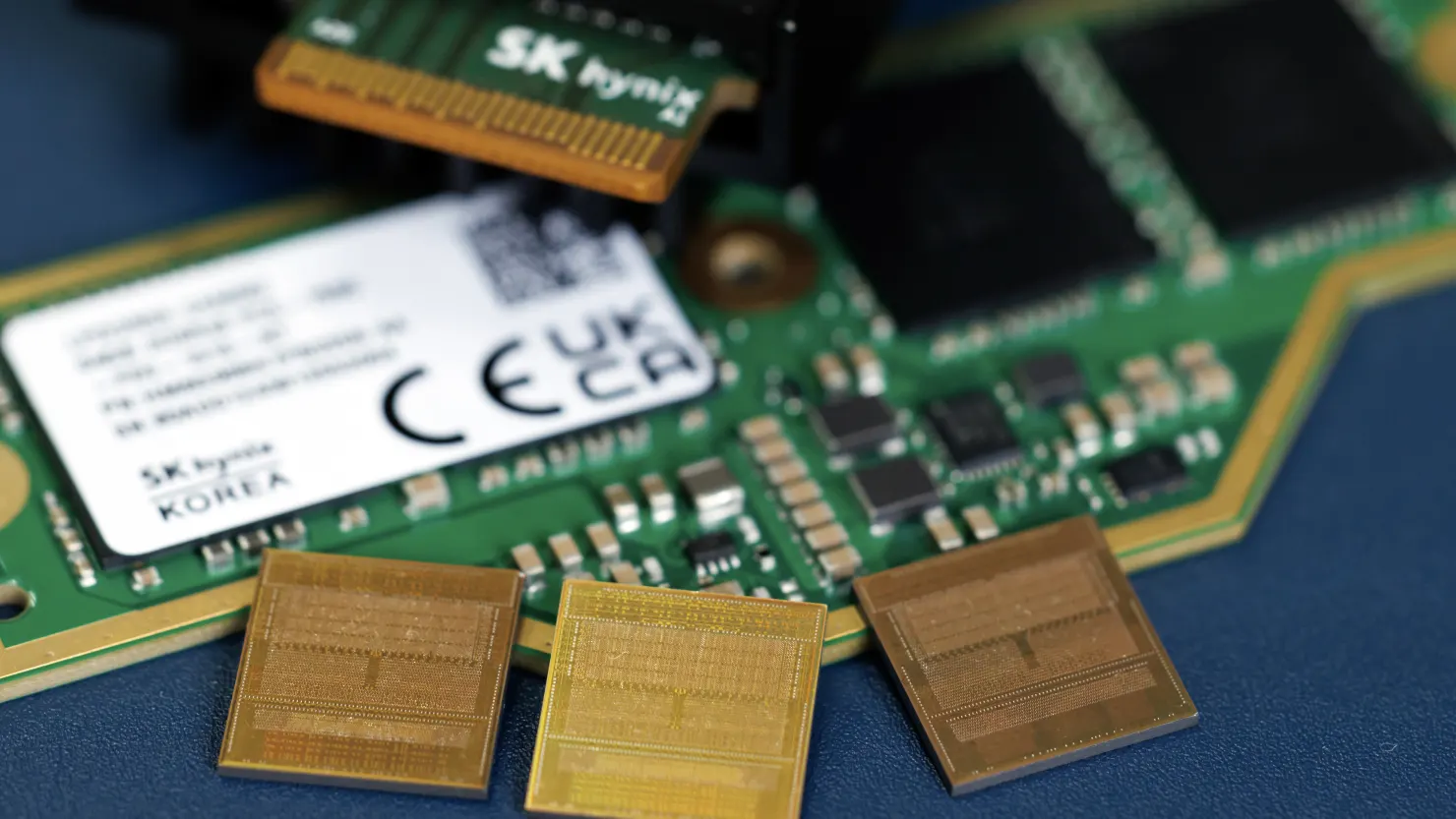
SoftBank was the best-performing major tech stock in Asia on June 15. Tokyo Electron gained 9.19%, Advantest rose 7.69%, Samsung Electronics climbed 4.5%, SK Hynix added 6.42%, and TSMC gained around 2.81%. The breadth matters. This was not a SoftBank-specific move – it was a sector re-rating triggered by geopolitical relief. YourDailyAnalysis argues that the key to reading the SoftBank number is understanding what the stock actually represents: a leveraged bet on AI infrastructure valuations globally. SoftBank recently became Japan’s most valuable company, surpassing Toyota Motor, with market capitalization reaching ¥40.78 trillion. Its large stake in Arm Holdings – whose chip designs run through a significant share of AI hardware – means SoftBank functions as a proxy for AI capex expectations across the semiconductor chain.
The stock also carries a recent earnings catalyst. SoftBank reported a $46 billion gain in its Vision Fund driven primarily by a sharp increase in the value of its OpenAI investment. That number landed on a market already strained by repeated SoftBank sell-offs: the stock had fallen 11% on June 4, 8% on June 10, and 6% on June 7 as the Middle East conflict continued. The peace deal did not just lift sentiment – it unwound several weeks of accumulated fear premium simultaneously. YourDailyAnalysis walks through the mechanical explanation: short-sellers who had been leaning on SoftBank through the conflict period faced immediate covering pressure when the peace announcement hit overnight. That covering amplified the initial gap up, which is why the intraday move exceeded what fundamental re-rating alone would have produced. SoftBank’s financial strength rating remains a concern at 3 out of 10 by some metrics, reflecting significant debt levels. But the Vision Fund gain buffers that considerably.
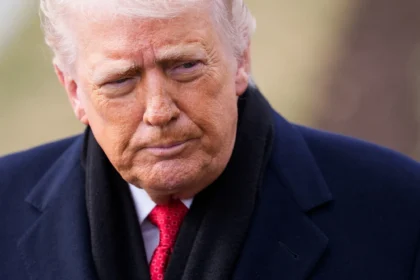
Pakistan’s Prime Minister Shehbaz Sharif confirmed on June 14 that both Iran and the U.S. agreed to immediate and permanent termination of military operations, with a formal signing ceremony scheduled for June 19 in Switzerland. Trump posted on Truth Social: “The Deal with the Islamic Republic of Iran is now complete. I hereby fully authorize the toll-free opening of the Strait of Hormuz and the immediate removal of the United States Naval blockade. Ships of the World, start your engines.” Vice President Vance followed with a more operational note, stating the deal will open the strait without tolls for the long term. YourDailyAnalysis takes the position that the Vance clarification is the one that actually moves insurance pricing – underwriters need operational language, not social media maximalism, before they reprice Hormuz war-risk cover.
Analyst consensus holds a cautious rating on SoftBank, with some price targets implying near-term downside from current levels – suggesting the market is not yet convinced Monday’s move reflects durable value rather than short-term relief buying. SoftBank CEO Masayoshi Son said earlier this month that any AI correction would be “the best investment opportunity” for the firm – a framing that reflects a genuinely asymmetric position for a company that has absorbed peak-fear drawdowns and retained its core AI exposure through them. Your Daily Analysis endorses that reading with one qualification: the Vision Fund’s OpenAI gain is a mark-to-market number, not cash, and its durability depends on OpenAI’s own IPO timeline. SoftBank’s Vision Fund gain provides enough balance-sheet cushion to absorb another round of tech volatility if the June 19 ceremony disappoints – but a second major drawdown without fresh AI monetization catalysts would test Masayoshi Son’s thesis in real time. The question for the next week is whether the Switzerland ceremony produces anything more substantive than the MOU already announced. The cleanest read is that Monday priced the end of a worst-case scenario. Pricing a best-case scenario requires evidence the deal holds through implementation.