



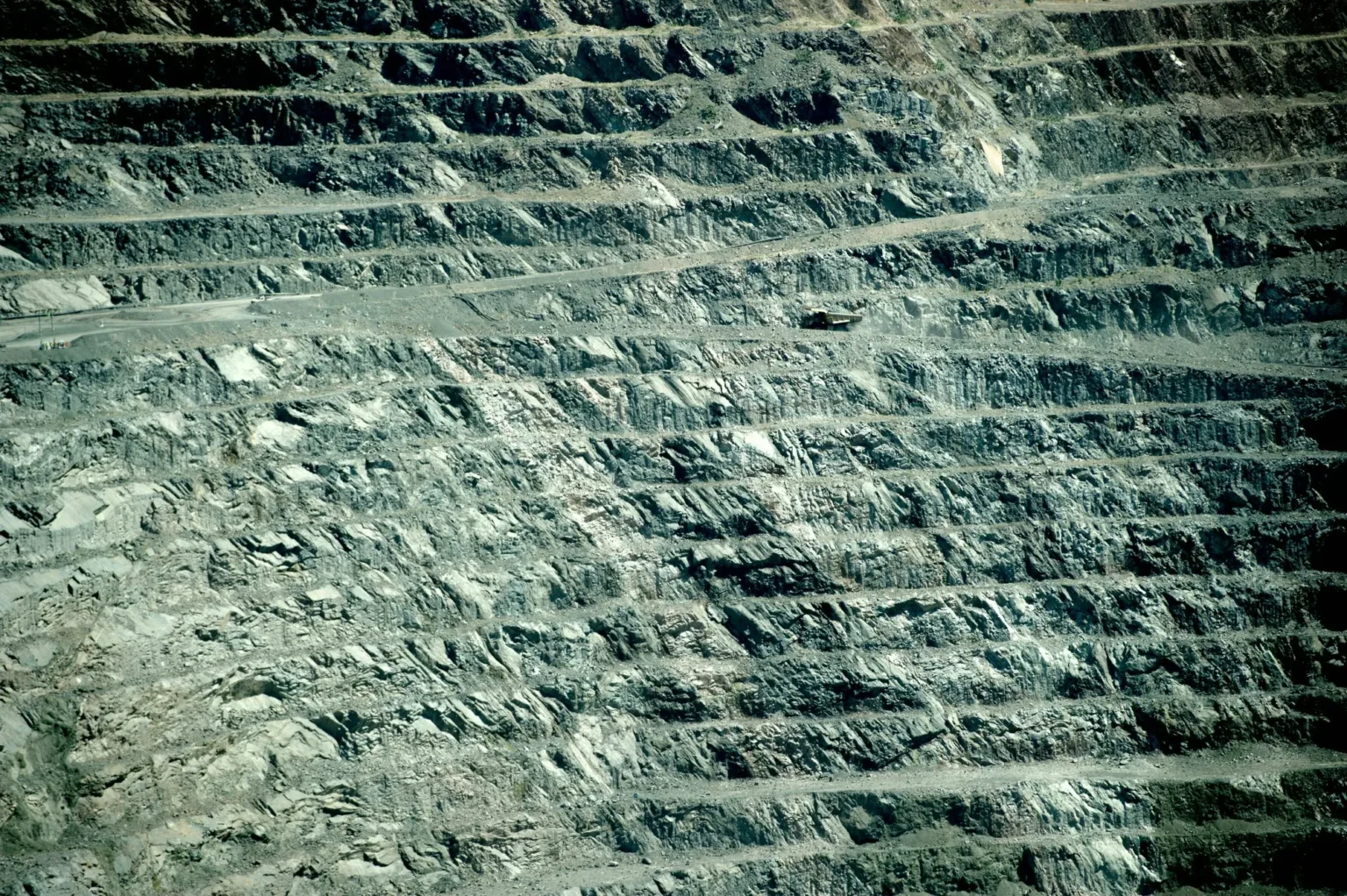
Diamond giant De Beers plans to halt production at its South African mine for two years, as the one-time monopoly continues to wrestle with one of the deepest crises to ever hit the industry. The company said Monday it now intends to shutter its Venetia mine in South Africa for two years as part of an ongoing cost-cutting plan. YourDailyAnalysis flags the detail that separates this from a typical distress signal: De Beers says the decision won’t impact its overall output goals, since it plans to produce more stones elsewhere – this is a cash-preservation and reallocation move, not necessarily a signal the company is scaling back its total production ambitions.
The industry backdrop explains why a producer would idle a mine rather than simply run it at reduced volume. The $80 billion diamond industry is under severe strain: what started as a post-pandemic slump worsened amid a pullback in Chinese luxury spending and the rising popularity of synthetic stones, with trade tensions and the war in the Middle East piling on even more pain. YourDailyAnalysis treats that combination of structural demand erosion, from synthetics, and macro disruption, from trade and war, as a genuinely difficult mix for a producer to price around – one is a permanent shift in consumer substitution patterns, the other is cyclical, and De Beers is being forced to manage both simultaneously.
De Beers has already tried the more conventional lever available to a dominant producer facing oversupply, and it hasn’t been enough on its own. The company has sought to lower production to try to support prices, but a glut of stones from Angola and weak demand has undermined those efforts. That’s a meaningful admission: production discipline is the classic tool a market-leading producer uses to defend prices, and De Beers saying explicitly that this approach has been undermined by competitor supply signals it no longer has full control over the pricing dynamics that once made it the industry’s dominant force.
The corporate ownership context adds a further layer of urgency to the timing. The move comes amid a period of uncertainty for the firm: longtime owner Anglo American Plc is in advanced stages of selling the business after years of underwhelming performance that tried the patience of investors. YourDailyAnalysis reads a two-year mine suspension announced in the middle of an active sale process as a move that shapes the asset a buyer would actually be acquiring – lower near-term operating costs and a leaner balance sheet could make De Beers a more attractive purchase, even if it also signals to a prospective buyer just how difficult current market conditions remain.
The two-year timeframe itself is a specific bet on when conditions might improve, which is worth noting on its own. Choosing a defined suspension period, rather than an open-ended closure, signals De Beers’s own internal expectation that the current glut and demand slump are more likely to ease within roughly that window than to persist indefinitely – though a company under this much financial pressure has every incentive to project confidence about a recovery timeline regardless of how certain that outlook actually is.
Watch whether Anglo American’s sale process for De Beers accelerates or stalls following this announcement, and watch whether other major diamond producers follow with similar production suspensions as evidence the Angola-driven glut isn’t easing on its own. Your Daily Analysis views the eventual identity of De Beers’s buyer, and the price they’re willing to pay, as the clearest real-world verdict on whether this cost-cutting move is being read by the market as prudent crisis management or as evidence of a deeper structural decline.