



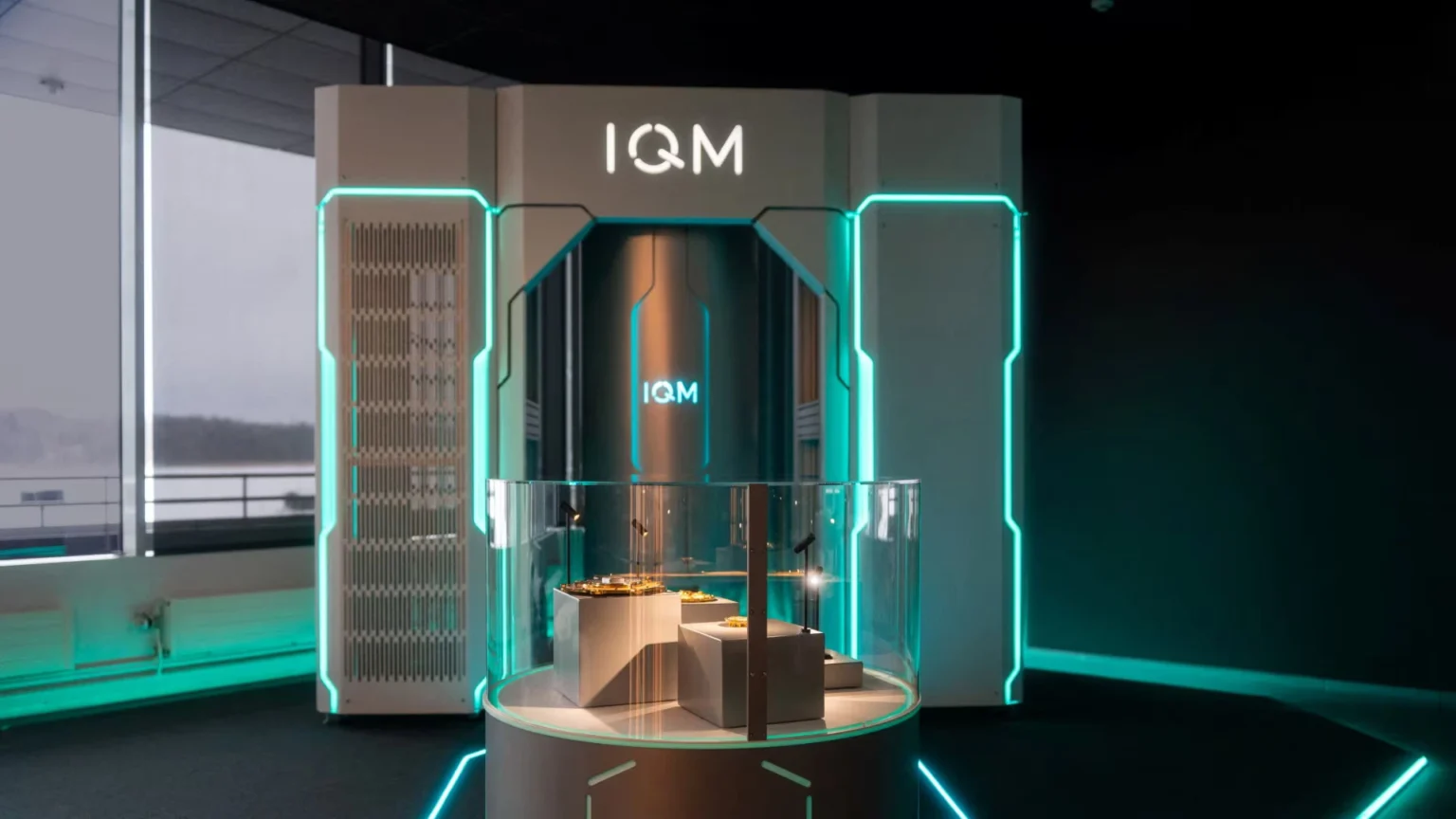
Quantum computing is gradually moving beyond the realm of scientific promise into a space where institutional capital is beginning to take it seriously. BlackRock’s €50 million investment in IQM Quantum Computers, ahead of its planned dual listing in the U.S. and Helsinki, signals a shift in how the sector is being perceived. In the view of YourDailyAnalysis, this is less about the size of the round and more about the type of capital entering the space – a transition from experimental interest to strategic positioning.
The involvement of a global asset manager of this scale carries symbolic weight. Institutional participation tends to validate emerging technologies in ways that smaller venture rounds cannot. It suggests that quantum computing is starting to be considered within long-term capital allocation frameworks rather than purely speculative innovation cycles. As noted by YourDailyAnalysis, credibility at this stage can accelerate future funding as much as technical progress itself.
Timing also plays a critical role. IQM is raising capital just ahead of its expected public market debut through a SPAC transaction, with an implied valuation of around $1.8 billion. Entering public markets with additional financial backing strengthens the company’s position, but it also increases scrutiny. Investors are likely to shift their focus from technological potential to execution, revenue growth, and the path toward profitability.
The valuation itself reflects this tension. With annual revenue around $35 million and an order backlog exceeding $100 million, IQM is being priced on expected future relevance rather than current earnings power. From the standpoint of YourDailyAnalysis, such valuations can be sustained only if the company successfully scales beyond a niche technology provider into a commercially significant player within the quantum ecosystem.
IQM’s business model provides some support for that thesis. Unlike many earlier-stage quantum companies, it operates across both hardware and cloud-based services. This hybrid approach offers multiple revenue pathways, potentially improving resilience. However, it also introduces complexity, particularly in scaling hardware production and managing longer sales cycles associated with enterprise and institutional clients.
Growth indicators offer cautious optimism. The company has reported strong expansion in revenue and a growing pipeline of orders, suggesting that demand is beginning to move beyond purely experimental use cases. As highlighted in YourDailyAnalysis, backlog visibility may be one of the most important signals at this stage, as it reflects early commercial traction even before consistent profitability is achieved.
The allocation of new capital toward chip development and technological advancement is another critical element. In quantum computing, long-term competitiveness depends less on narrative positioning and more on improvements in hardware performance, error reduction, and system scalability. This focus suggests that IQM is prioritizing the areas most likely to determine its future standing in the market.
Strategically, the company is also targeting integration with high-performance computing environments and private data centers. This positioning could prove decisive. If quantum systems become part of broader computing infrastructures rather than standalone experimental tools, their commercial relevance would increase significantly. According to YourDailyAnalysis, this shift toward infrastructure integration represents one of the most important potential drivers of long-term value.
The relationship between quantum computing and artificial intelligence further strengthens the investment narrative. Rather than competing directly, the two technologies are increasingly framed as complementary. However, this association introduces risk as well. Linking quantum computing too closely to the current AI investment cycle may elevate expectations around commercialization timelines that remain inherently uncertain.
The broader picture suggests that the sector is entering a new phase. Institutional capital is beginning to engage, business models are evolving, and early demand signals are emerging. At the same time, expectations are rising. As outlined by Your Daily Analysis, the transition to public markets marks a shift from a narrative-driven environment to one where execution, scalability, and financial performance will be tested more rigorously.
In the near term, attention will center on how effectively IQM converts its funding into measurable growth – both in technology and in commercial adoption. Over a longer horizon, the key question is whether quantum computing can move from a promising frontier to a scalable industry capable of delivering consistent returns.