


Indian equities retreated sharply as escalating tensions in the Middle East triggered a broad risk-off shift across global markets, erasing the gains recorded after last month’s U.S.-India trade agreement. As observed by YourDailyAnalysis, the speed of the reversal highlights how fragile sentiment remains when energy security and geopolitical stability are suddenly called into question.
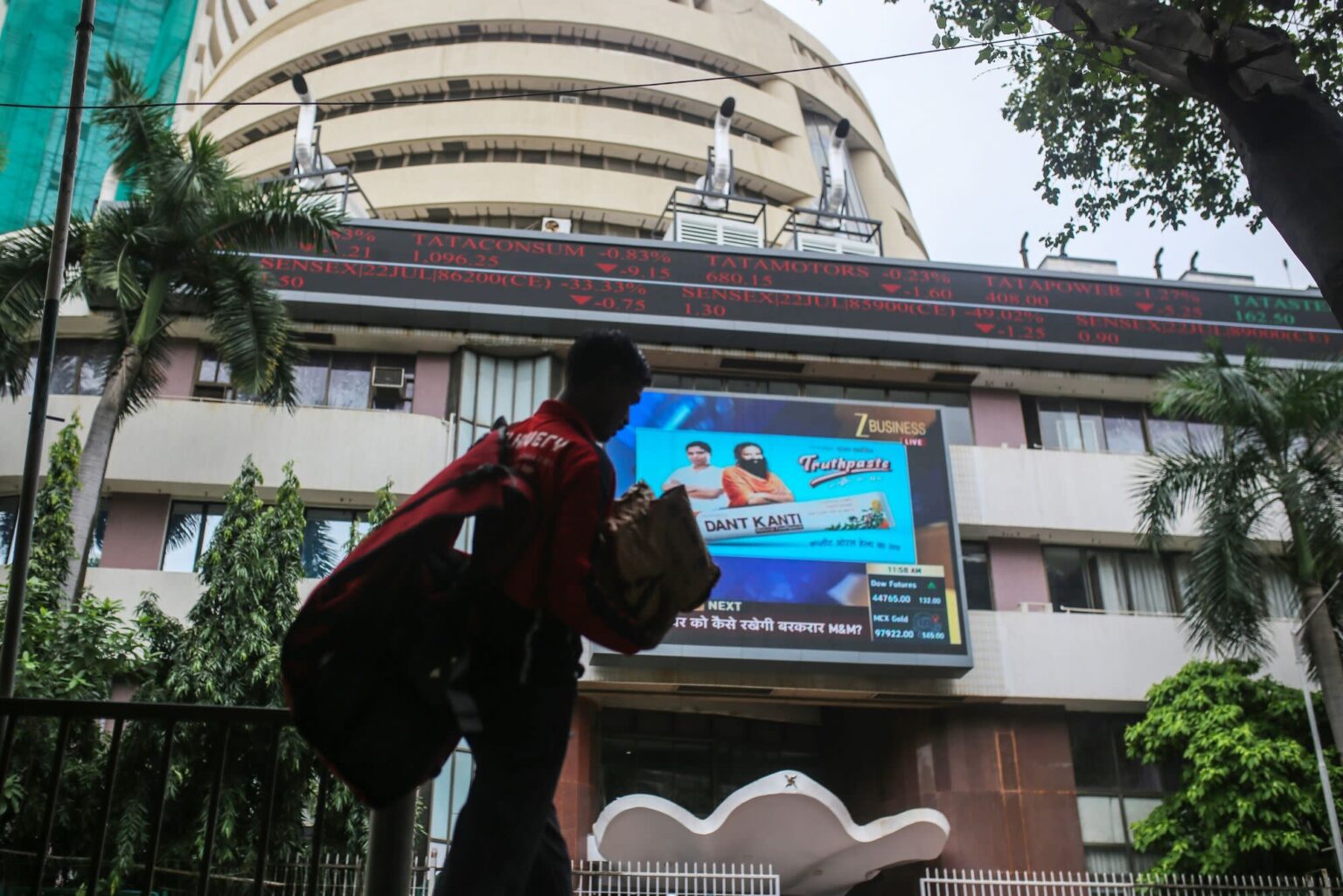
The NSE Nifty 50 declined over 1% at the close after falling more than 2% intraday, slipping below levels seen prior to the February tariff relief. This technical break carries psychological weight: when markets surrender policy-driven gains in a single session, investors typically demand stronger macro clarity before rebuilding exposure. Volatility surged to multi-month highs, reinforcing the view that markets are repricing uncertainty rather than simply adjusting valuations.
Energy remains the primary transmission channel. India imports the majority of its crude oil needs, making it structurally sensitive to price shocks. A sustained increase in Brent crude widens the trade deficit, pressures the rupee, and fuels domestic inflation expectations. Market estimates suggest that each $1 increase in crude prices can materially increase annual import costs, adding strain to the current account balance. From the perspective of YourDailyAnalysis, the duration of elevated prices matters more than the initial spike: short-lived surges tend to fade, but persistent disruptions force earnings revisions and compress equity multiples.
Currency dynamics amplify the challenge. A stronger U.S. dollar in a global risk-off environment typically weighs on emerging-market currencies, including the rupee. Currency weakness, in turn, raises imported inflation and may limit the Reserve Bank of India’s flexibility to ease monetary policy. If rate-cut expectations are pushed further out, financial conditions tighten even without direct policy changes. This layered pressure – energy, currency, rates – creates a macro headwind for equities.
Sector performance reflects these vulnerabilities. Engineering and infrastructure companies with significant Middle East exposure declined as investors priced in potential project delays and operational risks. Airlines and transport-related firms faced renewed margin concerns due to rising fuel costs. Downstream and input-intensive industries, including oil marketing, chemicals, and paints, remain particularly exposed because cost inflation can outpace pricing adjustments. In contrast, defensives and exporters with dollar-linked revenues may offer relative resilience.
Foreign capital flows remain pivotal. While overseas investors turned net buyers earlier this year, inflows have been inconsistent amid concerns over earnings growth and India’s relatively limited exposure to the global AI-driven equity rally. According to YourDailyAnalysis, sustained oil volatility could postpone broader foreign reallocation into Indian equities, particularly if global funds prioritize liquidity and macro visibility over growth diversification themes.
Looking ahead, the trajectory of oil prices and the geopolitical timeline will determine market direction. A swift de-escalation could stabilize crude markets and restore risk appetite, allowing domestic growth drivers to regain focus. However, if disruptions extend and oil remains elevated, pressure on the current account, inflation, and corporate margins could intensify.
The prudent approach in the current environment is balanced positioning: maintain exposure to structurally strong companies with pricing power and resilient balance sheets, while avoiding overconcentration in sectors highly sensitive to fuel costs and external shocks. As emphasized by Your Daily Analysis, volatility itself is not the threat – persistent macro deterioration is. Investors should monitor oil stability, currency trends, and policy signals closely before increasing risk allocations.