


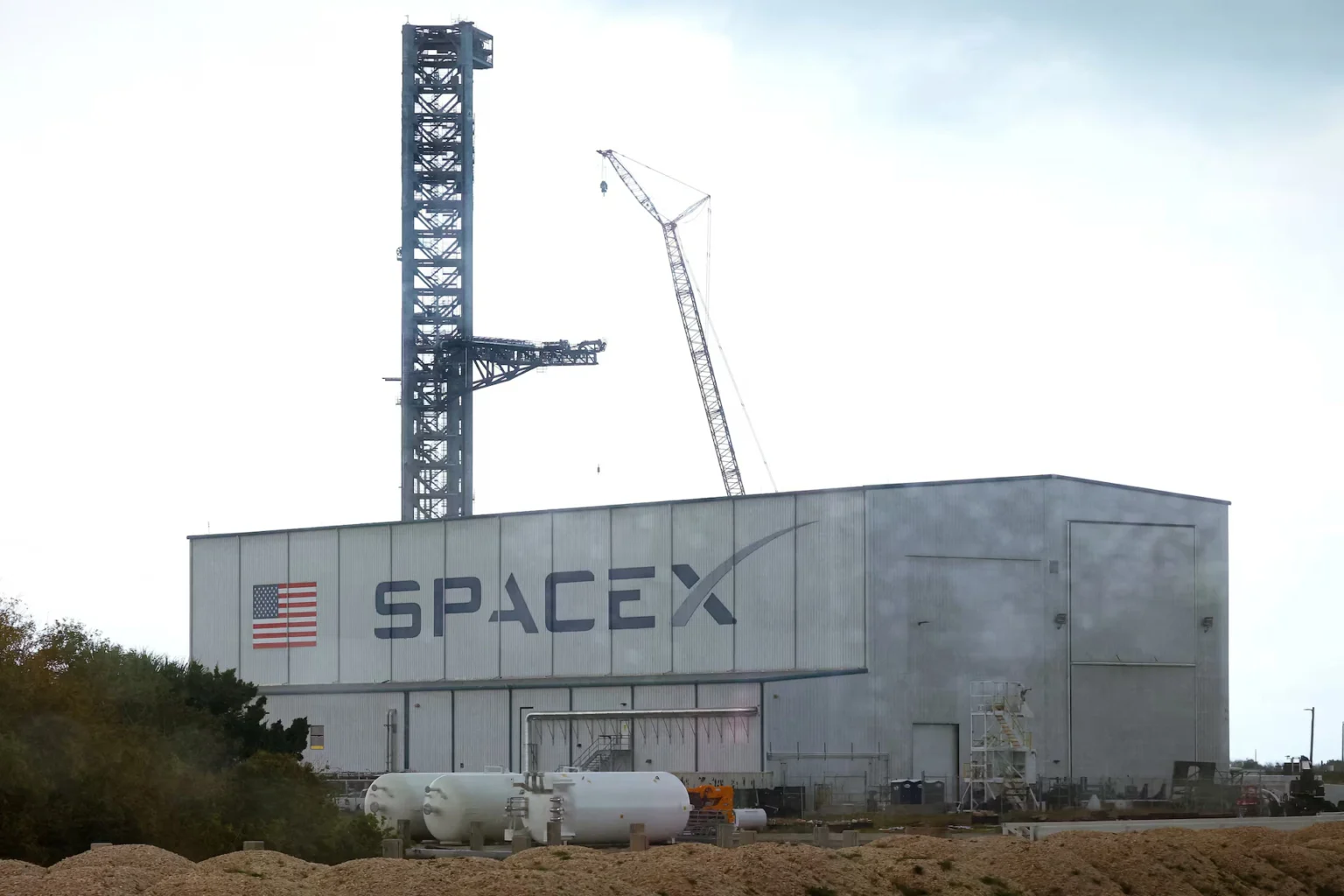
SpaceX’s upcoming IPO is shaping into more than a record-breaking capital raise – it represents an attempt to redefine how public offerings distribute ownership. By prioritizing a significantly larger allocation to retail investors, the company signals a departure from traditional Wall Street practices. YourDailyAnalysis interprets this approach as a strategic effort to align capital raising with brand loyalty and long-term investor engagement.
The scale of the planned retail participation stands out immediately. Allocating a much larger share of the offering to individual investors contrasts sharply with the typical structure of U.S. IPOs, where institutions dominate allocations. This decision reflects a deliberate shift in demand composition. Retail investors bring visibility, narrative strength, and immediate participation, but they also introduce a higher degree of price sensitivity and volatility after listing. The size of the offering further amplifies its significance. A fundraising target on the order of tens of billions of dollars places the IPO among the largest ever attempted. YourDailyAnalysis highlights that transactions of this magnitude can influence broader market liquidity, potentially redirecting capital away from smaller deals and reshaping the IPO pipeline for the remainder of the year.
Timing plays a critical role in this context. Launching the roadshow in early summer positions the company within a relatively narrow window of market stability. External risks – including geopolitical uncertainty and energy market volatility – continue to affect investor sentiment. Entering the market during such conditions suggests that the company prioritizes execution speed and brand momentum over waiting for an ideal macro backdrop.
The structure of the underwriting syndicate reinforces the complexity of the deal. A large group of major financial institutions supports the transaction, indicating the need to manage distribution across multiple investor segments. YourDailyAnalysis notes that balancing institutional demand with an expanded retail allocation requires precise coordination to avoid mispricing and post-listing instability. Fundamentally, the company’s valuation relies heavily on its satellite communications business. Starlink provides a scalable and increasingly profitable revenue stream, which anchors investor expectations beyond the long-term potential of space exploration. This distinction matters because it shifts the investment narrative from speculative technology toward infrastructure-driven growth.
Valuation expectations remain a critical variable. Discussions around a multi-trillion-dollar valuation indicate strong confidence in future expansion, but they also raise the bar for post-IPO performance. Elevated pricing increases sensitivity to any deviation from projected growth, particularly in a market environment that remains cautious. Retail participation introduces both opportunity and risk. A broad investor base can support strong initial demand and reinforce the company’s public profile. However, it may also contribute to sharper price swings, especially if sentiment shifts after the initial excitement fades. YourDailyAnalysis emphasizes that investor composition will play a central role in determining the stability of trading during the early stages.
The broader market impact extends beyond the company itself. A deal of this size can absorb a significant portion of available capital, affecting liquidity conditions across other public offerings. This creates a scenario in which one transaction influences the overall pace and structure of market activity. The trajectory of the IPO will depend on execution quality and market reception. Strong institutional demand combined with sustained retail interest could support a stable debut. Your Daily Analysis points out that allocation balance, pricing discipline, and market absorption capacity will determine whether the IPO sets a new benchmark or introduces additional volatility into the market.