
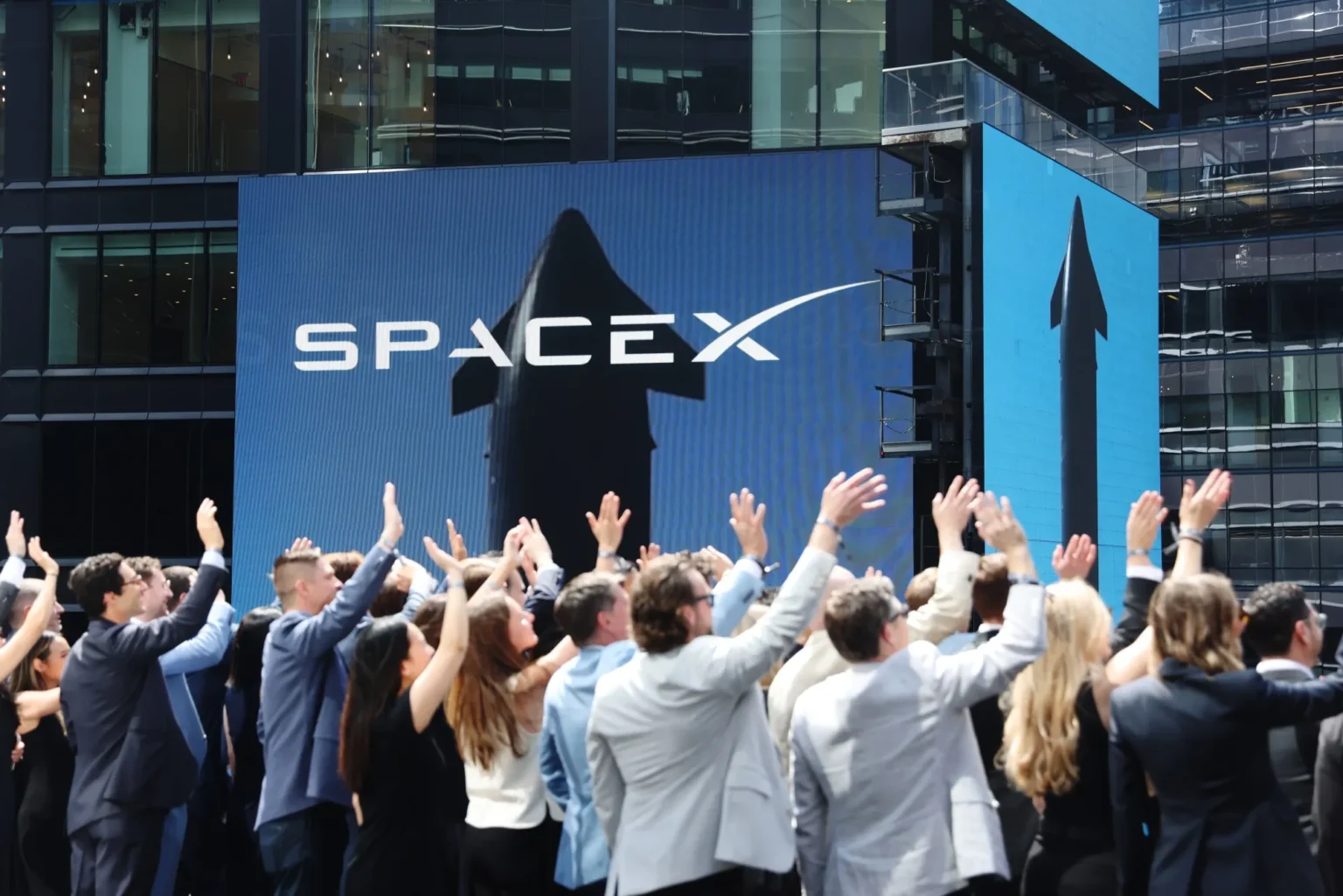
The SpaceX initial public offering was, by almost any measure, the hottest deal in market history. The company priced at a valuation of approximately $1.8 trillion, with institutional demand so overwhelming that the retail allocation was trimmed from an expected 30% down to the low 20s. Shares under the ticker SPCX gained 19% intraday on their first trading day. For most investors, it was the hardest ticket to obtain since Google’s Dutch auction in 2004. For Mirae Asset Securities, one of the deal’s formal underwriters, it was a public catastrophe. YourDailyAnalysis dissects what went wrong at Mirae in specific terms. The Seoul-based brokerage was named as an underwriter for the SpaceX IPO – a position that, in any conventional deal, entitles the firm to receive a share allocation from the issuer. Mirae offered access to those anticipated shares to select clients registered as professional investors, running a private placement process parallel to the public offering. When SpaceX finalized allocations, Mirae received zero shares. Clients who had been told they would receive access to the world’s biggest IPO were left with nothing. Co-CEOs Kim Mi-seob and Heo Sun-ho issued a formal apology letter acknowledging the failure and indicating the firm would consider financial compensation for those affected. The letter, reviewed by multiple news organizations, represents an extraordinary public admission for one of South Korea’s largest brokerages.
South Korea’s Financial Supervisory Service expanded its inspection of Mirae Asset Securities to examine how the firm’s underwriter status translated into no allocation. The FSS was already conducting a separate inspection of Mirae before the SpaceX debacle; expanding scope signals the regulator views the IPO failure as connected to whatever it was already examining. This is not a contained, single-issue inquiry. It is a rolling probe that now encompasses the firm’s underwriting practices, client communication standards, and handling of high-demand allocations across the board. Exchange-traded funds in South Korea tied to the space sector had been building positions in anticipation of the SpaceX listing. The Kospi fell more than 5% on June 5 – Korea’s “Black Friday” – as foreign investors accelerated withdrawals. The SpaceX allocation gap landed on top of already raw market nerves. YourDailyAnalysis spots a second possible reading that is less flattering to Mirae: the firm may have over-promised to clients based on its underwriter title without adequately verifying that the title guaranteed shares.
There is a counter-argument. SpaceX allocated retail shares directly through E*Trade and Bank of America’s wealth management network. The 20%+ retail slice amounted to roughly $22.5 billion. Getting shares was genuinely difficult even for qualified institutions. SpaceX reported a $4.9 billion loss last year against $18 billion in revenue – up from $14 billion the prior year – with growth driven almost entirely by the Starlink satellite network. Earlier in 2026, SpaceX merged with Elon Musk’s xAI, further complicating the income picture. The company’s governance structure gives public shareholders minimal influence over capital allocation or strategic direction – a known risk that institutional buyers priced in. The demand was never in doubt. Analysts at Your Daily Analysis pick apart the asymmetry as the core regulatory exposure: promising access to a deal the firm ultimately could not deliver is potentially a conduct-of-business issue under Korean securities law.
The FSS inquiry will determine whether Mirae violated disclosure obligations when it offered the private placement to professional clients. The compensation question is the most consequential near-term variable. If Mirae agrees to compensate affected investors at SPCX’s first-day closing price, the financial exposure is substantial – the stock gained roughly 19% on listing day. If the firm disputes compensation, regulatory proceedings will drag through the remainder of the year. YourDailyAnalysis spells out the calendar: FSS formal findings are expected within 60 days of the expanded inspection order. Whether Mirae’s share price – already down 1.34% on the news – continues to fall will signal whether the market views this as a contained compliance failure or a broader credibility problem for the firm’s underwriting franchise.