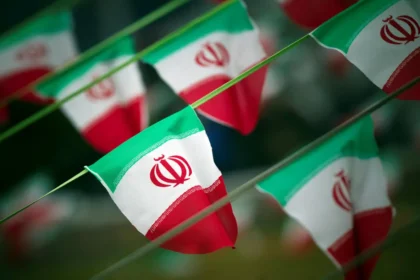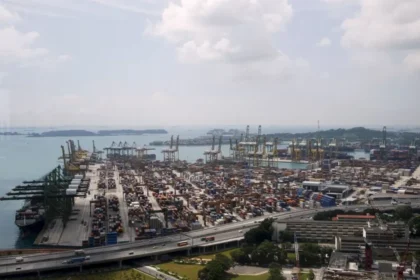


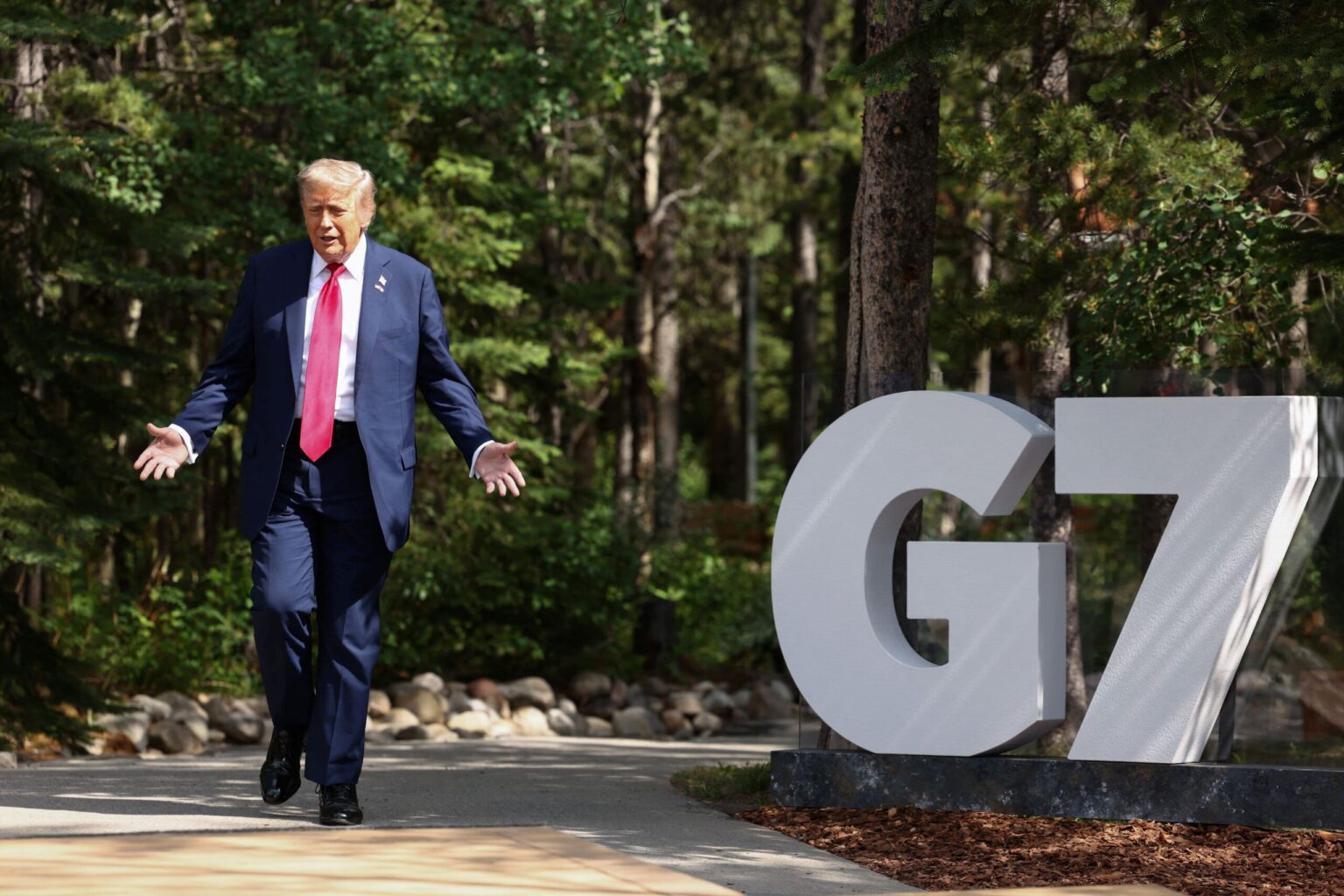
Start with the raw geography. The spa resort of Évian-les-Bains, on France’s eastern border with Switzerland, is hosting a G7 summit unlike any in recent memory. World leaders are converging just days after the United States and Iran signed a memorandum of understanding to end a four-month war that rattled global energy markets and shut down one of the planet’s most critical shipping corridors. The optics are deliberate. Emmanuel Macron, who holds the G7 presidency this year, picked Évian with an agenda: reduce global economic imbalances, tighten control over AI, and now steward a fragile Middle East peace through its first diplomatic test.
YourDailyAnalysis frames the Évian summit as simultaneously the best and worst moment for multilateral diplomacy. Best, because the Iran deal gives G7 leaders a rare shared win to consolidate. Worst, because that win came entirely on Trump’s terms – a bilateral U.S.-Iran memorandum negotiated outside any G7 framework, brokered by Pakistan’s Prime Minister Shehbaz Sharif, and signed before Macron’s guests touched down in France. What Macron can do is steer the conversation toward what happens next: lasting reopening of the Strait of Hormuz, verification of Iran’s nuclear and ballistic commitments, and reconstruction aid for Lebanon. He spelled out exactly those priorities in his opening remarks.
There is an uncomfortable subplot running through the summit the formal agenda does not name directly. Trump arrived having skipped the last day of last year’s G7 in Canada, leaving European partners to issue a Ukraine support statement without Washington. This year, Ukrainian President Volodymyr Zelenskyy will join a working session on Tuesday. Zelenskyy posted Sunday that his phone call with Trump had been “very good,” endorsing Trump’s reading that Russia’s seizure of Crimea in 2014 was the root cause of the current war. The Zelenskyy-Trump alignment on the Crimea narrative is a signal worth watching: it narrows the rhetorical gap between Washington and Kyiv on war origins, a prerequisite for any negotiated settlement.
Victor Cha, president of the Geopolitics and Foreign Policy Department at the Center for Strategic and International Studies, told reporters there could be “real fireworks” on AI at Évian. Europe wants to regulate Big Tech on energy and environmental grounds; the Trump administration has opposed aggressive regulation of the sector. Macron invited OpenAI chief Sam Altman to participate directly in G7 working sessions. Position that against the Iran deal backdrop: Macron is running two tracks at once, managing Trump’s Middle East preferences while pushing back on U.S. technology governance posture. YourDailyAnalysis unpacks the AI subplot as the summit’s sleeper issue. Energy-hungry data centers and the semiconductor supply chain contest are now directly linked to the same Middle East stability question dominating the summit’s headline agenda. Hormuz carries liquefied natural gas powering cooling plants from India to Japan.
The base case is that Évian produces a communiqué endorsing the U.S.-Iran MOU, pledging G7 support for Hormuz normalization, and reaffirming aid to Ukraine without a binding military commitment Washington would block. Macron said explicitly that the summit should produce an energy-resilience working group focused on diversifying routes away from the Strait. Whether that survives Trump’s attention span is a different question. The team at Your Daily Analysis measures the summit’s real success metric not in the communiqué language but in whether Zelenskyy leaves Évian with any concrete signal on the weapons and financial guarantees Ukraine needs to sustain its position.
YourDailyAnalysis closes on one forward marker: watch the Hormuz reopening timeline. Iran claimed it could restore normal transit within a month of a peace deal. Prediction market traders give that roughly 38% odds by July 1. If Macron secures a G7 statement with a credible verification mechanism attached to the MOU, those odds move. If the summit dissolves into bilateral sideshows without a unified position on Hormuz enforcement, the peace deal remains a headline without operational weight. Three days in Évian. The world is watching what emerges from the communiqué, not just the press conferences.