



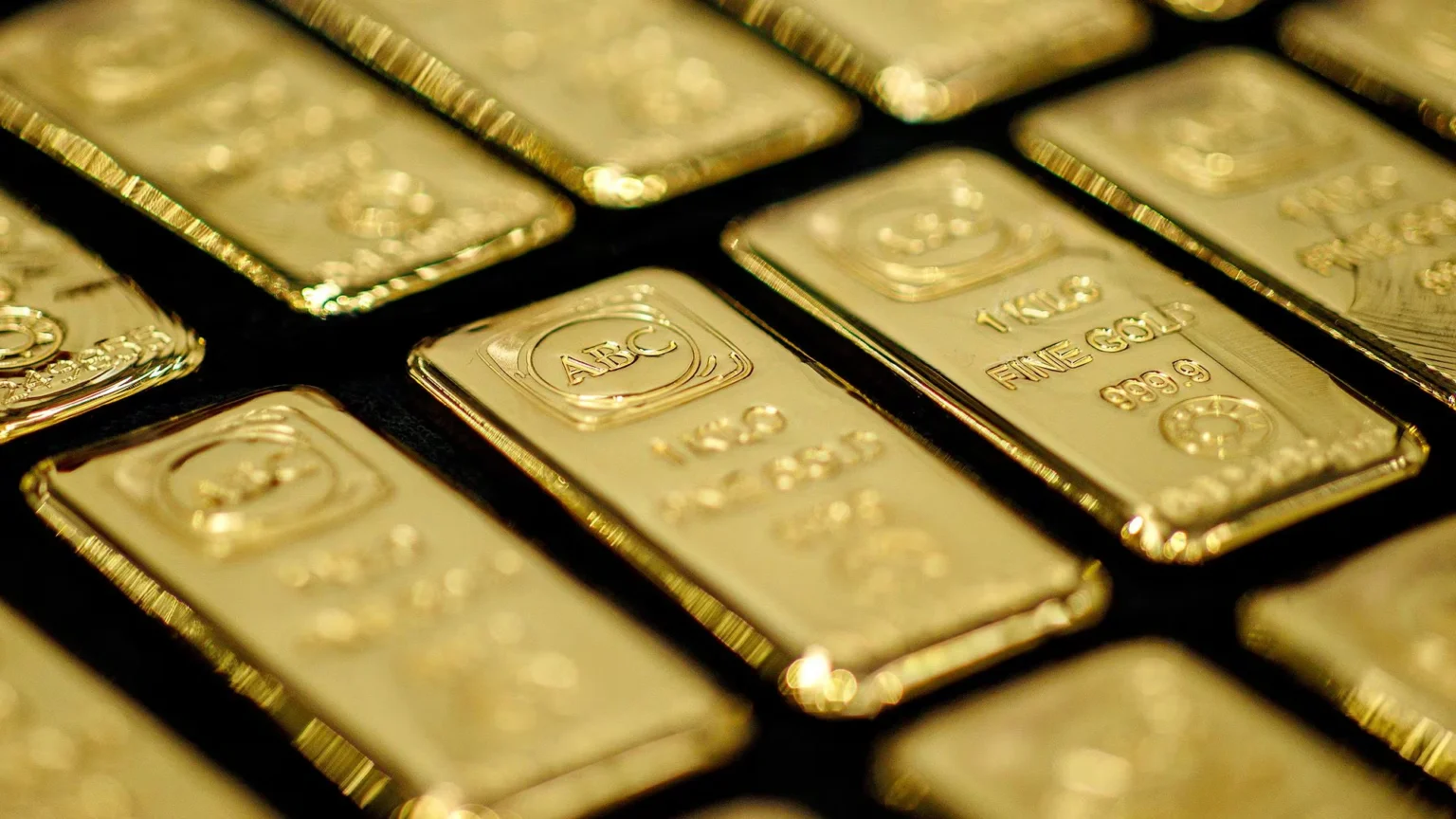
Gold’s performance in 2025 marks a structural moment rather than a cyclical anomaly. With prices posting their strongest annual gain since the late 1970s, the metal has transitioned from a tactical hedge into a broader signal of confidence erosion across monetary, fiscal and geopolitical systems. In the assessment followed by YourDailyAnalysis, this rally is best understood not as a reaction to a single shock, but as the cumulative repricing of uncertainty across multiple dimensions of the global economy.
The first pillar of the move has been expectations around monetary policy. As markets increasingly price a lower and less predictable path for U.S. interest rates, the opportunity cost of holding non-yielding assets has fallen materially. More importantly, real rates have become less reliable anchors for long-term capital allocation. Gold has historically responded not to the absolute level of rates, but to the credibility of the policy framework behind them. In 2025, that credibility has been repeatedly questioned, reinforcing demand for assets perceived as policy-independent.
Geopolitics has supplied a second, more persistent layer of support. Unlike past episodes where conflict-driven demand faded quickly, the current environment is defined by overlapping and unresolved tensions. The result has been a sustained premium for assets that function as insurance rather than short-term trades. YourDailyAnalysis views this persistence as critical: markets are no longer pricing isolated risks, but a prolonged period of fragmentation in trade, security and financial relations.
Central bank behaviour has been the most structurally important driver. Official sector gold purchases have remained elevated for several consecutive years, fundamentally altering the demand base. This wave differs from previous reserve diversification cycles in that it is motivated less by return optimisation and more by strategic insulation from geopolitical and sanctions risk. When reserve managers prioritise neutrality and portability over yield, price sensitivity declines. That shift has provided gold with a durable floor that speculative flows alone could not sustain.
China’s role within this trend has carried particular signalling value. The steady increase in the share of gold within its reserve composition has been interpreted by markets as part of a broader effort to reduce exposure to dollar-centric assets. While this does not imply an imminent displacement of the dollar, it does suggest a recalibration of reserve preferences among a subset of large economies. From the perspective of YourDailyAnalysis, this adjustment reinforces gold’s status as a parallel reserve asset rather than a relic of past monetary systems.
Currency dynamics have acted as an amplifier rather than a root cause. Periods of dollar weakness have increased gold’s accessibility for non-U.S. investors, accelerating an already established trend. This interaction highlights an important asymmetry: gold no longer depends on a sustained dollar decline to perform, but dollar softness can materially accelerate upside when other conditions are aligned.
The rally has also broadened across the precious metals complex. Silver, platinum and palladium have posted outsized gains, reflecting both spillover from gold and their greater sensitivity to industrial demand narratives. This breadth confirms the strength of the underlying trend, but it also introduces higher volatility. In such phases, momentum-driven positioning tends to exaggerate both advances and corrections, particularly in thinner markets.
Looking ahead to 2026, the base case is not a continuation of straight-line gains, but a regime in which gold remains structurally supported while exhibiting higher volatility. A sharp reversal would likely require a decisive rise in real yields combined with renewed confidence in fiscal and monetary coordination – conditions that currently appear distant. Conversely, continued central bank accumulation and unresolved geopolitical risk would argue for sustained strategic demand even if prices consolidate.
For investors, the implications are nuanced. Gold is increasingly relevant as a long-term portfolio stabiliser rather than a short-term trade. Tactical exposure at elevated levels carries obvious drawdown risk, but abandoning strategic allocations altogether ignores the deeper forces reshaping demand. The defining lesson of 2025, as interpreted by Your Daily Analysis, is that gold’s role has evolved: it now reflects not episodic fear, but a reassessment of systemic trust. As long as that reassessment continues, gold will remain a central reference point in global asset allocation decisions.