


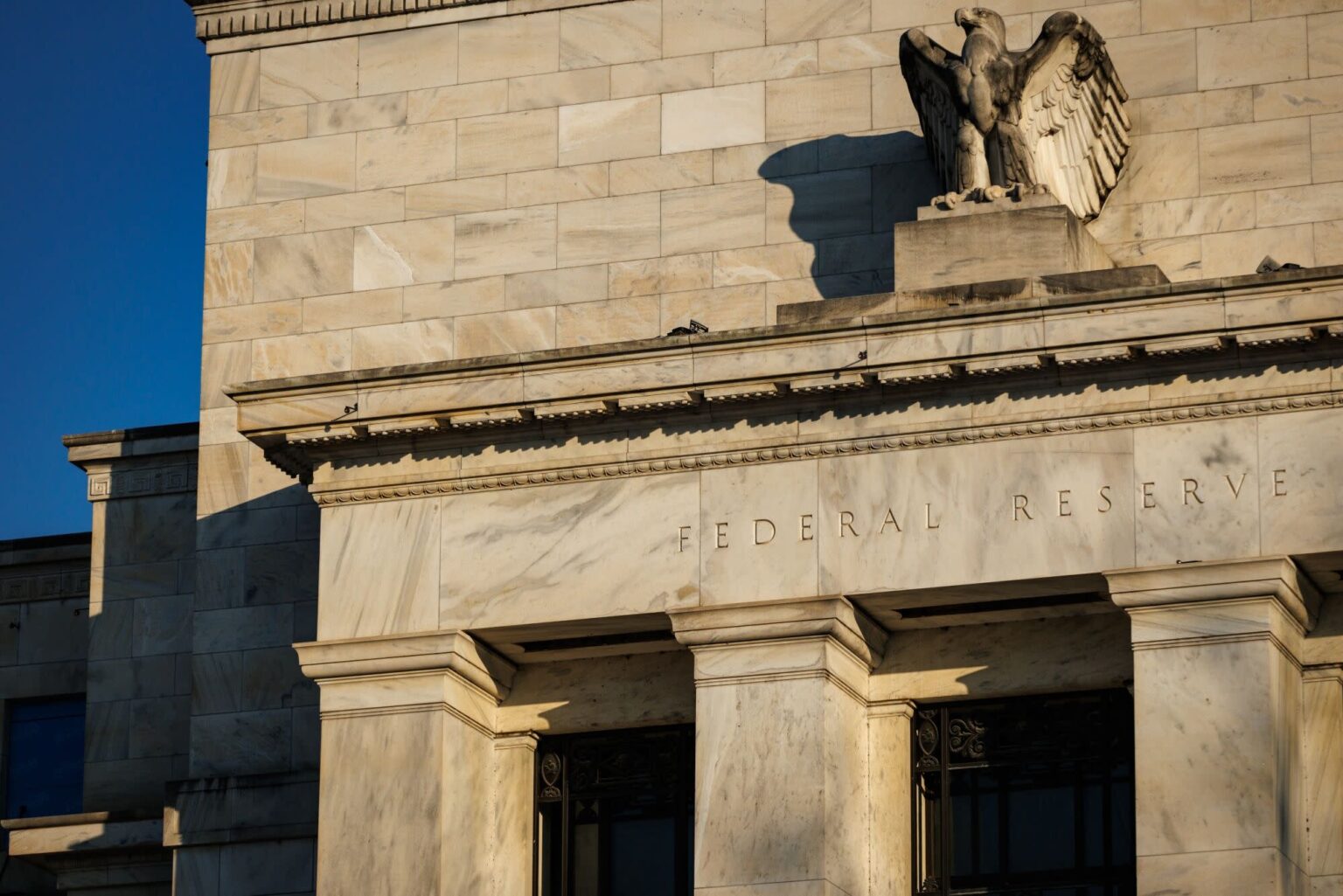
The Federal Reserve has shifted into a more cautious posture, signaling that further rate cuts are no longer the baseline expectation. Minutes from the January 27–28 meeting reveal a committee increasingly focused on inflation persistence rather than labor market weakness. While no immediate tightening was signaled, the tone marked a clear departure from the easing bias that dominated late 2025.
At its core, the discussion reflects a recalibration of risk assessment. Most Federal Open Market Committee participants concluded that downside risks to employment had diminished, while the risk of stubborn inflation remained elevated. The policy rate was held in the 3.5%–3.75% range, but language acknowledging rising labor market risks – present in prior statements – was removed. That rhetorical adjustment carries signaling weight for markets. YourDailyAnalysis interprets the shift as a reputational safeguard. After years of scrutiny over delayed inflation response during the post-pandemic cycle, the Fed is unlikely to jeopardize credibility by easing prematurely. Several participants warned that additional accommodation amid elevated inflation could undermine commitment to the 2% target. In central banking, anchoring expectations is often as critical as the policy move itself.
Recent economic data complicate the outlook but do not materially contradict the Fed’s caution. Consumer price inflation moderated in January, aided by lower energy costs, while core measures rose broadly in line with expectations. At the same time, labor market conditions strengthened, with payroll gains of 130,000 and unemployment easing to 4.3%. These figures suggest continued economic resilience without clear disinflation momentum.
YourDailyAnalysis notes that such a data mix favors patience. The economy is neither overheating nor deteriorating sharply. Growth remains stable, employment trends are solid, and inflation, while improving, has not convincingly returned to target. In this context, the probability of an immediate rate cut declines unless disinflation accelerates materially.
The political overlay adds complexity. President Donald Trump has advocated for lower rates and nominated Kevin Warsh to succeed Jerome Powell upon the expiration of Powell’s term. Warsh, a former Fed governor, has historically emphasized inflation discipline. If confirmed, he may face the dual challenge of maintaining institutional independence while navigating political expectations.
Market pricing reflects this tension. Futures contracts continue to imply a possible rate cut by mid-year, though conviction has softened. The “higher for longer” narrative is regaining traction as investors reassess inflation stickiness and global growth stability. From a strategic perspective, Your Daily Analysis views the Fed’s posture as defensive but not restrictive. The committee is preserving optionality rather than signaling a tightening cycle. The likelihood of rate hikes remains low under current conditions, yet policymakers appear unwilling to pre-commit to easing absent clear evidence of sustained disinflation.
Looking ahead, the trajectory of core inflation and wage growth will determine policy direction. Should price pressures prove more persistent than anticipated, the Fed may extend its holding pattern. If inflation moderates decisively and labor conditions soften, measured cuts could resume later in the year.
In conclusion, YourDailyAnalysis assesses the January minutes as confirmation of a transition from easing bias to data-dependent neutrality. The Federal Reserve is balancing macroeconomic stability, credibility and political crosscurrents. Markets should prepare for a policy environment defined less by rapid shifts and more by calibrated patience.