



Oil markets have entered a phase where price movements reflect not just geopolitical headlines, but conflicting expectations about supply disruption and potential de-escalation. After a sharp monthly rally, WTI stabilized near $104 per barrel, while Brent held above $107, following one of the strongest gains in years. At this stage, as YourDailyAnalysis outlines, the market is no longer reacting to isolated events – it is attempting to price a complex mix of physical shortages, political signals, and logistical uncertainty.
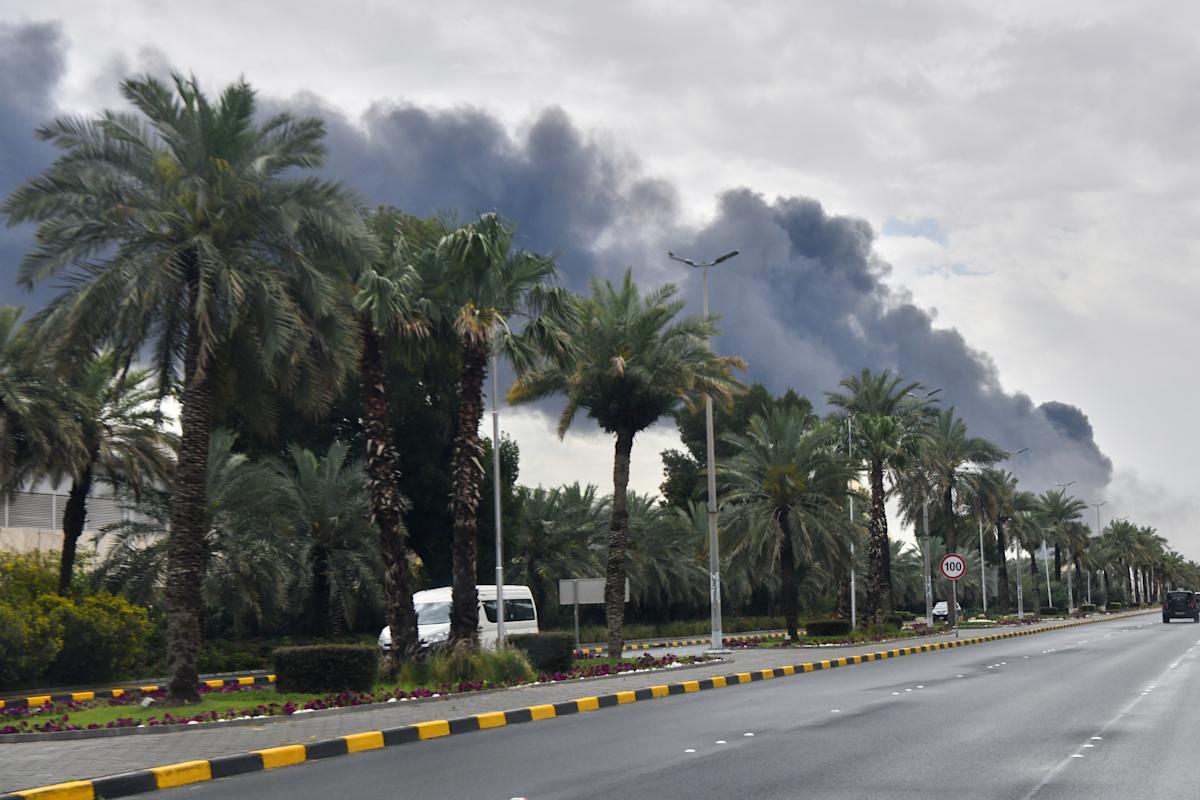
The latest drone strike on a Kuwaiti tanker near Dubai reinforces the immediacy of the risk. This was not a theoretical disruption but a direct hit on energy infrastructure. Even without large-scale damage, such incidents reshape behavior across the entire supply chain – from insurance costs to shipping routes and trade flows. In this environment, the risk premium increasingly reflects operational danger, not just strategic uncertainty.
At the same time, signals from Washington have introduced a new layer of complexity. Reports suggesting that the U.S. may end military operations without fully reopening the Strait of Hormuz create a paradox. While this may appear as de-escalation, it does not guarantee a normalization of energy flows. According to YourDailyAnalysis, the market faces a scenario where geopolitical tension could ease while supply constraints persist, keeping prices structurally elevated. The importance of the Strait of Hormuz remains central to this dynamic. A significant share of global oil and gas flows through this corridor, and any disruption has immediate global implications. Even partial restrictions affect supply chains across multiple regions. This explains why prices have remained resilient despite shifting political narratives.
The scale of recent price gains also adds to market sensitivity. Oil has risen more than 50% over the month, pushing the market into a position where even minor changes in expectations can trigger sharp reversals. Rapid upward moves tend to increase volatility, as positioning becomes crowded and more reactive to news flow. At the macro level, the impact extends beyond energy markets. Higher oil prices are feeding into inflation expectations, affecting consumer costs and complicating central bank policy decisions. As emphasized in YourDailyAnalysis, oil is now acting as a transmission channel between geopolitical risk and broader financial conditions, influencing interest rate expectations and growth outlooks.
Another critical factor is the potential expansion of disruptions beyond Hormuz. Attacks linked to regional actors raise concerns about alternative shipping routes, including those in the Red Sea. If these routes also face instability, the market could shift from a localized disruption to a broader supply shock. Policy messaging from the U.S. remains inconsistent, further amplifying volatility. On one hand, there are indications of a desire to limit the duration of the conflict. On the other, officials continue to signal readiness to secure the strait through military or multinational measures. This dual messaging complicates market interpretation and sustains a higher level of uncertainty.
At the same time, underlying supply constraints are becoming more visible. Reports of significant daily supply gaps and declining inventories suggest that the market is operating with reduced buffers. In such conditions, even small disruptions can have outsized price effects. YourDailyAnalysis notes that the market increasingly reflects physical tightness rather than purely speculative positioning.
Taken together, the current environment reflects a market balancing two competing narratives. On one side, there is the possibility of a political resolution. On the other, there is the reality of disrupted logistics and constrained supply. As outlined by analysts, the absence of a clear resolution keeps both forces active, preventing a stable price direction.
In the near term, volatility is likely to remain elevated. Prices may react sharply to any signals of diplomatic progress, but sustained declines would require clear evidence of restored shipping flows and reduced operational risk. Over a longer horizon, the key variable will be whether supply chains can return to predictable functioning. The broader implication is that oil markets have shifted into a structurally more fragile state. As Your Daily Analysis underscores, the focus has moved beyond whether the conflict will end, toward how lasting its impact on global energy logistics will be.