


A sharp shift in global trade flows is becoming increasingly visible as Vietnam records a rapidly expanding trade surplus with the United States. According to the latest U.S. data, Vietnam posted the largest goods trade surplus with the U.S. in January, surpassing Mexico, Taiwan and China. Analysts at YourDailyAnalysis note that this development reflects a deeper structural transformation in global supply chains rather than a short-term statistical anomaly.
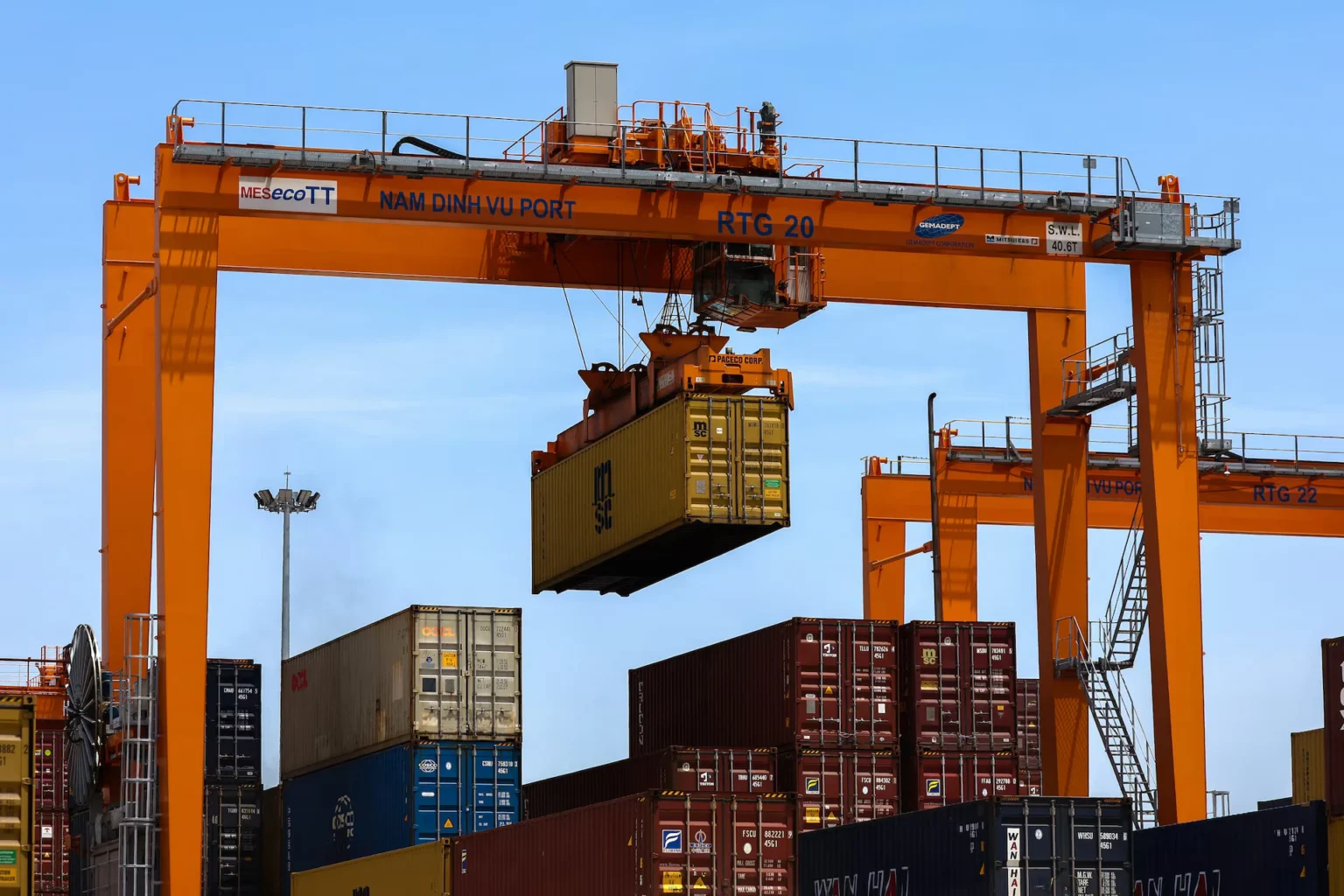
In January alone, Vietnam’s trade surplus with the United States reached approximately $19 billion. Vietnamese exports to the U.S. surged more than 50% year-over-year to exceed $20 billion, while direct imports from China declined sharply over the same period. YourDailyAnalysis emphasizes that this divergence highlights a significant redistribution of manufacturing activity away from China toward alternative production hubs across Southeast Asia.
The shift has been building for several years. Vietnam’s surplus with the United States has been steadily expanding since tariff tensions between Washington and Beijing intensified. By the second quarter of 2025, Vietnam’s surplus had already surpassed China’s on several occasions, and for the full year it reached roughly $178 billion. From our perspective, this trend suggests that tariff policies aimed at limiting Chinese exports have not eliminated the underlying imbalance in U.S. trade, but rather redirected it geographically.
A key element behind Vietnam’s export surge is the parallel rise in its imports from China. Vietnamese trade data shows that shipments of Chinese intermediate goods into Vietnam have climbed to record levels, particularly components used in electronics, machinery and consumer products. Analysts at YourDailyAnalysis argue that this pattern strengthens concerns in Washington that some goods reaching the U.S. market may incorporate substantial Chinese inputs before being re-exported under Vietnamese origin labels.
These concerns have fueled ongoing accusations from U.S. officials that Vietnam is functioning as a transshipment hub for Chinese products seeking to avoid higher American tariffs. While U.S. regulations impose additional duties on goods determined to be improperly transshipped, the criteria for identifying such cases remain somewhat ambiguous. This legal uncertainty complicates compliance for multinational companies operating across regional supply chains.
The political dimension of the issue is becoming increasingly significant. Washington and Hanoi have been negotiating a potential trade agreement for months, but progress has been limited due to disagreements over tariffs and the size of the bilateral trade imbalance. Analysts at YourDailyAnalysis suggest that Vietnam’s rapid export growth is beginning to transform the country from a strategic alternative to China into a potential trade friction point in its own right.
Recent policy developments reinforce this possibility. U.S. authorities have initiated new investigations into several trading partners, including Vietnam, over potential unfair trade practices and industrial overcapacity. From the viewpoint of analysts, these investigations signal that the United States may be preparing a broader strategy targeting countries benefiting from the relocation of global manufacturing.
The tariff environment itself has also become more complex. After a court ruling challenged earlier global tariffs introduced by the Trump administration, Washington implemented a temporary 10% global tariff while maintaining specific duties on selected imports. YourDailyAnalysis observes that this evolving policy framework is creating considerable uncertainty for exporters and multinational manufacturers attempting to plan long-term supply chain investments.
Despite these political pressures, Vietnam continues to benefit from structural advantages that attract international manufacturers. Competitive labor costs, expanding industrial infrastructure and active government support for export industries have allowed the country to capture production in sectors such as electronics assembly, apparel, furniture and consumer goods.
At the same time, Your Daily Analysis highlights a growing strategic dilemma. The more Vietnam benefits from the “China+1” manufacturing strategy adopted by global companies, the more visible its trade surplus with the United States becomes. This visibility increases the likelihood that Vietnam itself may eventually face stricter trade scrutiny or additional tariffs.
Looking at the broader picture, the transformation unfolding across Asia illustrates how global supply chains are adapting to geopolitical pressures. Instead of eliminating dependence on Chinese manufacturing entirely, many companies are building multi-country production networks that distribute different stages of manufacturing across the region.
YourDailyAnalysis concludes that Vietnam will likely remain a central node in this evolving supply chain architecture. However, the sustainability of its export boom will depend heavily on how effectively Hanoi manages its trade relationship with Washington. If Vietnam strengthens transparency around product origin and expands imports from the United States, it may reduce political pressure. If tensions escalate, the country could face new tariff risks despite its growing role in global manufacturing.