


Apple’s latest move in China reflects a strategic adjustment rather than a routine pricing tweak. By lowering its App Store commission from 30% to 25%, the company is responding to mounting regulatory pressure in one of its most important markets. This step suggests Apple is prioritizing long-term market access over short-term margin preservation. YourDailyAnalysis notes that the commission cut follows direct engagement with Chinese regulators and applies across iOS and iPadOS starting mid-March. In our view, such preemptive concessions typically signal that regulatory risks have escalated to a point where resistance becomes more costly than compromise.
However, the response from Chinese state-linked media indicates that this move may not fully resolve tensions. Calls for further adjustments – particularly around platform openness and “monopolistic practices” – suggest that regulators are targeting deeper structural changes rather than just pricing.
Tensions with domestic tech giants remain another layer of pressure. Longstanding friction with companies like Tencent and ByteDance reflects a broader conflict over control of payments and digital ecosystems within iOS. This is not a temporary disagreement but a structural competition over platform power. YourDailyAnalysis highlights that Apple is facing similar regulatory scrutiny globally, including in Europe where it has already been forced to loosen control over payment systems. However, China presents a more complex case due to its regulatory environment and strategic importance, increasing the likelihood of further concessions.
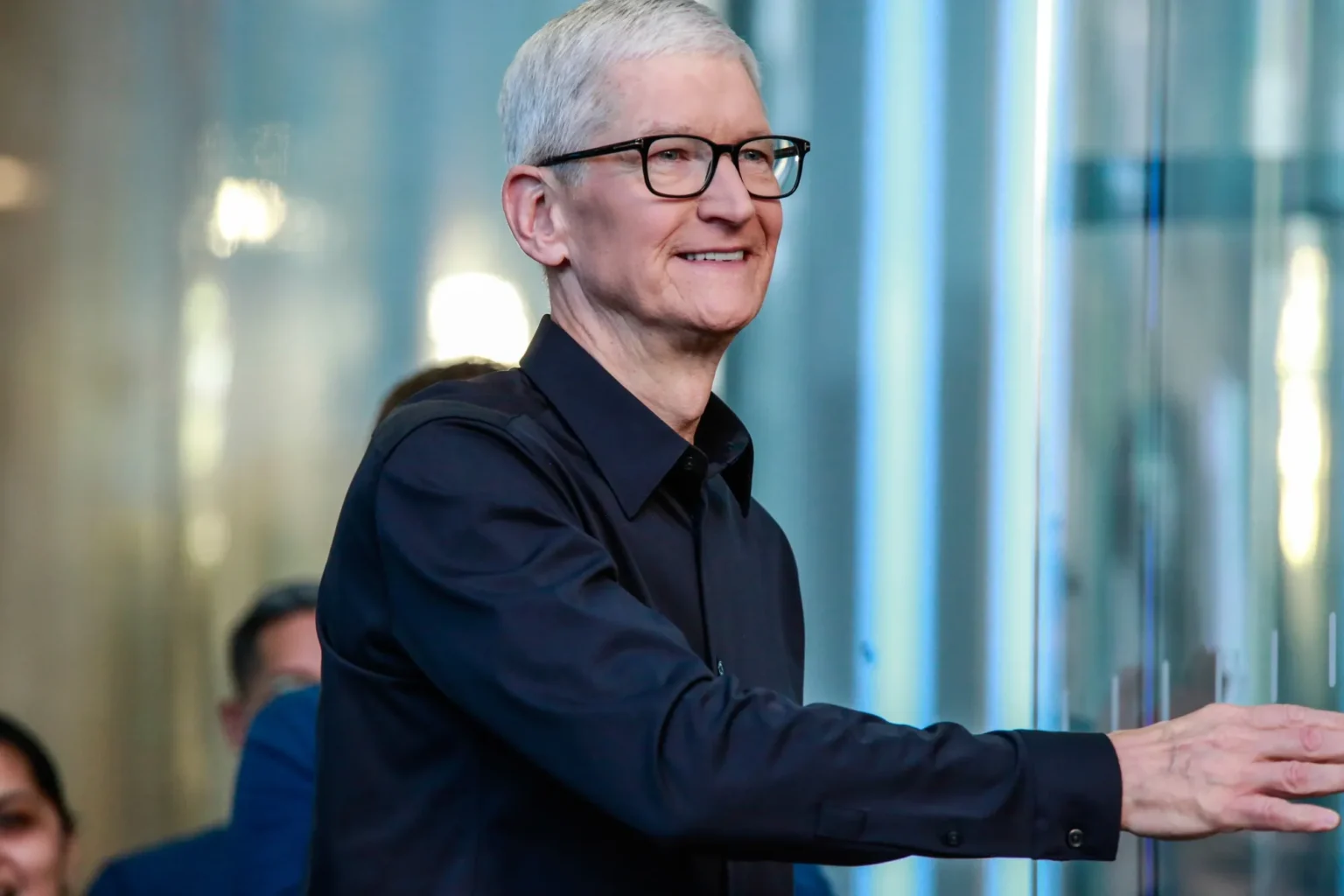
From a market perspective, lower commissions could benefit developers and potentially reduce costs for consumers. At the same time, this shift aligns with broader policy goals to strengthen domestic digital ecosystems and reduce dependence on foreign-controlled platforms. Apple’s leadership response also plays a role. CEO Tim Cook’s visit to China shortly after the announcement signals an effort to reinforce cooperation and maintain political alignment. This suggests Apple is actively managing not just regulatory risk, but also perception. Your Daily Analysis suggests that future pressure may focus on third-party payments and external purchase links – areas that could significantly impact Apple’s long-term revenue model. In our assessment, these potential changes carry far greater implications than the current fee reduction.
In conclusion, Apple’s move represents a calculated concession aimed at stabilizing its position in China while avoiding direct regulatory confrontation. YourDailyAnalysis underscores that this is likely an early step in a broader negotiation process rather than a final resolution. From a forward-looking perspective, we expect gradual adjustments rather than abrupt disruption. The key variables to watch include regulatory messaging, changes to payment rules, and Apple’s willingness to further adapt its ecosystem. In this environment, flexibility will be critical to maintaining its foothold in the Chinese market.